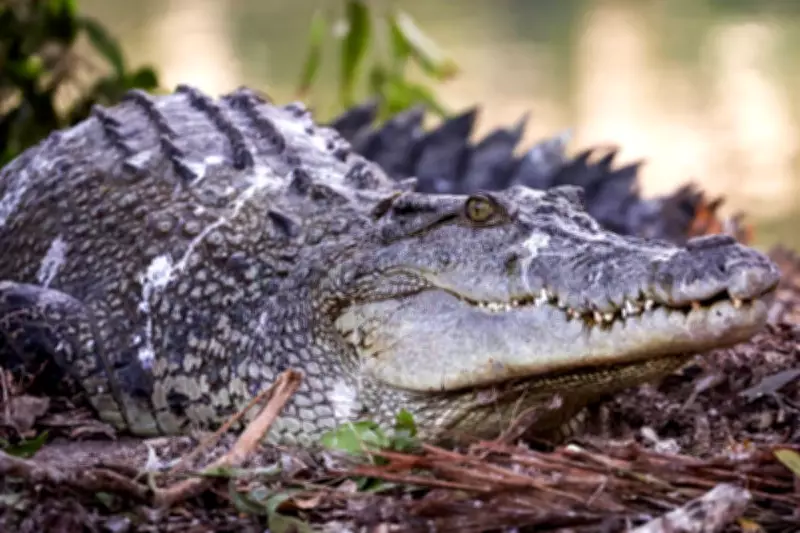
Recent crocodile sightings in floodwaters across the Northern Territory have prompted widespread concern among residents and authorities. The increased presence of crocodiles in unusual areas, particularly in Katherine and along the Daly River, is attributed to the highest floods recorded in 30 years, which are enabling these reptiles to access new habitats. This situation does not indicate an overall increase in crocodile numbers but rather a temporary shift due to environmental conditions.
Species and Risks in the Northern Territory
The Northern Territory is home to two distinct crocodile species: freshwater crocodiles, commonly known as 'freshies', and saltwater crocodiles, referred to as 'salties'. Freshwater crocodiles are generally harmless to humans, while saltwater crocodiles are large, predatory, and pose a significant threat. Most crocodiles sighted in Katherine are likely freshies, but salties are also present, making the area a potential hazard.
High-Risk Areas and Safety Precautions
The Daly River area is considered particularly high-risk due to its established population of dangerous saltwater crocodiles. Authorities urge residents to be 'crocwise' by avoiding all contact with floodwaters. It is essential to treat any flooded waterway in the Top End as potentially containing saltwater crocodiles, as these predators can move into new territories during floods.

Safety measures include staying away from riverbanks, not swimming in flood-affected areas, and reporting any sightings to local wildlife services. The recent sightings highlight the need for heightened awareness, especially during extreme weather events that alter natural habitats.
While the floods have not led to an increase in crocodile populations, they have temporarily expanded the range of these animals, posing new challenges for community safety. Ongoing monitoring and public education are crucial to mitigate risks and ensure residents remain vigilant in flood-prone regions.