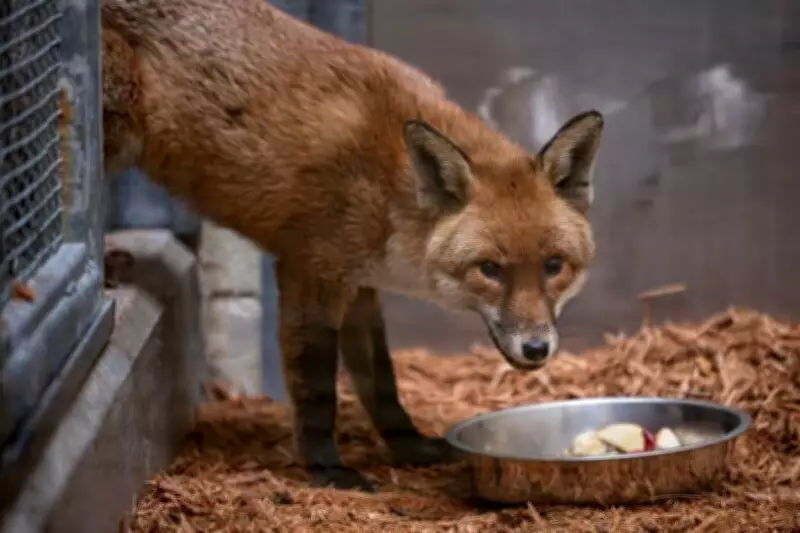
A red fox has embarked on a remarkable transatlantic adventure, stowing away on a cargo ship departing from Southampton, England, and arriving in New York, where it was found and subsequently transferred to the Bronx Zoo for rehabilitation and observation.
Discovery and Health Assessment
The 11-pound (5-kilogram) male fox, estimated to be around two years old, was discovered at the Port of New York and New Jersey on 18 February after boarding the automobile-laden vessel in Southampton on 4 February. Initial health examinations conducted by the Bronx Zoo have confirmed that the fox appears to be in good condition, showing resilience despite the arduous journey.
Keith Lovett, the zoo's director of animal programmes, commented on the fox's adaptability, stating: "He seems to be settling in well. It’s gone through a lot." The fox is currently housed in the zoo's veterinary centre, where it is receiving ongoing care and monitoring.

Mystery Surrounding the Journey
The exact circumstances of how the fox managed to board the cargo ship in Southampton and how it was later discovered in New York remain unclear. Zoo representatives have indicated that they are awaiting further details from government agencies to piece together the full story of this unusual stowaway incident.
This species, formally known as Vulpes vulpes, is widely distributed across Europe, Asia, North America, and parts of Africa, making its presence in New York less surprising from a biological standpoint, though the method of arrival is highly unusual.
Diet and Future Plans
As an omnivore, the fox's diet at the zoo includes a variety of foods such as produce, proteins, and specially formulated biscuit-like items to ensure proper nutrition. Once the fox completes additional health screenings and is deemed fully healthy, the zoo will seek a suitable long-term home for it, potentially within a controlled environment or wildlife sanctuary.
This incident highlights the unexpected ways wildlife can traverse global boundaries, often facilitated by human transportation networks, and underscores the importance of vigilant monitoring and care for animals found in such extraordinary circumstances.