Frogspawn Makes a Joyful Return to a Hand-Built Pond
In a touching testament to nature's resilience and the power of personal conservation, frogspawn has been spotted once again in a small pond that was constructed by hand with a father many years ago. This annual event, which had been absent for some time, has returned, bringing not only ecological hope but also a deep sense of personal fulfillment and connection to the past.
A Legacy of Environmental Stewardship
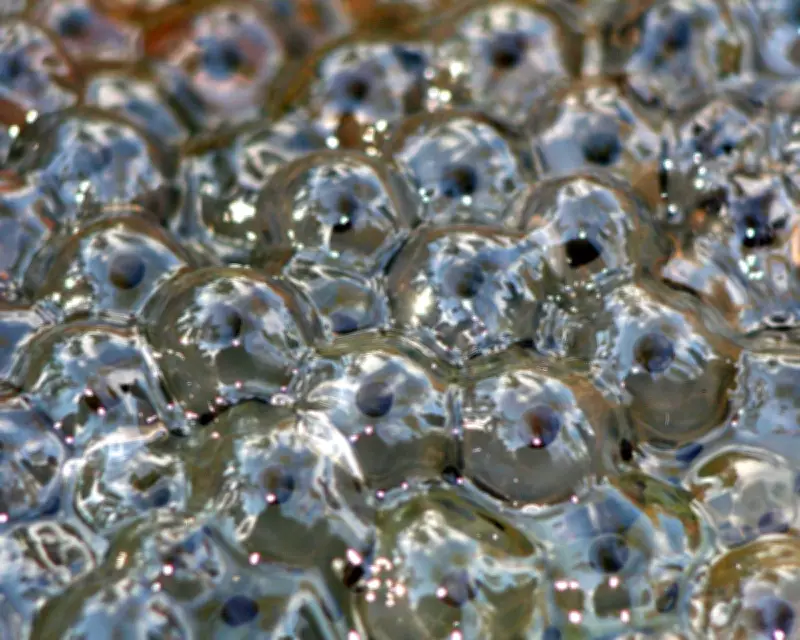
The pond was originally built as a collaborative project between a parent and child, designed to create a habitat for local amphibians and other wildlife. Over the years, it faced challenges such as fluctuating water levels and invasive species, which led to a decline in frog populations and the disappearance of frogspawn. However, recent efforts to maintain and restore the pond have paid off, with the sight of clusters of jelly-like eggs signaling a successful revival.
This return is more than just a biological occurrence; it symbolizes the enduring impact of hands-on environmental care. Experts note that small-scale projects like this can play a crucial role in supporting biodiversity, especially in urban or suburban areas where natural habitats are often fragmented. The pond now serves as a micro-ecosystem, attracting not only frogs but also insects, birds, and plants, creating a vibrant local environment.

Conservation Insights and Broader Implications
The reappearance of frogspawn highlights several key points for conservationists and the general public. Firstly, it underscores the importance of patience and persistence in environmental restoration. Even minor interventions, when sustained over time, can lead to significant ecological benefits. Secondly, it demonstrates how personal actions, such as building and maintaining a pond, can contribute to larger conservation goals, fostering a sense of community and responsibility toward nature.
Moreover, this event serves as a reminder of the delicate balance within ecosystems. Frogs are often considered indicator species, meaning their health reflects the overall condition of their environment. The return of frogspawn suggests improvements in water quality and habitat stability, which bodes well for other wildlife in the area. It also aligns with broader environmental trends, where grassroots initiatives are gaining recognition for their role in combating biodiversity loss and climate change.
Emotional and Educational Dimensions
Beyond its ecological significance, the return of frogspawn carries profound emotional weight. For the individual who built the pond with their father, it evokes memories of shared labor and learning, reinforcing the bond between generations. This personal story resonates with many who engage in similar projects, highlighting how environmental stewardship can be intertwined with family heritage and education.
In educational terms, such occurrences provide valuable lessons for schools and community groups. They offer tangible examples of life cycles, habitat management, and the impacts of human activity on nature. By observing the frogspawn's development into tadpoles and eventually adult frogs, people of all ages can gain a deeper appreciation for wildlife and the importance of conservation efforts.
In conclusion, the return of frogspawn to this hand-built pond is a small but powerful victory for local conservation. It celebrates the rewards of dedicated environmental care, the strength of familial bonds, and the hope that even modest actions can make a difference in preserving our natural world for future generations.