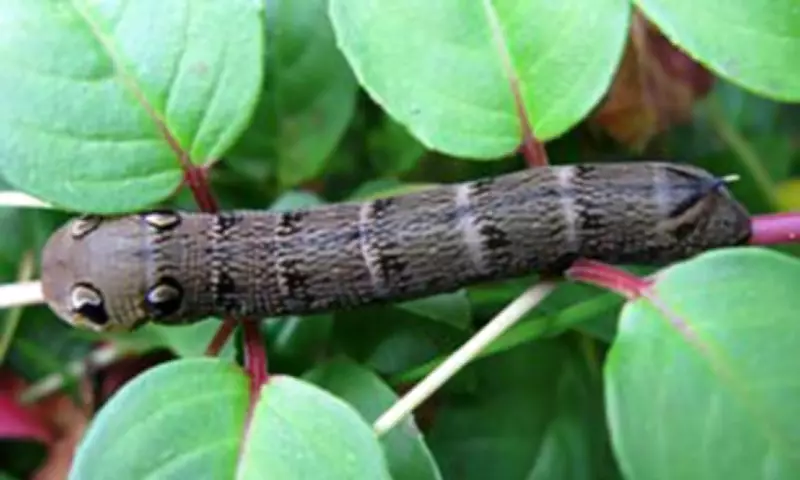
Conservation experts are issuing a surprising plea to gardeners across Britain this spring: embrace the 'very hungry caterpillars' feasting on your plants. This counterintuitive advice comes as moth populations, which these caterpillars mature into, have suffered a dramatic decline of approximately one-third since the 1960s.
A Critical Decline in Moth Numbers
Moths, essential pollinators in the ecosystem, are facing severe challenges from climate change, pervasive pollution, and the increasing urbanisation of the British landscape. In response, the Royal Horticultural Society (RHS) and The Wildlife Trusts have launched a campaign encouraging households with gardens to tolerate the nibbling of their plants by caterpillars. The goal is to provide these larvae with the necessary energy to grow plump and successfully transform into moths, thereby boosting their dwindling numbers.
Practical Steps for Gardeners
The organisations recommend allowing caterpillars to feed on both ornamental plants and vegetable crops. Additionally, they advise planting caterpillar-friendly species such as willow, honeysuckle, foxgloves, and marjoram to create a supportive habitat. This initiative follows previous campaigns that encouraged people to be more accepting of slugs and snails in their gardens.

Helen Bostock, RHS Senior Wildlife Expert, emphasised: 'Moths have long played second fiddle to butterflies in the garden but understanding their value and needs, and that of their very hungry caterpillars, can support their recovery and help in creating a garden rich in biodiversity.'
The Fascinating World of Moths and Caterpillars
While some moth caterpillars are generalist feeders, others are highly selective, consuming only one or a few specific plant species. Intriguingly, some adult moths do not eat at all, relying entirely on the reserves accumulated during their caterpillar stage. Caterpillars exhibit remarkable adaptations for survival; some are so minute they reside within plant leaves, while others are camouflaged to resemble twigs, bark, or even bird droppings.
The campaign also suggests creating a 'night-time nectar bar' with plants that bloom at dusk, such as sweet rocket, tobacco plants (nicotiana), jasmine, and white campion. This provides essential nourishment for the hundreds of nocturnal moth species. Although most moths are active at night, around 150 species are diurnal, including strikingly coloured varieties like the pink and olive-green elephant hawk moths and the vividly marked Jersey tiger moths with their red, cream, and black patterns.
Vicki Hird, insect expert at The Wildlife Trusts, stated: 'Moths are stunning in name and beautiful by nature. It's no wonder the French call moths 'butterflies of the night'. Even little brown moths can have wonderful, intricate markings. Let's all help them in our gardens and enjoy the benefits they bring.'
Ecological Importance and Broader Context
Moths play a crucial ecological role, serving as a vital food source for birds, bats, and other wildlife. Their presence is also a valuable indicator of environmental health. The campaign's website underscores this, noting: 'Moths are important pollinators, a vital food source for other wildlife and a valuable indicator of the health of their environment. Sadly, many of our moths are struggling. The good news is, you can help!'
Gardens and balconies can become havens for both adult moths and their caterpillars. Providing a variety of flowers for nectar throughout the year is a positive start, but the campaign stresses that truly supporting moth populations requires catering to their caterpillars. This involves planting native trees and shrubs that support a wide range of caterpillar species and being willing to share garden favourites. As the campaign highlights, a few holes in leaves should be viewed as a sign of ecological success, not gardening failure.

Scientific Insights into Caterpillar Behaviour
Recent research adds another layer to our understanding of these creatures. A study from Carleton University in Canada revealed that certain caterpillar species can emit cries when threatened by predators. This sound is produced when air is forced through a constriction in their guts, similar to the mechanism in a tea kettle, with the noise being loudest near their mouths. Scientists remain puzzled about how air enters their upper guts, as caterpillars lack lungs and typically intake air through openings called spiracles.
Caterpillars are predominantly herbivores, though some species consume insects or even other caterpillars. Known for their voracious appetites, they continuously shed their skin as they grow. A specialised body part in their gut helps regulate potassium levels, enabling them to consume large quantities of food. Many moth species are most recognised in their caterpillar stage due to their impact on fruits and crops. Beyond their ecological roles, caterpillars are also valuable as a source of silk for humans and as a food source for various animals.