Ken Henry Champions National Wildlife Rescue Funding Amid Climate Crisis
Former Treasury secretary Ken Henry is spearheading a significant push for the federal government to introduce robust national regulations and funding for wildlife protection, as Australia's biodiversity faces escalating threats from climate-induced disasters. This call to action comes as volunteer-led rescue organisations are overwhelmed by the soaring number of animals in distress due to bushfires, floods, and habitat destruction.
Volunteers Overwhelmed as Wildlife Crisis Deepens
In the last financial year alone, volunteers responded to more than 320,000 calls for assistance concerning sick, injured, or orphaned wildlife. This staggering figure included nearly 130,000 rescue operations and veterinary assessments for 51,000 injured animals. The demand is primarily driven by climate change and rampant habitat destruction, placing immense strain on underfunded charities and dedicated volunteers.
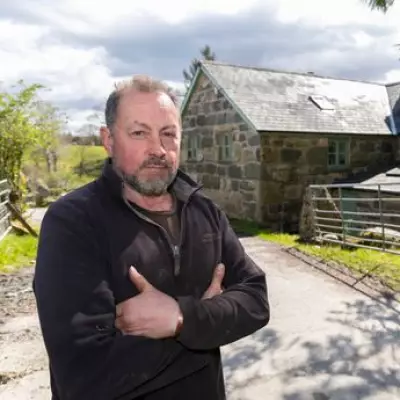
Ken Henry, now chair of Wildlife Recovery Australia, emphasised the critical gap in governmental support. "There's a huge gap at both federal and state level," Henry stated. "As a consequence of these pressures, more and more animals are getting in harm's way. When they get in harm's way, governments take very little interest. So it is left to volunteers to pick up the pieces and get those animals back into the wild."

Proposal for Standardised National Protection
Henry is advocating for the Albanese government to standardise rescue, treatment, and rehabilitation processes across all states and territories. This initiative aims to coordinate the currently patchy wildlife protection efforts at a national level, forming part of a broader strategy to reverse Australia's alarming biodiversity decline.
The proposal includes government funding for services such as veterinary treatment and long-term rehabilitation, which are largely dependent on volunteer efforts today. Henry highlighted that practising veterinarians in states like New South Wales are legally obligated to treat injured wildlife without any compensation, underscoring the urgent need for systemic change.
"We need to have a good hard look at what's going on here. We need a national approach," Henry asserted. He pointed out that governments have a prime opportunity to demonstrate leadership, especially with heightened community awareness due to the climate crisis and recent natural disasters.
Recent Legislative Changes and Future Steps
This push follows the Labor government's major overhaul of the Environment Protection and Biodiversity Conservation (EPBC) Act in November, inspired by businessman Graeme Samuel's 2020 review. The revised legislation aims to enhance nature protection through new environmental standards, expedited project assessments, and the establishment of a new environmental protection agency. Additionally, it will subject native forest logging to national environment standards within the next eighteen months.
Environment Minister Murray Watt has recently opened recruitment for the inaugural head of the Environmental Protection Agency, which is scheduled to commence operations in July. These developments signal a shift towards more robust environmental governance, yet advocates argue that specific funding for wildlife rescue remains a pressing unmet need.
Voices from the Frontlines of Wildlife Rescue
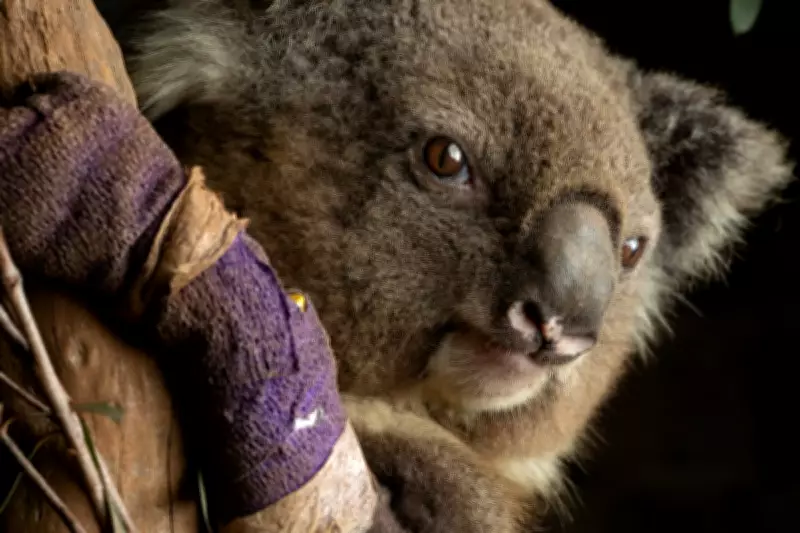
Lisa Palma, Chief Executive of Wildlife Victoria, echoed Henry's sentiments, stating, "Wildlife is a national asset, yet the responsibility to care for injured animals falls almost entirely on underfunded charities and volunteers." She emphasised that national leadership is crucial for protecting vulnerable species, including endangered koalas.
Dean Huxley of the Western Australian animal rescue group WA Wildlife warned that the volunteer workforce has reached a critical tipping point. "Government investment is not a luxury item any more, it is essential. Without it there is a real risk that injured wildlife will soon have nowhere to go and that is something the community would not accept if it were widely understood."

The federal budget, due on 12 May, presents a pivotal opportunity for the government to allocate necessary funds. As Australia grapples with the escalating impacts of climate change, the call for a coordinated, nationally funded approach to wildlife rescue has never been more urgent, with advocates like Ken Henry leading the charge to safeguard the nation's precious biodiversity for future generations.