Kneeling by the Forth River: How Tiny Insects Reveal Water Health Secrets
I wish I had worn kneepads. But then, I had not imagined that a riverfly monitoring survey would require this much genuflection. Like followers of an undine creed, we kneel on the riverbank, bent over the secrets of the Forth River in Ligoniel, north Belfast. What is her message? How do we understand it?
The Survey Team and Their Mission
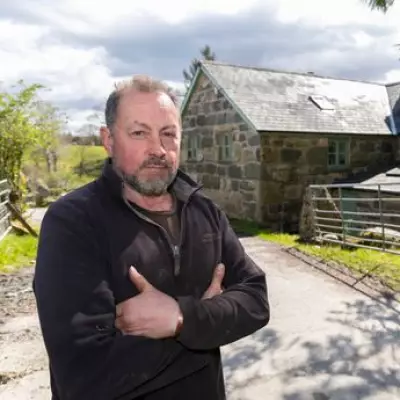
With me are Patricia Deeney and Geoff Newell, conservation officers from the Belfast Hills Partnership, an environmental charity. We are in a wooded glen below Wolf Hill, close to the former mill village of Ligoniel. Like many community groups and angling clubs, the Belfast Hills Partnership uses the riverfly survey, a citizen science protocol, to monitor local rivers.
Riverflies, such as mayflies, spend the majority of their lives as aquatic larvae. Because their presence, along with other invertebrates, serves as an indicator of a river's water quality, the Northern Ireland Environment Agency makes good use of the surveys conducted by the Belfast Hills Partnership.

The Sampling Process: A Delicate Operation
Patricia is collecting a sample through kick-sampling and hand-searching, performed in timed intervals. After disturbing the river's substrate with her wellied feet, she nets the material that clouds up through the water. Then, she rubs down stones from the sample area into her bucket, dislodging anything that might have clung on. We use plastic spoons to transfer the tiny creatures into subdivided trays for identification and counting. Hence, our contemplative pose and rapt focus are essential.
Identifying the Invertebrates: A World in Miniature
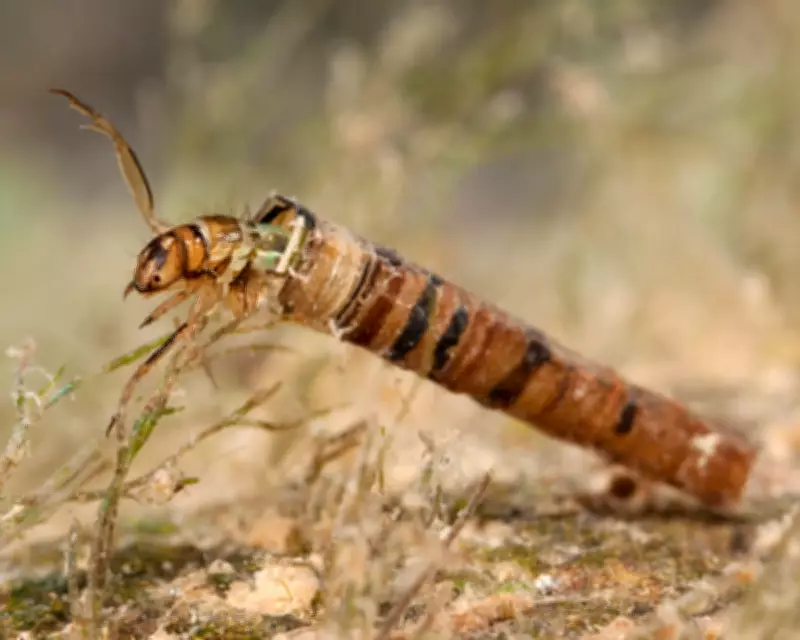
At first, all I see is a blur of segmented bodies, gauzy gills, legs, antennae, and tails. Pulling my attention away from a Gammarus – a diminutive crustacean that tears around like a stock car on a racing circuit – I concentrate on the tails. Three tails denote the larva of an up-wing fly (Ephemeroptera), a varied group that includes mayflies; two tails denote a stonefly larva.
Caddisflies come in cased or caseless forms. Caseless larvae are naked, but cased larvae are cloaked with grit and debris woven together using threads of silk. I stare at what looks like a crusted pellet of mud, waiting for the larva's antennae to emerge.
Interpreting the Data and Final Rituals
Geoff shows me how to interpret the information gathered. The different species and their abundance combine into a composite score. Grateful for a good score today – and to finally stand up – we collect our equipment. Now, a final ritual: we pour the Forth's messengers back into the water, ensuring their continued role in monitoring the river's health.