Massive Crocodile Captured in Newcastle Creek, Australia
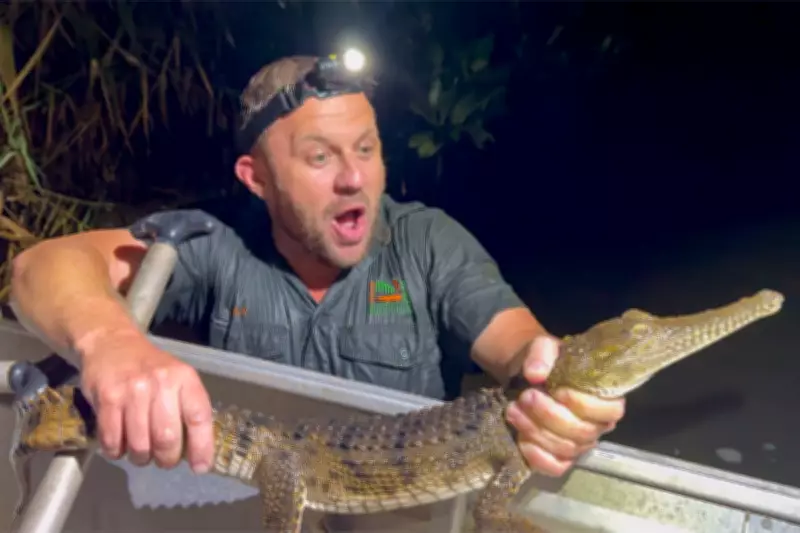
In a startling incident that has captured public attention, a large saltwater crocodile was successfully captured in a creek located in Newcastle, Australia. The event, which occurred recently, has sparked significant concerns regarding wildlife safety in urban areas and prompted a rapid response from local authorities and wildlife experts.
Details of the Capture
The crocodile, estimated to be approximately 3.5 meters in length, was discovered in a creek within the Newcastle region, an area not typically associated with such dangerous wildlife. Authorities were alerted to the presence of the animal after multiple sightings were reported by residents, who expressed fears for public safety, particularly for children and pets in the vicinity.
A team of wildlife officers and emergency responders was swiftly deployed to the scene. Using specialized equipment and techniques, they managed to safely capture the crocodile without causing harm to the animal or any individuals involved. The operation was described as challenging due to the crocodile's size and the urban setting, but it was executed efficiently to minimize risk.

Safety Concerns and Public Reaction
The capture has raised alarms about the increasing presence of crocodiles in urban environments in Australia. Saltwater crocodiles, known for their aggressive nature and potential danger to humans, are more commonly found in northern regions such as Queensland and the Northern Territory. Their appearance in Newcastle, a city further south, has led to speculation about changing wildlife patterns, possibly influenced by factors like climate change or habitat loss.
Local residents have expressed relief at the successful capture but remain concerned about future incidents. Many have called for enhanced monitoring and safety measures in creeks and waterways around urban areas. Community meetings are being planned to address these worries and discuss strategies for preventing similar occurrences.
Authorities' Response and Next Steps
Following the capture, authorities have assured the public that the crocodile is being relocated to a suitable wildlife sanctuary or zoo, where it will be cared for and kept away from populated areas. They emphasized that this incident is rare for the Newcastle region but highlighted the importance of vigilance and reporting any unusual wildlife sightings promptly.
Wildlife experts are conducting investigations to determine how the crocodile ended up in the creek. Initial theories suggest it may have traveled from nearby habitats or been displaced due to environmental changes. Authorities are also reviewing existing protocols for handling such situations to ensure a swift and effective response in the future.
Broader Implications for Urban Wildlife Management
This event underscores the broader challenges of managing wildlife in urban settings, especially as human populations expand into natural habitats. It serves as a reminder of the need for balanced conservation efforts and public safety initiatives. Experts recommend increased education for communities on coexisting with wildlife and implementing early warning systems in vulnerable areas.
In conclusion, the capture of the crocodile in Newcastle Creek has not only resolved an immediate safety threat but also sparked important conversations about urban wildlife management in Australia. As authorities continue to assess the situation, residents are urged to stay informed and report any concerns to help maintain a safe environment for all.