Pangolins: The World's Most Trafficked Mammals Face Extinction Crisis
Conservationists are urgently raising awareness about the plight of pangolins, the shy, scaly anteaters found in parts of Africa and Asia, as they mark World Pangolin Day. These unique creatures hold the grim distinction of being the most trafficked mammals globally, hunted relentlessly for their scales and meat.
Alarming Trafficking Statistics
According to a recent report by CITES, the global authority on endangered species trade, more than half a million pangolins were seized in anti-trafficking operations between 2016 and 2024. The World Wildlife Fund estimates that over a million pangolins have been taken from the wild in the last decade, including those never intercepted by authorities. This illegal trade is driven primarily by demand in China and other Asian regions, where pangolin scales are falsely believed to cure various ailments in traditional medicine.
Unique Biology and Defense Mechanisms
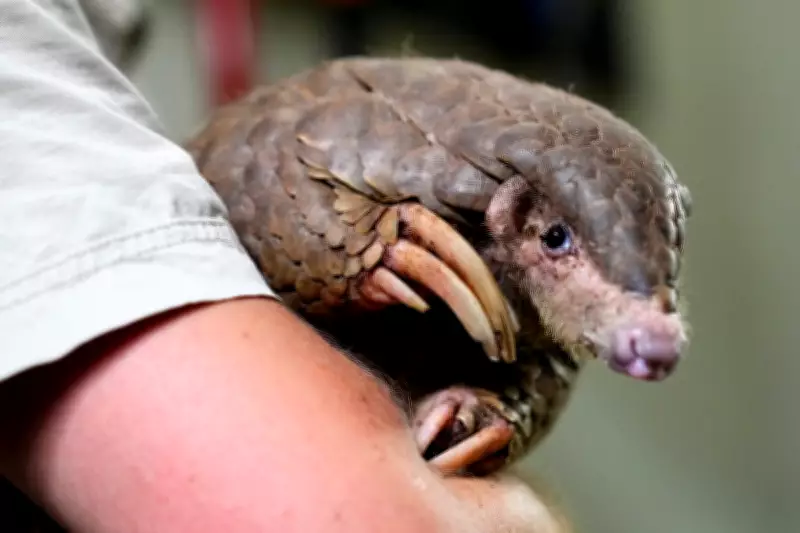
Pangolins are not related to anteaters or armadillos, despite their nickname. They are the only mammals completely covered in overlapping keratin scales, which provide a formidable defense by allowing them to roll into an armored ball. This natural protection deters predators like lions, but it is ineffective against human hunters. Their fascinating features include sticky tongues nearly as long as their bodies for catching ants and termites, yet they lack the conservation charisma of elephants or tigers.

Extinction Risks and Conservation Efforts
All eight pangolin species, four in Africa and four in Asia, face high to extremely high risks of extinction. While some reports suggest a slight decline in trafficking since the COVID-19 pandemic, poaching continues at alarming rates, particularly in Africa. Nigeria has emerged as a global hotspot, home to three African pangolin species.
Nigeria's Conservation Challenges
In Nigeria, Dr. Mark Ofua, a wildlife veterinarian and West Africa representative for Wild Africa, has dedicated over a decade to rescuing pangolins. He operates an animal rescue center and pangolin orphanage in Lagos, focusing on raising awareness among the country's 240 million people. His innovative approaches include a wildlife show for children and engaging celebrities with large social media followings to promote conservation campaigns.
Ofua's efforts highlight a critical issue: many Nigerians are unfamiliar with pangolins, hindering protection efforts. He recounted an incident where well-dressed young men mistook rescued pangolins for "baby dragons," underscoring the need for public education. "If people do not even know what a pangolin looks like, how do you protect them?" he remarked, emphasizing the dark side of this ignorance.
As conservationists push for greater recognition and action, the future of pangolins remains precarious, with their survival dependent on intensified global efforts to combat trafficking and raise awareness.