Perth's Endangered Banksia Woodlands Face Bulldozing Amid Flawed Offset Plans
Property developers in Perth are moving forward with plans to bulldoze an endangered banksia ecosystem that serves as critical habitat for threatened black cockatoo species. Conservationists and leading botanists have issued stark warnings that proposed environmental offsets are scientifically unsound and will fail to replicate the unique biodiversity of the cleared sites.
Developers Target Fragile Ecosystems for Housing
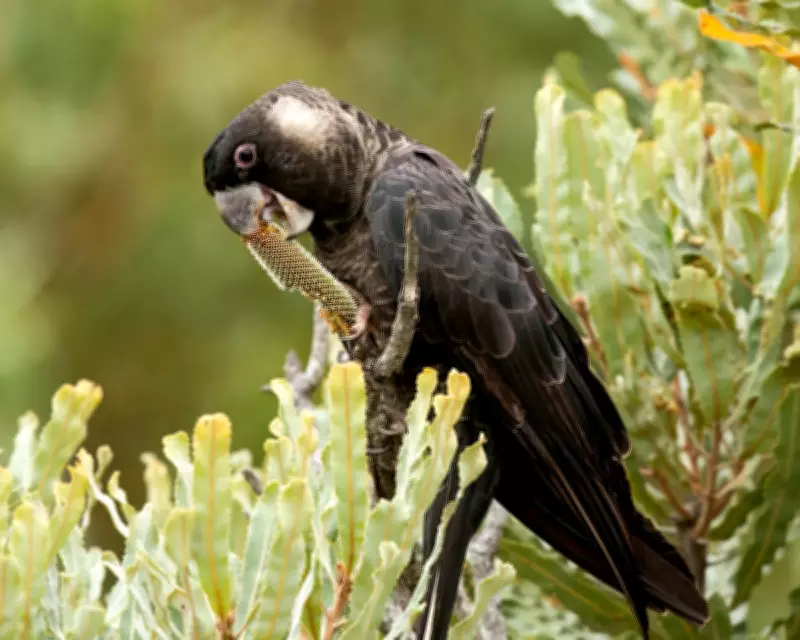
Three housing developments in Perth, two in the south and one in the north, are set to destroy banksia woodlands of the Swan coastal plain, a nationally significant ecosystem. This woodland is home to species including Baudin’s and Carnaby’s black cockatoos, both of which are threatened. The developers have submitted offset proposals through the environmental consultancy Emerge Associates, aiming to replant banksia ecosystems within protected tuart woodlands elsewhere in Perth.
However, Professor Kingsley Dixon, a restoration expert and national authority on banksia woodlands, expressed deep concerns about these plans. He stated that creating banksia woodlands from scratch within a different woodland type is effectively forcing one system into another and is unlikely to succeed. Dixon highlighted that after 40 years of restoration efforts across Perth, teams have been unable to recreate even one hectare of this complex ecosystem from scratch.

Scientific Flaws in Offset Proposals
The offset proposals involve attempting to establish banksia woodlands within tuart woodlands, which are themselves a critically endangered ecosystem. Dixon explained that tuart woodlands have incompatible soil and canopy types, making it impossible to support the same diverse banksia ecosystem being cleared. While a simplified version might exist, the intricate mix of herbaceous plants, flowering woody shrubs, native sedges, banksias, eucalypts, and associated fauna like honey possums and insect communities cannot be replicated.
Dixon drew a stark analogy: Would it be appropriate for the rare grasslands of New South Wales to be knocked over and to compensate you stick them into the Blue Mountains? He emphasized that this is not simple gardening but involves complex ecological balances that are not represented elsewhere.
Broader Concerns Over Biodiversity Offsetting
Biodiversity offsetting is intended to compensate for environmental damage by providing equal or greater benefits elsewhere, but it has been plagued by failures, including undelivered promises and inadequate compensation. Brendan Sydes, national biodiversity policy officer at the Australian Conservation Foundation, warned that offsets have become a tool to facilitate development at the expense of vulnerable species, rather than a last resort.
Sydes stated: These examples demonstrate that there’s an overreliance on offsets and an optimistic assumption about the ability to recreate ecosystems when in many cases the answer should be ‘no, don’t destroy the habitat’. He stressed that with so little of these ecosystems left, protection should be the priority.
Regulatory and Housing Pressures
Perth, like other Australian capital cities, is facing a housing crunch, with median prices surpassing $1 million. This pressure is driving developments that threaten already endangered ecosystems. One of the three housing developments has been approved by the federal environment department, with the other two under assessment. The approved project includes rigorous conditions for offset delivery and monitoring, according to a department spokesperson, who noted that offset policy does not prevent using publicly owned land.
A spokesperson for Emerge Associates pointed to public consultation processes for each development, with feedback reflected in assessment documentation. However, conservationists argue that the proposed offsets risk pushing banksia woodlands closer to critically endangered status, resulting in a net loss of biodiversity.

Future of Environmental Laws
Following recent amendments to Australia’s national environmental laws, detailed rules for offsets are being developed. Sydes emphasized the need for these rules to clamp down on inappropriate offset use and prevent them from acting as habitat destruction accelerators. The ongoing assessments of the two remaining developments will test the effectiveness of these regulatory frameworks in balancing development with conservation.