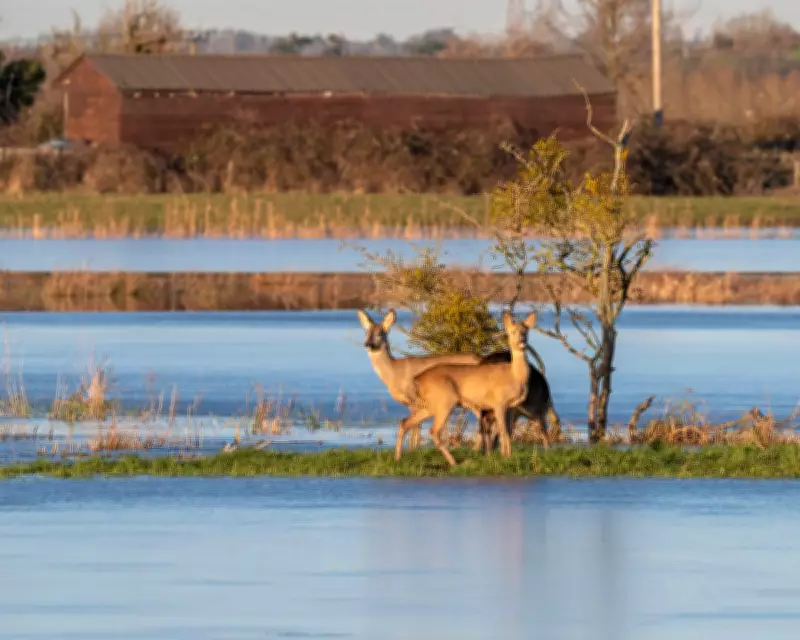
Extreme Flooding in Somerset Transforms Bird Populations
Recent extreme flooding events in Somerset have led to significant ecological shifts, particularly affecting local bird species. The inundation of vast areas has created new wetland environments, which have proven beneficial for some birds while posing severe challenges for others. This transformation highlights the complex interplay between climate-induced weather patterns and wildlife dynamics in the region.
Winners: Species Thriving in New Wetlands
Several bird species have emerged as winners in the aftermath of the flooding. Wading birds such as lapwings and snipe have found ideal conditions in the newly formed shallow waters and mudflats, which provide abundant feeding opportunities. These areas offer rich sources of invertebrates, crucial for their diet and breeding success. Additionally, ducks like teal and wigeon have seen population increases, as the expanded water bodies offer safe havens from predators and enhanced foraging grounds.
- Lapwings: Benefiting from open, wet fields for nesting.
- Snipe: Thriving in soft, muddy substrates for probing.
- Teal and Wigeon: Utilizing flooded grasslands for feeding and shelter.
Conservationists note that these changes could lead to long-term habitat gains for wetland-dependent species, potentially boosting biodiversity in Somerset if managed appropriately.

Losers: Species Facing Decline and Displacement
Conversely, the flooding has had detrimental effects on other bird populations. Ground-nesting birds, including skylarks and meadow pipits, have suffered significant losses as their nesting sites were submerged. The destruction of these habitats has led to reduced breeding success and forced many individuals to relocate to less suitable areas. Raptors such as kestrels have also been impacted, as the flooding reduces prey availability and disrupts hunting territories.
- Skylarks: Nesting grounds flooded, leading to population drops.
- Meadow Pipits: Displaced from traditional breeding sites.
- Kestrels: Facing food shortages due to altered ecosystems.
Experts warn that without intervention, these species could experience prolonged declines, threatening local ecological balance and highlighting the vulnerability of certain wildlife to extreme weather events.
Broader Implications for Conservation and Climate Policy
The situation in Somerset underscores the broader implications of climate change for wildlife conservation. Increased frequency of extreme flooding is expected to continue reshaping habitats, necessitating adaptive management strategies. Conservation efforts must now focus on creating resilient landscapes that can support both wetland and dryland species. This includes restoring natural floodplains and implementing measures to protect vulnerable bird populations from future inundations.
Policymakers and environmental groups are urged to consider these findings in climate adaptation plans, emphasizing the need for integrated approaches that address both human and ecological impacts. The Somerset case serves as a stark reminder of the interconnectedness of weather patterns, habitat changes, and biodiversity outcomes.