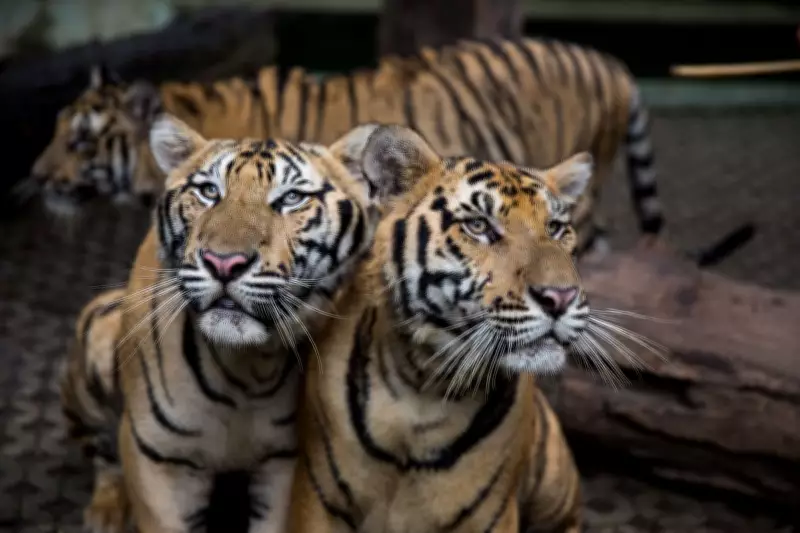
Thailand Scrambles to Contain Devastating Tiger Virus Outbreak
Thai officials are engaged in a critical race against time to contain a severe and deadly disease outbreak that has claimed the lives of at least seventy-two captive tigers at wildlife tourist parks in the northern province of Chiang Mai. The alarming situation was confirmed by authorities on Saturday, highlighting a major crisis for the country's captive big cat industry.
Outbreak Centered on Tourist Interaction Parks
The majority of the tiger fatalities were recorded at two privately operated animal parks known for allowing close visitor interactions: Tiger Kingdom Mae Taeng and Tiger Kingdom Mae Rim. According to an official timeline released by the regional Protected Area Office, a staggering fifty-one tigers perished at the Mae Taeng facility between February 8th and 19th, with an additional twenty-one deaths occurring at the Mae Rim park during the same period.
Preliminary laboratory tests conducted by livestock officials have identified the primary culprit as feline parvovirus, also known as feline panleukopenia. This highly contagious and often fatal disease aggressively attacks the digestive system and immune response, leading to severe symptoms including vomiting, bloody diarrhoea, high fever, lethargy, and a complete loss of appetite in infected animals.

Multiple Pathogens and Underlying Vulnerabilities
Veterinary teams from the Chiang Mai provincial livestock office performed autopsies which confirmed the presence of the parvovirus. Further laboratory analysis on samples from the carcasses also detected the presence of canine distemper virus (CDV) and Mycoplasma bacteria. Notably, no traces of influenza A, which causes bird flu, were found.
Canine distemper is another highly contagious virus that spreads through close contact, attacking the lungs, stomach, and sometimes the brain, proving frequently fatal in big cats. Mycoplasma is a bacterial infection that severely impacts the respiratory system, exacerbating conditions like pneumonia and breathing difficulties, particularly in animals with already compromised health.
Somchuan Ratanamungklanon, director-general of Thailand's department of livestock development, explained the unique challenges in treating tigers. "Treating sick tigers is very different from treating dogs and cats. Dogs and cats live closely with us, so when they show symptoms, we can respond and provide treatment right away. Tigers, however, aren't living closely with humans. By the time we notice that something is wrong, the illness may already be advanced," he told local media.
The department has also suggested that extensive inbreeding among the captive tiger populations may have critically weakened the animals' immune systems. This genetic vulnerability likely increased their susceptibility to infection and accelerated the rapid spread of the disease through the facilities.
Emergency Response and Animal Welfare Criticism
In response to the crisis, authorities have implemented several emergency measures:
- Temporarily closing Tiger Kingdom Mae Rim for a period of fourteen days.
- Restricting all access to both affected facilities.
- Deploying specialist teams to thoroughly disinfect all enclosures and equipment.
- Relocating all surviving tigers to designated quarantine and care centres in Mae Taeng district for intensive monitoring.
- Formulating plans to vaccinate healthy animals to prevent further viral spread.
Somchuan added that strict biosecurity and disinfection protocols are being enforced to limit transmission and reassured the public that the canine distemper virus does not pose a risk of infection to humans.
The tragedy has ignited fierce criticism from animal rights organisations. PETA Asia stated to AFP, "These tigers died the way they lived – in misery, confinement and fear." The group argued that tourist demand fuels such facilities, adding, "If tourists stayed away, these places would quickly become unprofitable, and tragedies like this would be far less likely to happen."

Historical Context of Captive Big Cat Disease
This is not Thailand's first encounter with devastating disease outbreaks in captive big cat populations. In 2004, during the spread of highly pathogenic avian influenza H5N1, at least 147 tigers at the Sriracha Tiger Zoo in Chonburi Province either died from infection or were euthanised in a desperate bid to contain the virus.
More recently, in 2024, dozens of captive tigers and other big cats died in Vietnam after contracting the H5N1 virus at privately operated zoos and safari parks, underscoring the ongoing regional risks associated with keeping large predators in captive, often crowded, conditions for tourism.