Weekly Wildlife Roundup: A Glimpse into Nature's Wonders
This week's wildlife highlights offer a captivating look at the diverse and often surprising encounters with animals across the globe. From the lush forests of Asia to the rolling hills of Europe and unexpected urban settings, these stories underscore the beauty and resilience of wildlife in our changing world.
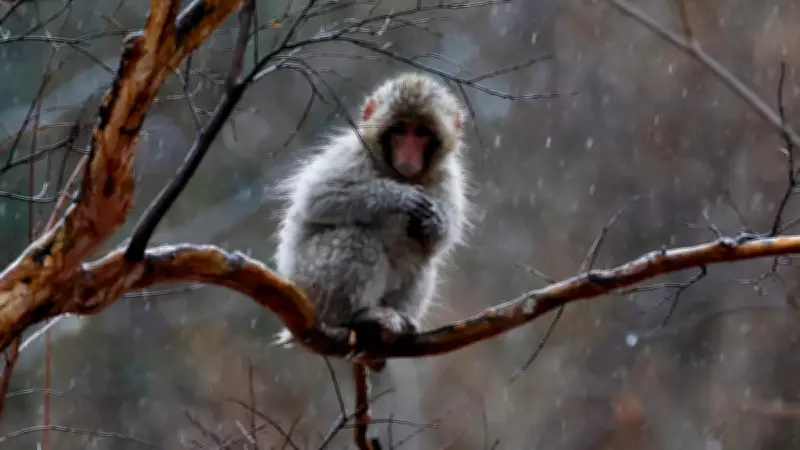
A Drenched Macaque in Asia
In a striking image from Asia, a macaque was captured completely soaked, likely after a heavy downpour or a dip in a water source. These intelligent primates, known for their social behaviors and adaptability, are often found in tropical regions. The wet fur and expressive face of this individual highlight the daily challenges and moments of life in the wild, reminding us of the delicate balance in natural habitats.
Four Little Pigs in Europe
Across Europe, a heartwarming scene unfolded with four little pigs, possibly wild boar piglets, spotted in a rural area. These young animals, with their playful antics and curious nature, represent the next generation of wildlife in the region. Their presence emphasizes the importance of conservation efforts to protect native species and maintain biodiversity, especially in agricultural landscapes where human-wildlife interactions are common.

A Stowaway Fox in an Urban Setting
In a more unusual tale, a fox was discovered as a stowaway in an urban environment, perhaps hiding in a vehicle or building. Foxes are highly adaptable creatures, often thriving in cities due to their cunning and resourcefulness. This incident sheds light on how wildlife increasingly navigates human-dominated spaces, raising questions about coexistence and the need for awareness in urban planning to support animal welfare.
Implications for Wildlife Conservation
These stories collectively underscore the ongoing interactions between humans and wildlife. As habitats face pressures from climate change, urbanization, and other factors, such encounters become more frequent. They serve as a call to action for enhanced conservation policies, public education, and sustainable practices to ensure that species like macaques, pigs, and foxes can thrive for generations to come.