NHS Hypertension Warning: Silent Symptoms and When to Seek Medical Help
Untreated high blood pressure can lead to severe health complications, including heart attacks and strokes. Recognising the red flags and understanding associated risk factors is crucial for reducing the risk of a health emergency. However, this is not always straightforward, as hypertension often presents with no symptoms at all.
Understanding High Blood Pressure Symptoms
While high blood pressure may occasionally cause symptoms such as blurred vision, chest pain, and headaches, these are rare. In fact, many individuals with hypertension display no symptoms whatsoever. This means that diagnosis can only be confirmed through a medical examination, making regular check-ups essential.
The NHS advises that high blood pressure is particularly common in older adults and outlines eight key risk factors that can increase your likelihood of developing it, even in the absence of symptoms. These include:

- Age: The risk increases as you get older.
- Family history: Having close relatives with high blood pressure.
- Ethnicity: Higher risk for those with Black African, Black Caribbean, or South Asian backgrounds.
- Unhealthy diet: Especially one high in salt.
- Being overweight.
- Smoking.
- Excessive alcohol consumption.
- Long-term stress.
When to See a GP or Pharmacy
The NHS urges people who suspect they have or might be at risk of hypertension to get checked at a GP or pharmacy. This is particularly important for anyone aged 40 or older who has not had a blood pressure check in over five years. The official NHS website states: "High blood pressure (also called hypertension) can lead to serious problems like heart attacks or strokes. But lifestyle changes and blood pressure medicines can help you stay healthy."
If you frequently experience headaches, blurred vision, intermittent chest pain, or other potential symptoms of high blood pressure, seeking help from NHS 111 is advised. However, the NHS emphasises calling 999 immediately if you experience the following three symptoms, as they may indicate a heart attack:
- Sudden chest pain or discomfort that does not go away, which may feel like squeezing, pressure, burning, or indigestion.
- Pain that spreads to your left or right arm, neck, jaw, stomach, or back.
- Chest pain accompanied by sweating, nausea, lightheadedness, or shortness of breath.
Free Blood Pressure Checks at Pharmacies in England
Some pharmacies across England offer free blood pressure examinations to eligible individuals. This scheme is designed for people aged 40 or over living in England who are unaware they have high blood pressure. If you already know you have high blood pressure or have had a check in the last six months, you will not qualify for this examination.
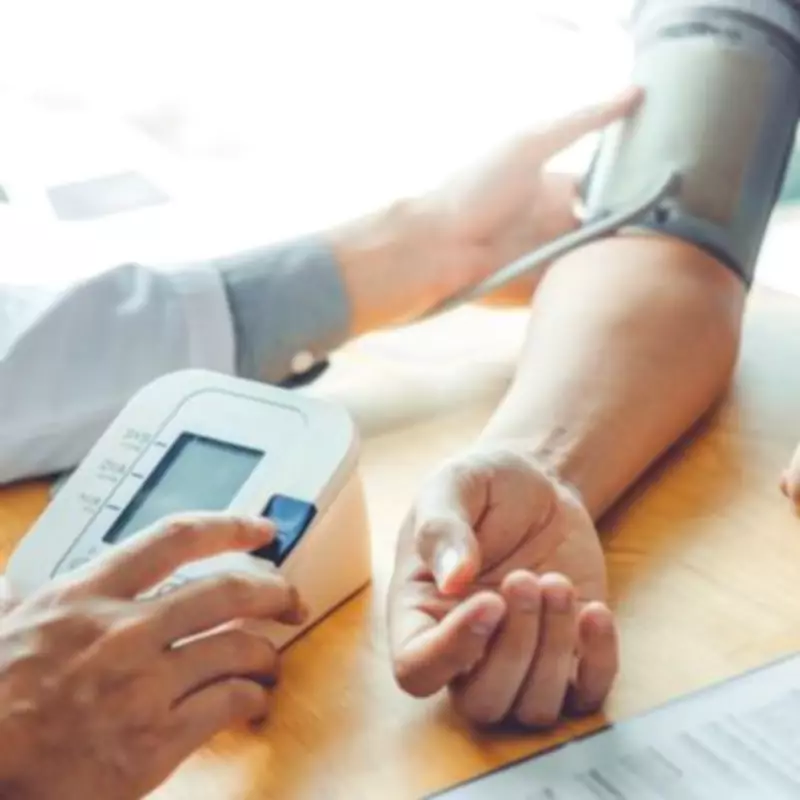
These appointments typically involve a pharmacist or team member wrapping a cuff around your upper arm to take a measurement. Depending on the result, you may be advised to see a GP, given lifestyle advice, or provided with a monitor to use at home before a follow-up visit.
What Constitutes a High Blood Pressure Reading?
Blood pressure readings consist of two numbers, with the first being higher than the second. For individuals under 80 years old, a reading is generally considered high if it is:
- 140/90 or higher when checked by a healthcare professional.
- 135/85 or higher when checked at home.
For people aged 80 and above, a blood pressure reading is typically considered high if it is:
- 150/90 or higher when checked by a healthcare professional.
- 145/85 or higher when checked at home.
Regular monitoring and timely medical intervention are key to managing hypertension and preventing serious health issues. Always consult with healthcare providers for personalised advice and treatment options.