Starmer Rejects Claims of Defence Complacency Amid Funding Debate
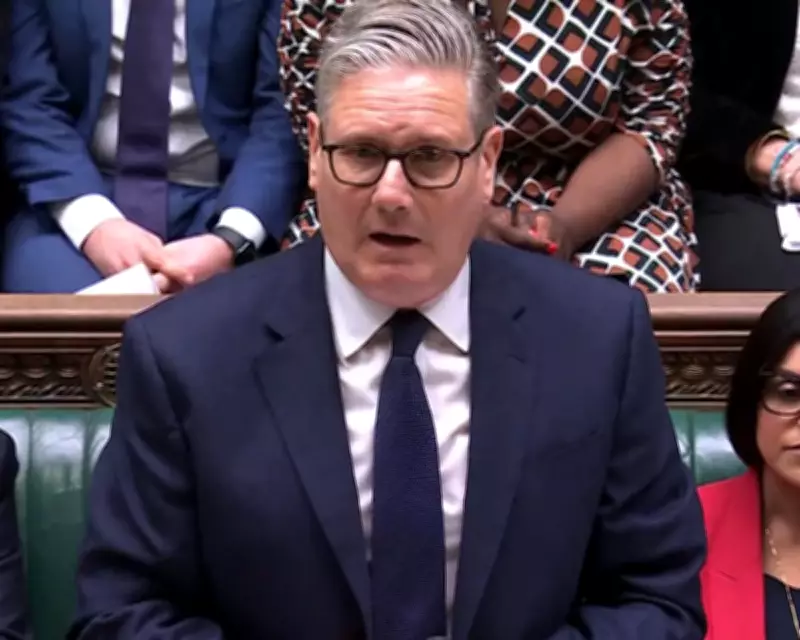
Prime Minister Keir Starmer has firmly rejected accusations that his government is showing "corrosive complacency" regarding defence funding, as he faced sustained pressure during Prime Minister's Questions on Wednesday. The Labour leader insisted that defence spending is increasing rapidly, despite warnings from former NATO chief George Robertson about inadequate investment.
Robertson's Criticism and Starmer's Response
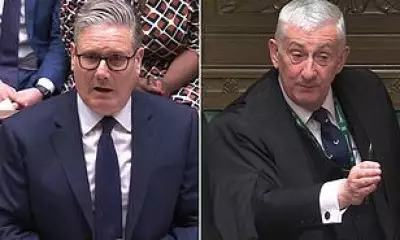
Questioned in the Commons about Robertson's comments, Starmer stated he does not agree with the assessment that social security should be cut to boost defence spending. Robertson, a former Labour defence secretary who co-authored a defence review for the government, had publicly expressed frustration about the failure to present comprehensive 10-year spending plans for defence.
"My responsibility is to keep the British people safe, and that is a duty I take seriously," Starmer declared during the exchange. "That is why I do not agree with his comments." When pressed by Conservative MP Kemi Badenoch about whether he agreed with Robertson's position, Starmer argued that his government was addressing both defence and social security areas simultaneously, claiming previous Conservative administrations had neglected both.

Defence Spending Commitments and Shortfalls
The government has committed to increasing defence spending to 2.5% of GDP from April next year, with plans to reach 3% in the next parliament. However, military leaders believe there remains a substantial £28 billion shortfall after years of what they describe as the armed forces being "hollowed out" by successive administrations.
Government sources have not denied reports that Chancellor Rachel Reeves has proposed increasing the defence budget by less than £10 billion over the next four years, amid concerns that larger increases would be unaffordable. With defence spending discussions scheduled for this week, military leaders are understood to have been asked to find £3.5 billion in savings this year, even as the armed forces prepare for potential conflict scenarios.
Treasury Tensions and Internal Labour Divisions
Defence Secretary John Healey is reportedly pushing the Treasury for additional defence funding, but suggestions that public spending cuts might be necessary to finance defence increases have sparked angry reactions from the left wing of the Labour Party. The debate has exposed tensions within the government about how to balance competing priorities.
James Murray, the chancellor's deputy, argued earlier on Wednesday that balancing welfare and defence spending "is not a zero-sum game." He told Times Radio: "We've decided to have the biggest sustained increase in defence investments since the cold war. At the same time, we've begun our work to reform the welfare system."
Procurement Concerns and Geopolitical Realities
Labour peer John Hutton, who served as defence secretary under Tony Blair, urged Starmer to "knock heads together" and ensure the Treasury releases more funding without first demanding guarantees about procurement system reforms. Hutton acknowledged that the Ministry of Defence "wastes a lot of money" through notoriously inefficient procurement processes, but argued it was unreasonable for the Treasury to withhold funding until efficiency plans were developed.
"That just simply does not take into account the geopolitical situation we're in," Hutton told the Guardian, highlighting the urgency of defence investment given current international tensions.
Looking Forward
When questioned about when a promised defence investment plan would materialise, Starmer emphasised the importance of getting it right, stating it would be "published as soon as possible." He defended Reeves's record on defence spending, attributing promised budget increases to "the decisions of this chancellor."
The debate continues as the government navigates competing demands for resources while maintaining its commitment to both national security and social welfare programmes.