The Shattered Illusion of a Hollywood Icon
Returning from an overseas trip, Audrey Hepburn noticed her housekeeper Giovanna was visibly distressed. She invited the woman into her bedroom, where they sat together on the bed. 'I cannot live with this any longer,' Giovanna confessed through tears. 'He brings them here when you are away, signora. He brings them to this very bed... for the night. He has us serve them breakfast—in bed, in this bed.' Audrey turned pale, sitting motionless. Her only question was: 'When?' 'Always, signora. Every time you go!' sobbed Giovanna.
Quietly, Audrey stood, walked to her bedroom window, and lit a cigarette, her hand trembling. 'Thank you, Giovanna. You did the right thing,' was all she said. From that moment, her second marriage descended into a nightmare from which she felt trapped.
A Lifelong Fear of Abandonment
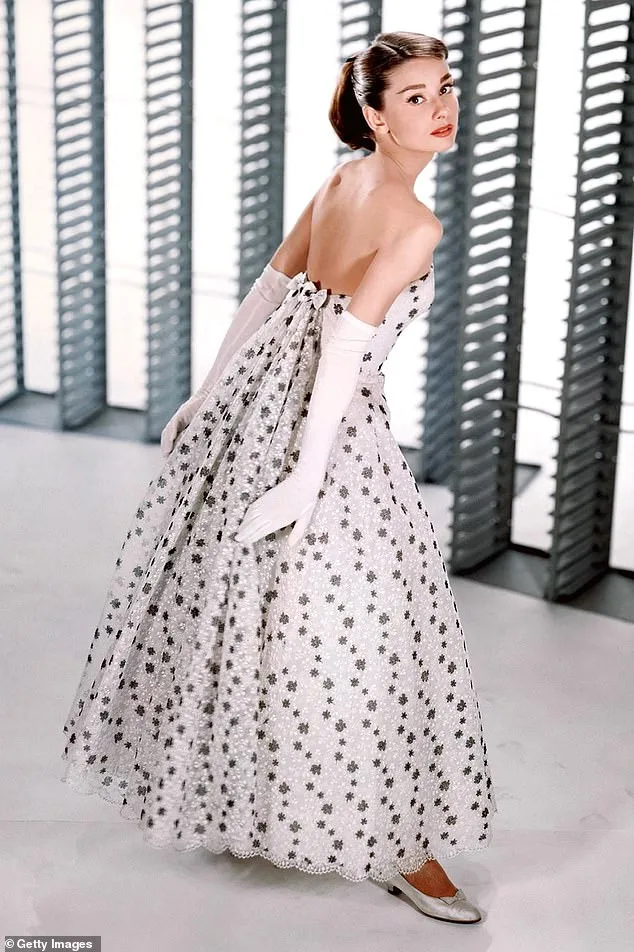
Most envision Audrey Hepburn as a woman in complete control, a star apart from others. Yet in romance, she proved as vulnerable as her on-screen personas. Astonishingly, the woman celebrated globally for beauty and style long believed herself too unattractive to marry. Even after marrying, she lived in constant dread of being left.
Born in 1929 to a Dutch mother and Anglo-Irish father, her parents separated when she was six. The day 46-year-old Joseph Ruston abandoned his wife and daughter permanently seared into Audrey's memory. His absence forged lifelong insecurity, shaping nearly every decision, especially regarding men. Moments of happiness with lovers never endured.
She often called her father's rejection the 'most traumatic event' of her life. 'One day, he just went out and never returned. I was destroyed. I cried for days,' she recalled. 'That feeling stayed with me through my relationships. When I married, I lived in constant fear of being left. I was terrified something would take my husband away.'
For years, she viewed her father as a heroic, almost mythical figure. In reality, he was a suave playboy in a cravat; a spendthrift with grand aspirations and minimal interest in his daughter. Desperate for affection, Audrey found none from her mother Ella, a cold, difficult aristocrat. Consequently, her primary life goal wasn't Hollywood stardom but creating the loving family she never had.
Romantic Entanglements and Heartbreak
Before meeting Mel Ferrer, she was engaged to British businessman James Hanson, later knighted. This ended after Audrey—then a little-known actress—landed the role that launched her to international fame: playing a princess opposite Gregory Peck in Roman Holiday. Her career skyrocketed.
Starring in Sabrina, she embarked on an intense affair with actor William Holden, though it was brief. He was married with three children and had undergone a vasectomy—a deal-breaker for a woman yearning for children. Recovering from that heartbreak, Mel Ferrer entered her life.
Superficially, they shared common ground: Mel's father died when he was three, and his mother showed no affection. He was also an actor, albeit rather wooden. Less promisingly, he'd been married three times with four children. He was a neurotic perfectionist, notoriously controlling. Co-starring with Audrey in a Broadway play, he spent hours coaching her post-rehearsals, often undermining the director.
By the play's closure, they were engaged. Mel—'Melly' to Audrey—didn't want a traditional wife; he pushed her to achieve more. They married in 1954. Over the next decade, Audrey starred in 12 films while Mel appeared in over 20 productions.
Marital Strains and Motherhood
In 1959, after two miscarriages, Audrey took no chances with her next pregnancy, abandoning movies for a full year. Few knew Mel secretly didn't want another child; he had four already and grand plans for their joint careers, with no room for time off.
To avoid marital tension, Audrey insisted she'd fund everything for their son Sean, including education, ensuring he'd never be a financial burden on Mel. She kept her word.
After Sean's birth, Audrey suspected her husband took 'subconscious' steps to prevent further pregnancies. Each time she conceived, Mel found reasons to move, travel, or engage in strenuous activity. It became a grim joke. Audrey quipped to friends that upon a positive pregnancy test, he'd ask, 'Can you help with this box of books?' They thought she jested; she did not.
Diagnosed with an incompetent cervix, she shouldn't have lifted anything, traveled excessively, or moved house. She required complete bed rest, especially in the final trimester. Mel did encourage her to take the iconic role of Holly Golightly in Breakfast at Tiffany's in 1961, after Marilyn Monroe declined, fearing a call girl role would tarnish her image.
The Unraveling of a Union
Meanwhile, their marriage faltered. Mel, a neurotic perfectionist, constantly sought exciting new projects for them both. He scoured for opportunities as passionately as Audrey yearned for a simple, anonymous family life. Much to his disapproval, she skipped the New York premiere of Breakfast at Tiffany's to stay home with Sean.
Typical of his generation, Mel was self-centered and out of tune with relationship psychology. Painfully aware his career lagged behind his wife's, he grew increasingly difficult, temperamental, and prone to rage. Audrey realized she couldn't save him. The day she found Sean tiptoeing past his room, whispering to avoid outbursts, she knew she'd let things continue too long. She believed this moment marked her decision—if only in her heart—to leave.
Determined to avoid a broken home for Sean, she clung to the failing marriage. Though one of the world's most adored women, she could hardly breathe. Later, she confided she spent 'two years in hell... the worst of my life.'
Separation and New Beginnings
They finally separated in 1966 when Sean was six—the same age Audrey was when her father abandoned her. Mel regretted losing her for life. Audrey's career peaked with Charade, My Fair Lady, and How to Steal a Million. Throwing herself into work, she filmed Two for the Road with Albert Finney, engaging in a short-lived fling during four months in the South of France. Friends said they behaved like teenagers in love. Ironically, playing a woman with a crumbling marriage, Audrey felt happier than in years.
After her 1968 divorce, she abandoned work to care for Sean full-time—an extraordinary move for a star of her stature. She felt destroyed by the divorce, viewing it as a personal failure. Not alone long, she married Andrea Dotti in 1969, an aristocratic Italian doctor nine years her junior. Turning her back on Hollywood, she focused on being an ideal wife and mother.
A Second Marriage's Descent into Despair
Eight-year-old Sean liked Andrea immediately—kind, spending time with him, suggesting the nickname 'Coco'. The wedding was a simple civil ceremony in Switzerland. Designer Hubert de Givenchy crafted a pale-pink cashmere jersey minidress with a matching headscarf. Moving to Andrea's Rome penthouse, Audrey hoped for a fresh start.
Instead, she entered an inferno. What began as a whirlwind yacht romance became a nightmare. As plain Signora Dotti, she embraced domestic life, declining film scripts to avoid jeopardizing her marriage. Rising at dawn to make Andrea's coffee, she cared for Sean, exercised their dogs, shopped incognito, and collected Sean from school. Evenings were for her husband.
Despite son Luca's birth in 1970, the marriage soured after a few years. Andrea drank excessively, losing resistance to other women. An aristocratic playboy, he refused to relinquish relentless socializing. Within years, he was photographed with some 200 women, splashed across front pages. Confronted, he claimed this was Roman life.
Even after Giovanna's confession about women in their marital bed, part of Audrey resisted. Divorce seemed unthinkable; she blamed herself for being too old. A friend saw her pour a midday whisky. 'It must be six o'clock somewhere,' she said with a wry smile.
For four years, she stayed for her sons and respect for marriage. Publicly, she insisted, 'I'm a Roman housewife, just what I want. Despite what you read, my marriage is working beautifully.' She rarely discussed her career. At 14, Sean discovered her 16-millimetre films, hosting a private festival. Audrey checked on him, wincing at her performances, crediting directors and cast, never herself.
Crisis and Breaking Point
Uncertain how long she could endure, several factors forced her hand. Fearing kidnappings sweeping Europe, she grew paranoid about Sean and Luca's safety, restricting their movements. In 1974, she became pregnant at 45—a desperate attempt to create her ideal family despite her husband's infidelity. She miscarried early, devastating her.
The next year, Andrea burst home with a head gash and bloodied shirt, claiming four masked men attacked him outside his practice, trying to drag him into a Mercedes. He fought back, was pistol-whipped, escaped under a parked car, and security guards rescued him. Horrified, Audrey sent Sean to Swiss boarding school within three days, promising weekend visits.
Years later, they learned the 'kidnapping' was a beating by a husband whose wife Andrea was having an affair with. His infidelity directly caused Sean's separation from his mother, losing four years of family life. Despite profound unhappiness, Audrey persisted.
Andrea insisted seeing other women wasn't significant for an Italian, accusing her of being difficult and overemotional. He alternated between affection and apology, then hardness and cruelty—today termed gaslighting. Despicable behavior left Audrey listless indoors.
Professional Struggles and Emotional Collapse
Persuaded to film after eight years, she accepted Maid Marian in Robin and Marian opposite Sean Connery. She soon found the script altered, didn't bond with the director, and everything changed since her last set. Filmed at breakneck speed, she couldn't view daily unedited footage to correct performances. Out of her comfort zone, she admitted being 'petrified,' shaking with each take.
Home, she pleaded with Andrea, declining films like A Bridge Too Far, Out of Africa, and The Turning Point. Her resources dwindled.
In 1978, 17-year-old Sean returned to their Swiss home, La Paisible, for exams. A maid found Audrey in bed, staring blankly, an empty sleeping pill bottle beside her. Hospitalized for stomach pumping, she returned pale and exhausted, seeking Sean first. Sitting him down, she said, 'I know how this looks, but please understand. I was in so much pain I desperately wanted to knock myself out. I overdid Mogadon, that's all. I've been hurting too much, needed it to stop. I'm dreadfully sorry. I never meant to take my life.'
Sean believed her. One positive emerged: her near-fatal low convinced her the marriage was truly over. Losing babies and marital failures nearly broke her. 'I hung on in both marriages very hard, as long as I could, for the children's sake,' she later said. 'You always hope loving somebody enough makes everything right, but it isn't always true.'
Final Love and Legacy
In 1980, a friend introduced her to Dutchman Robert Wolders, 43, seven years younger, recently widowed from actress Merle Oberon. Quickly, he became her lover. Though all previous men disappointed, she felt she'd finally found kindness and trust. Thankfully, she was right. Mel acidly called Rob 'the door opener.' Sean viewed him as a devoted escort with no aspirations—adorable but a doormat.
Yet Rob made Audrey laugh for the first time in years, sharing passions for dogs, countryside, books, and gardens. For the first time, she could be herself without agendas or cruelty. He cared for her, accompanying her to dangerous regions as a UNICEF goodwill ambassador from 1988.
In her final years, Audrey freely chose life and a man suiting her best. Still, she constantly sought reassurance she was loved and mattered. Until her 1993 cancer death, it took time to believe she'd raised her sons with enough love to compensate for divorces.