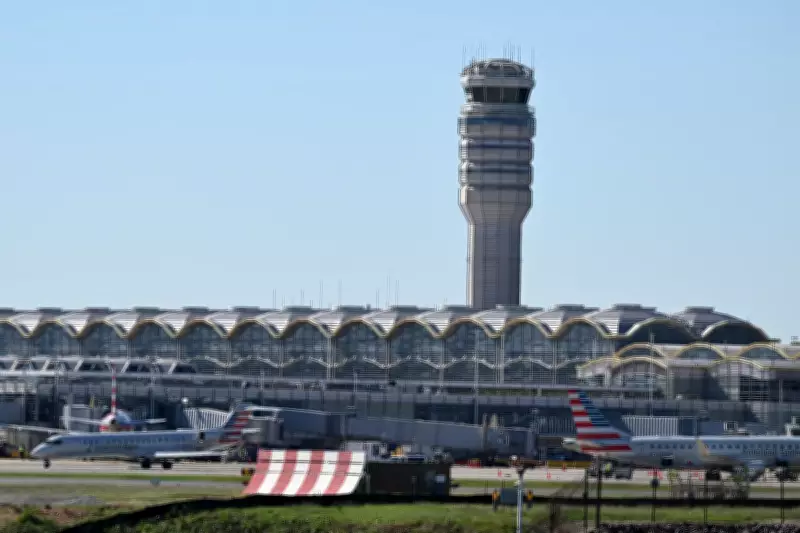
The Federal Aviation Administration (FAA) implemented ground stops at several airports in the Washington, D.C. metropolitan area on Friday evening, causing significant travel disruptions. The action was taken in response to reports of a "strong smell" emanating from the Potomac Consolidated Terminal RADAR Approach Control (TRACON) facility located in Warrenton, Virginia.
Affected Airports and Timeline
The ground stops impacted five major airports: Ronald Reagan Washington National Airport (DCA), Washington Dulles International Airport (IAD), Baltimore-Washington International Airport (BWI), Charlottesville–Albemarle Airport (CHO), and Richmond International Airport (RIC). These measures temporarily halted all inbound and outbound flights, leading to delays and cancellations for thousands of passengers.
Partial Resolution
By 8:15 pm on Friday, the FAA lifted the ground stops for Dulles and BWI airports, allowing operations to resume. However, the stop remained in effect for Reagan National Airport, continuing to affect flights there into the night. The agency has not provided a specific reason for the differing timelines, but investigations into the odour are ongoing.

Historical Context
This incident marks the second such occurrence in recent weeks. Two weeks prior, a similar event at the same control centre prompted ground stops, which Transportation Secretary Sean Duffy later attributed to an overheated circuit board. The recurrence raises questions about the facility's maintenance and safety protocols, with officials likely to review procedures to prevent future disruptions.
Impact on Travel
The ground stops caused widespread inconvenience for travellers, with many facing extended delays and uncertainty. Airlines were forced to adjust schedules, and passengers were advised to check with their carriers for updates. The FAA has emphasised that safety remains the top priority, and such measures are taken proactively to ensure no risks to air traffic control operations.
As investigations continue, authorities are working to identify the source of the odour and implement corrective actions. This event underscores the critical role of air traffic control infrastructure in maintaining safe and efficient air travel, particularly in busy metropolitan regions like Washington, D.C.