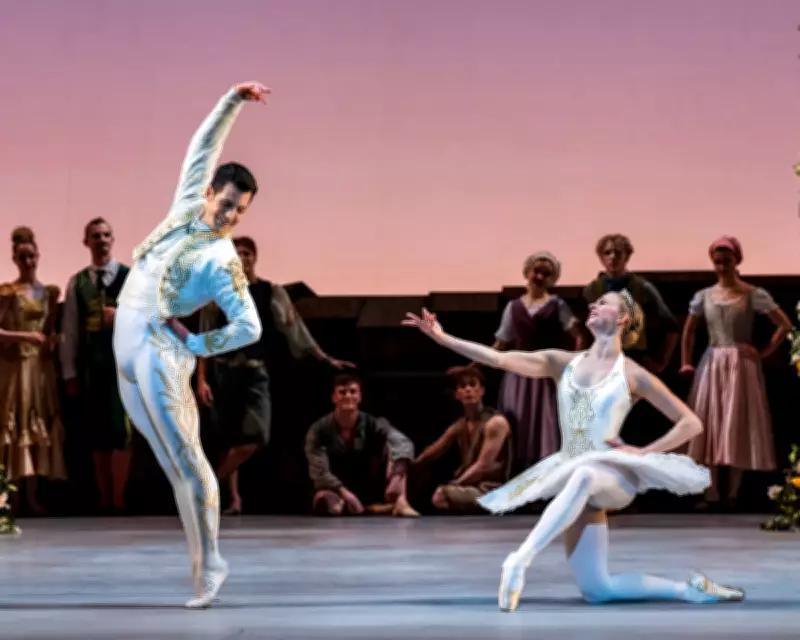
Timothée Chalamet's recent comments about opera and ballet have ignited a fiery debate across the cultural landscape. In a recorded conversation for Variety, the Oscar-nominated actor stated he doesn't want to work in "ballet, or opera, or things where it's like, 'Hey, keep this thing alive, even though like no one cares about this any more'." While his subsequent attempt at damage control with "All respect to all the ballet and opera people out there" failed to appease critics, his remarks have inadvertently sparked the very conversation these art forms desperately need.
The Immediate Backlash and Defensive Responses
The reaction from the opera and ballet world was swift and defensive. New York's Metropolitan Opera took to TikTok to highlight the legions of creatives required to stage their productions, while the UK's Royal Ballet and Opera insisted that "thousands of people" fill their auditoriums nightly. Performers including ballerina Misty Copeland publicly rebuked Chalamet's comments, and Italian tenor Andrea Bocelli extended a public invitation to one of his concerts.
The Uncomfortable Truth Behind the Outrage
Beneath the surface of this outrage lies an uncomfortable reality that major institutions have been reluctant to address publicly. Post-pandemic audience numbers have dwindled significantly, leading to fewer stage shows being produced and more industry professionals finding themselves out of work. The truth is that opera and ballet face existential challenges similar to other traditional pursuits like stamp-collecting and blacksmithing - appreciation alone cannot rescue them from declining relevance.

The fundamental problem is clear: if as many people who have labeled Chalamet uncultured actually purchased tickets to performances, these art forms wouldn't be facing their current crisis. There exists a significant gap between virtue signaling about cultural preservation and taking the concrete actions necessary to keep these traditions alive.
The Accessibility and Perception Problem
Much of the discourse surrounding Chalamet's comments has revealed a troubling snobbery within classical arts circles. Stock responses like "the music is beautiful, you must be ignorant" effectively silence opportunities for meaningful discussion and progress by shaming potential newcomers. This elitism extends to financial accessibility, with ballet dancer Amar Smalls defending extortionate ticket prices by comparing the experience to "taking your girl to Nobu or McDonalds."
For many young people, particularly those from working-class backgrounds, opera and ballet feel worlds away from their everyday experiences. The author recalls working as an usher when Glyndebourne toured to Norwich Theatre Royal, describing the atmosphere as if "posh aliens" had invaded the space. The message was clear: these art forms weren't intended for "the likes of me."
Youth Outreach Efforts Falling Short
Organizations have made attempts to attract younger audiences. The English National Opera offers free tickets to under-21s, while Young RBO provides 16- to 25-year-old members with access to Royal Opera House tickets for under £30. However, these initiatives rely heavily on young people already possessing an interest or curiosity about these art forms. The challenge remains making La Bohème or Giselle more appealing than streaming services, social media scrolling, gaming, or simply going to the pub.
Learning from Other Performing Arts
Theatre has begun to understand that attracting new audiences requires recognizing it's an expensive night out and that people won't take risks on productions that sound remotely boring. Quentin Tarantino's announcement that he will write and direct a new West End play in 2027 represents exactly the kind of bold, attention-grabbing move that generates excitement. Similarly, newly appointed artistic directors at prestigious institutions like the Almeida, National Theatre, and Royal Shakespeare Company are making innovative programming decisions.
The Royal Shakespeare Company's website will likely crash when tickets for George R.R. Martin's Game of Thrones prequel go on sale in April, demonstrating how blockbuster programming alongside traditional classics can drive both audience numbers and essential revenue.

Chalamet's Own Marketing Genius
Ironically, Chalamet himself provides a masterclass in broadening appeal beyond niche audiences. His promotional tour for "Wonka" featured creative stunts including fake Zoom calls in character and bodyguards with giant ping-pong ball heads. Whether considered annoying or ingenious, this approach helped make the film A24's highest-grossing UK release ever, reaching far beyond traditional cinephile circles.
A Path Forward for Traditional Arts
Rather than dismissing Chalamet's comments as insults from a Hollywood upstart, opera and ballet institutions might benefit from treating them as valuable feedback from precisely the demographic they need to attract for survival. The solution may involve embracing more audacious and inventive programming that challenges traditional boundaries.
While suggestions like commissioning Lady Gaga to write a female Don Giovanni or creating "Bad Bunny: The Ballet" might sound glib, they represent the kind of outside-the-box thinking that could generate necessary buzz. A simpler starting point would be for these art forms to stop finger-wagging at critics and start genuinely listening to why younger generations feel disconnected from their offerings.
Perhaps the most constructive approach would be to thank Timothée Chalamet for providing the conversation starter these traditions desperately needed. His comments have brought attention to challenges that polite discourse has long avoided, creating an opportunity for meaningful change that could ensure opera and ballet thrive for centuries to come.