Inside Iran: Daily Life Persists Amidst the Ruins of Conflict
On a 12-hour drive across Iran, Associated Press reporters witnessed a nation where the rhythms of ordinary existence unfold against a backdrop of profound anxiety and physical destruction. The journey, granted under strict government supervision, revealed a stark dichotomy between the visible scars of war and the resilient, quieter scenes of daily life that persist despite five weeks of heavy American and Israeli airstrikes.
A Landscape of Contrasts: From Border to Capital
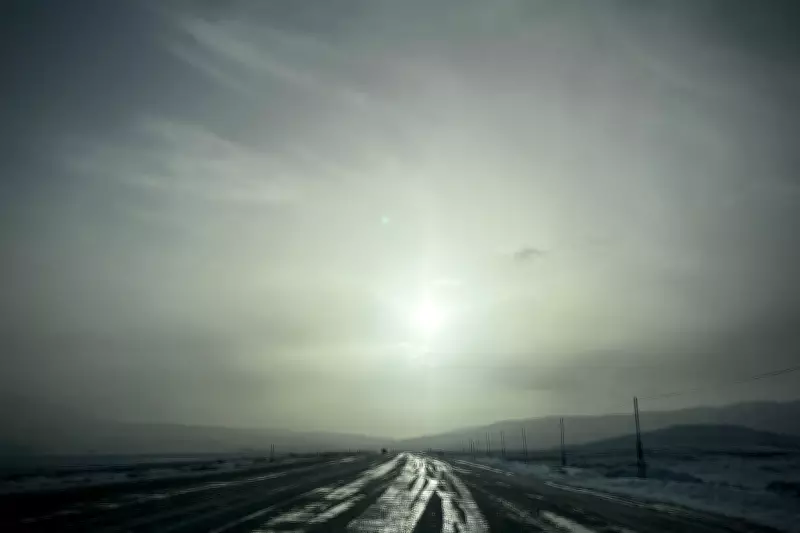
Beginning at the Turkish border, the initial sights included large portraits of the late Supreme Leader Ayatollah Ali Khamenei—killed on the war's first day—adorned with fiery slogans vowing revenge against America and Israel. Yet, just beyond, a shepherd peacefully guided his sheep along the roadside, with snow-capped mountains rising beneath gray skies, presenting an almost serene image.
For much of the long drive toward Tehran, outward signs of the conflict that has rippled across the Middle East and jolted the global economy were few. Shops remained open, traffic backed up predictably during rush hour, and families were observed enjoying quiet breakfasts at truck stops. In one particularly incongruous moment, a mountain tunnel featured a cargo truck emblazoned with a Nike logo, while a restaurant played R.E.M.'s "Losing My Religion" as customers, including women not wearing the mandatory headscarf, savored grilled meats and saffron drinks.

The Harsh Reality of Airstrikes Emerges
Six hours into the journey, the war's brutal reality became unmistakable in the city of Zanjan. There, a religious community center, known as a husseiniyah, had been struck by an Israeli airstrike days earlier. Iranian officials reported the destruction of a clinic and a library, claiming two civilian deaths, while the Israeli military asserted it had targeted a military headquarters. This site stood as a somber testament to the conflict's human and structural toll.
Approaching Tehran, more billboards of Khamenei lined the roads. Entering the capital after midnight, the reporters drove through eerily empty streets, passing the rubble of government buildings and police stations—casualties of the extensive bombardment. Checkpoints manned by the Revolutionary Guard and the Basij, bulwarks of the Islamic Republic repeatedly targeted in the strikes, underscored the heightened security and tension.
Reporting Under Government Oversight
The Associated Press, which already operates in Iran, was permitted by the Iranian government to send an additional team for this brief reporting trip. The visiting team was accompanied by a media assistant from a government-affiliated company, though AP retained full editorial control over its content. This arrangement allowed for a rare, albeit monitored, glimpse into a nation largely closed to foreign journalists during the conflict.
Just outside the damaged husseiniyah in Zanjan, and in every town on the road to Tehran, life appeared deceptively normal. Yet, the pervasive backdrop of war and anxiety was undeniable, shaping a complex narrative of resilience amidst ruin. This documentary photo story, curated by AP photo editors, captures these contradictions, offering a poignant visual account of a country grappling with conflict while striving to maintain the fabric of everyday life.