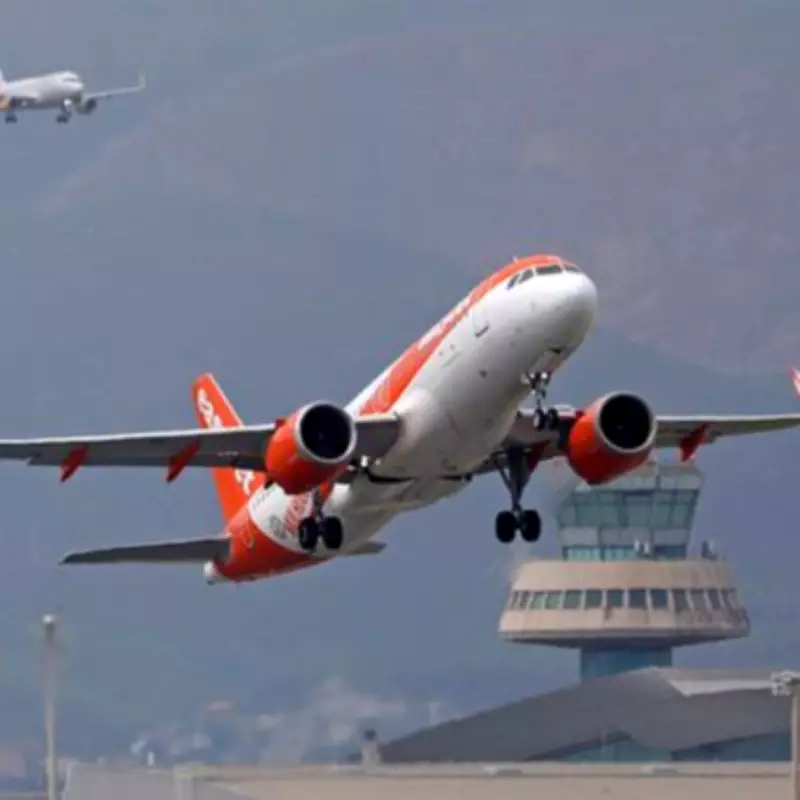
EasyJet has issued a direct and urgent warning to passengers, stating clearly that they "will not be able to board and will miss your flight" if delayed by new European border procedures. This alert follows numerous reports of extensive queues at passport control, primarily driven by the phased implementation of the European Union's Entry/Exit System (EES).
New Biometric Checks Creating Airport Gridlock
The core of the issue is the European Entry/Exit System (EES), a new digital border regime that commenced on October 12, 2025. For short-stay travellers from outside the EU, including UK passport holders, this system mandates the registration of biometric data—specifically fingerprints and facial photographs—upon arrival at a Schengen area border. This process, while free and conducted at the border, is adding significant time to passenger processing.
Passenger Frustration Boils Over
The real-world impact was starkly illustrated by a passenger's experience shared on social media. A user named KezOsman detailed a distressing wait of over an hour in a fingerprint queue at Palermo Airport, with their EasyJet flight to London due to depart in just 20 minutes. They reported minimal movement in the queue and expressed frustration as passengers on other airlines were prioritised.

In a definitive response on April 8, an EasyJet customer service representative named Thando clarified the airline's strict policy: "Please note that the boarding gate closes a minute before departure. After it closes, you will not be able to board and will miss your flight." This exchange underscores the non-negotiable nature of boarding deadlines, regardless of external delays.
Official Travel Advice for Navigating Delays
Travel authorities and the airline itself are urging passengers to adopt new strategies to mitigate these disruptions. The Association of British Travel Agents (ABTA) recommends proceeding directly to passport control immediately after check-in and security to complete EES checks as early as possible. They reinforce the standard advice of arriving at the airport at least two hours before a European flight, suggesting this should be considered an absolute minimum under the new system.
EasyJet has published a list of proactive steps for passengers:
- Plan meticulously for travel to and through the airport, anticipating longer queues at every stage.
- Visit Bag Drop counters as soon as they open to avoid later bottlenecks.
- Proceed through security checks at the earliest opportunity.
- Be prepared for additional checks at passport control before reaching your gate.
- Head to the boarding area immediately when it is announced.
- Ensure all travel documents are correct and readily available.
- Expect potential delays upon arrival at your destination airport as well.
What Passengers Should Do If Running Late
If passengers realise they are at risk of missing their flight due to these queues, immediate action is critical. The advised course is to contact the airline without delay via their mobile app, email, or telephone. Additionally, seeking assistance from airport staff can be beneficial; some airports offer expedited services, such as electric transport or priority queue access, for passengers with imminent departures or tight connections.
Understanding the Scope of the EES
The EES is being introduced gradually, with full operation expected from April 2026. It will eventually replace the manual stamping of passports for visitors entering the EU. A statement on the UK government's website warns that "EES may take each passenger a few extra minutes to complete so be prepared to wait longer than usual at the border." Estimates suggest wait times could extend to two or three hours at major hub airports during peak periods.
The system applies to the 27 countries within the Schengen area, including popular destinations like France, Spain, Italy, Germany, and Greece. It is important to note that the Republic of Ireland and Cyprus are not part of the Schengen agreement, so travel to these countries does not currently require EES registration.

As this new border infrastructure is rolled out, airlines like EasyJet are emphasising the paramount importance of passenger preparedness and patience. The combination of early arrival, strategic planning through the airport, and clear communication with airline staff represents the best defence against the disruption caused by these mandatory biometric checks.