Iran Mobilises Youth as Human Shields Ahead of Trump's Critical Deadline
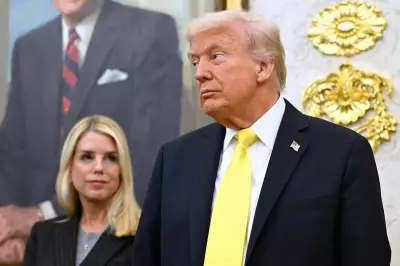
In a dramatic escalation of the ongoing conflict, Iranian authorities have issued a stark call for young citizens to form human chains around the nation's power plants. This urgent mobilisation comes directly ahead of a looming deadline set by US President Donald Trump, who has threatened to bomb all of Iran's power plants and bridges if shipping traffic through the critical Strait of Hormuz is not fully restored by Tuesday at 8 pm EDT.
Trump's Ultimatum and Regional Choke Point
President Trump has declared that "the entire country can be taken out in one night", underscoring the severity of his ultimatum. The Strait of Hormuz serves as a vital maritime artery, through which approximately one-fifth of the world's oil transits during peacetime. Iran had previously severed shipping through this strategic waterway following coordinated attacks by Israel and the United States on 28 February, marking the explosive commencement of the current hostilities.
In a clear indicator of impending military action, Israel's military disseminated warnings in the Farsi language, advising Iranian civilians to avoid train travel throughout the day. A message posted on social media platform X starkly cautioned, "Your presence puts your life at risk."

Iran's Desperate Defensive Measures
The Iranian government has issued a nationwide appeal to "all young people, athletes, artists, students and university students and their professors" to urgently assemble and create protective human barriers around power generation facilities. Alireza Rahimi, identified by Iranian state television as the secretary of the Supreme Council of Youth and Adolescents, reinforced this call in a video statement, emphasising that "Power plants that are our national assets and capital, regardless of any taste or political viewpoint, belong to the future of Iran and to the Iranian youth."
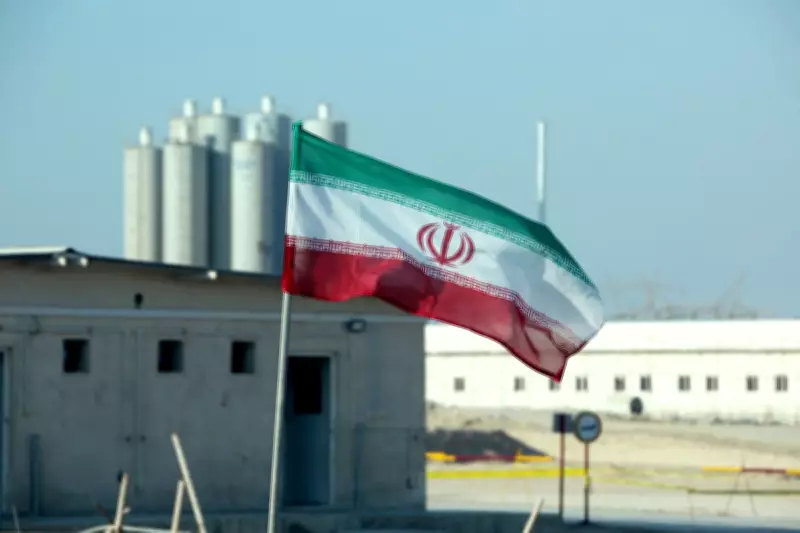
This tactic of deploying human chains has historical precedent in Iran, having been utilised previously around sensitive nuclear installations during periods of heightened friction with Western nations. In a further alarming development, a Revolutionary Guard general has subsequently urged parents to dispatch their children to man checkpoints, which have been repeatedly targeted in recent airstrikes.
International Condemnation and Trump's Dismissal
The international community has voiced mounting concern over the escalating crisis. France's Foreign Minister, Jean-Noël Barrot, explicitly warned that attacks targeting civilian and energy infrastructure "are barred by the rules of war, international law" and would likely trigger a dangerous new phase of escalation and reprisals. New Zealand Prime Minister Christopher Luxon echoed these sentiments, urging restraint and stating that such actions against civilian infrastructure would be "unacceptable".
United Nations Secretary-General António Guterres, through his spokesperson, reinforced the prohibition of attacks on civilian infrastructure under international law. President Trump, however, dismissed all concerns regarding potential war crimes, stating unequivocally to reporters that he was "not at all" concerned.
Regional Violence and Mounting Casualties
The conflict has expanded geographically with Tehran launching seven ballistic missiles towards Saudi Arabia in the early hours of Tuesday. Saudi authorities reported debris from intercepted missiles falling near crucial energy facilities, with damage assessments currently underway by Defence Ministry spokesman Maj Gen Turki al-Malki. This attack prompted the temporary closure of the King Fahd Causeway, the 25-kilometre bridge linking Saudi Arabia to Bahrain, which serves as the island kingdom's sole terrestrial connection to the Arabian Peninsula and is proximate to the US Navy’s 5th Fleet base.
Simultaneously, activists reported a fresh wave of strikes on Tehran, for which Israel later claimed responsibility. Iranian media confirmed separate airstrikes killing nine people in Shahriar and six more in Pardis. Iran also retaliated with missile launches towards Israel, with reports of incoming projectiles in Tel Aviv and Eilat.

Soaring Human Cost of the Conflict
The human toll continues to rise catastrophically across the region. Current estimates indicate:
- More than 1,900 fatalities in Iran since the war's inception, though official figures have not been updated for days.
- Over 1,400 deaths in Lebanon, accompanied by the displacement of more than one million people.
- Eleven Israeli soldiers killed in Lebanon.
- More than two dozen fatalities reported across Gulf Arab states and the occupied West Bank.
- Twenty-three confirmed deaths in Israel.
- Thirteen US service members killed in the conflict.
The situation remains perilously volatile as the world watches the clock tick towards President Trump's decisive deadline, with Iran resorting to extraordinary civilian mobilisation in a desperate bid to protect its critical infrastructure.