UK Faces Critical Role in Securing Fragile Iran Ceasefire
The United Kingdom must employ every available diplomatic resource to ensure the fragile ceasefire between the United States and Iran holds firm, following a conflict that has devastated Western alliances and inflicted severe damage upon the global economy. The chaotic presidency of Donald Trump has left a legacy of international discord, making the pursuit of a sustainable peace path an urgent priority for global stability.
Starmer's Diplomatic Mission and Historical Parallels
Prime Minister Sir Keir Starmer's journey to the Middle East represents a crucial effort to reassure allies and advocate for peace during a period of profound international confusion. While the cessation of hostilities is universally welcomed, the ambiguous outcomes of this development have left many frustrated.
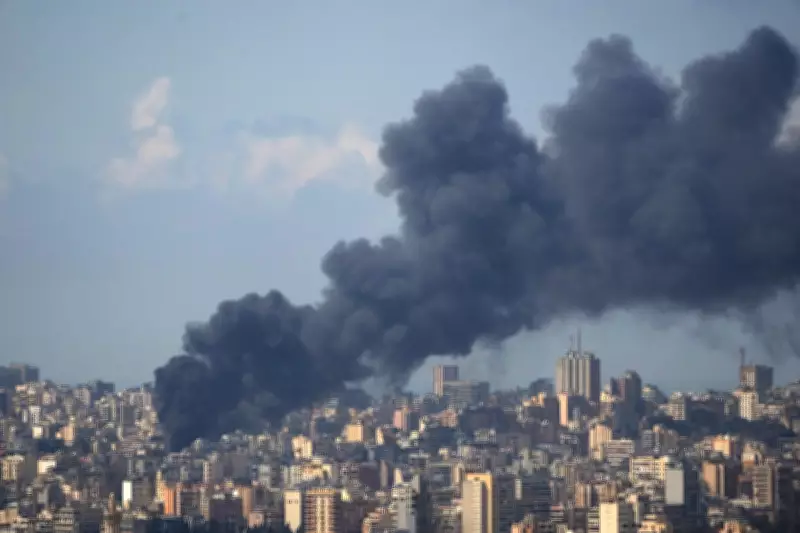
Sir Keir has positioned himself advantageously by visiting communities affected by Iranian bombings, demonstrating a commitment to Britain's influential role in global affairs. This stance requires clear explanations of the UK's defensive commitments and strategic reasoning to its allies. Some observers have drawn comparisons between Starmer and former Prime Minister Harold Wilson, who successfully kept Britain out of the Vietnam War while navigating the complex internal dynamics of the Labour Party.

Pakistan's Unexpected Peacemaking Triumph
Geopolitics occasionally produces unlikely heroes, and in this instance, considerable global gratitude is owed to Pakistan for its instrumental role in facilitating the US-Iran ceasefire. Prime Minister Shehbaz Sharif and Field Marshal Asim Munir, head of the Pakistani army, have remarkably earned the trust of both Washington and Tehran.
Their diplomatic efforts have created simultaneous "off-ramps" acceptable to both conflicting parties. While Donald Trump's threats against Iran's ancient civilization may have contained elements of bluff, Pakistan's intervention thankfully rendered testing his seriousness unnecessary. Should their peacemaking yield further success, both Pakistani leaders could emerge as strong contenders for Nobel Peace Prize recognition.
Global Consequences and Shifting Power Dynamics
The Iran conflict has proven disastrous for virtually all involved parties, transcending the concept of a zero-sum game. Israel, despite initial satisfaction with Iran's weakening, now faces an Islamic Republic that has secured lucrative control over the strategically vital Strait of Hormuz.
This development grants Iran significant leverage in eventual peace negotiations, potentially undermining Israeli Prime Minister Benjamin Netanyahu's stated objective of regime change. Meanwhile, the United States has suffered substantial losses beyond military casualties and failed operations.
America's global influence has diminished dramatically, with traditional Western alliances including NATO, Japan, South Korea, and Australia becoming alienated through perceived abuse. This erosion of power projection capacity has transformed the US into what some characterize as an unstable, predatory state, with Trump reviving controversial concepts like "to the victims, the spoils" regarding oil resources.
China's Quiet Ascendancy and Regional Realignments
In contrast to American losses, China has emerged as a subtle beneficiary, positioning itself as a reliable international partner that refrains from interfering in other nations' affairs. This perception gains traction as the US continues erratic military actions against neighbors including Venezuela, Greenland, Cuba, and Canada alongside longstanding adversaries in Tehran.
Gulf states, particularly those whose security has been compromised in recent weeks, are increasingly looking toward Beijing and European powers rather than Washington for support. Sir Keir Starmer's regional visit aims to reassure these nations that traditional allies remain committed to their safety and prosperity.
The Precarious Path Toward Sustainable Peace
While the ceasefire provides tremendous global relief, underlying tensions remain combustible and potentially more severe than before hostilities commenced. Despite occasional conciliatory gestures from both Washington and Tehran, a significant gulf separates their respective peace proposals.

The current fortnight-long ceasefire appears insufficient for achieving a comprehensive settlement. More likely scenarios involve prolonged indirect talks in Islamabad alongside ad hoc bilateral agreements to maintain maritime traffic through the Persian Gulf and Red Sea.
This suggests an extended period of diplomatic limbo, with the Iran conflict potentially evolving into the kind of costly, debilitating "forever war" in the Middle East that Donald Trump explicitly promised to avoid. Ultimately, the former president may join the ranks of losers from a morass largely of his own making, while Britain faces the urgent challenge of helping stabilize an increasingly fragile international order.