Iran Accused of Holding World Economy Hostage Over Strait Closure
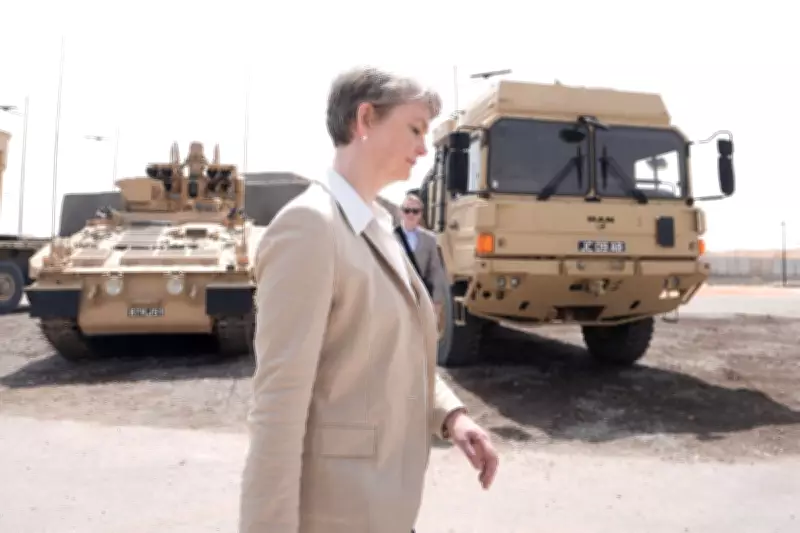
Foreign Secretary Yvette Cooper has declared that Iran "cannot hold the global economy hostage" as the G7 group of leading democracies convened to address the escalating Middle East crisis. The urgent meeting in Vaux-de-Cernay, France, followed former US President Donald Trump's repeated postponement of threatened "energy plant destruction" against Iran over its effective closure of the Strait of Hormuz.
Vital Shipping Lane Disruption Sparks Global Price Surge
The Strait of Hormuz represents a critical global supply route for oil and gas, with Iran's selective blockade already driving up energy prices worldwide. Speaking at the G7 gathering, Ms Cooper emphasized the international consensus on freedom of navigation, stating: "We want to see a swift resolution that reaches regional stability and security and opens the Strait of Hormuz."
She further elaborated: "Iran cannot be able to just hold the global economy hostage as a result of a strait which is about international shipping routes and the freedom of navigation that has been so strongly supported at the United Nations, but also by countries across the world."

Trump's Contradictory Statements Amid Strained Alliances
Despite the escalating tensions, Donald Trump insisted via his Truth Social platform that negotiations with Iran were "going very well," even as he pushed back his deadline for progress on the strait until April 6. The former president claimed: "Talks are ongoing and, despite erroneous statements to the contrary by the Fake News Media, and others, they are going very well."
The US-Israel bombing campaign against Iran has significantly strained Washington's traditional alliances, particularly with the United Kingdom. Trump launched a series of personal attacks against Prime Minister Sir Keir Starmer while belittling British naval capabilities during a televised White House cabinet meeting.
British Prime Minister Vows Not to Buckle Under Pressure
Sir Keir Starmer responded defiantly to Trump's criticisms, interpreting them as attempts to pressure him into changing his stance on the Iran conflict. The Prime Minister told Sky News's Electoral Dysfunction podcast: "I think I understand what's happening, it's to put pressure on me in different ways. But that pressure isn't going to make me waver."
He emphasized his unwavering commitment to British national interests, stating: "I'm not going to do so, because I'm the British Prime Minister and I have to act in the British national interest, and I will always act in the British national interest." Sir Keir acknowledged "a clear difference of opinion" with Trump but maintained his desire for a "good relationship" despite recent "hard decisions."
Russia-Iran Cooperation Raises Additional Concerns
Beyond the immediate Strait of Hormuz crisis, Yvette Cooper expressed deep concern about growing military cooperation between Russia and Iran. She highlighted how Iranian drones provided to Russia have been deployed in strikes against Ukraine, while simultaneously noting that "we have also seen support from Russia provided to Iran in the Middle East conflict as well."
This complex web of alliances complicates international efforts to maintain pressure on President Vladimir Putin over his invasion of Ukraine while simultaneously addressing the Gulf crisis. The Foreign Secretary's comments underscore the interconnected nature of global security challenges facing Western democracies.
Naval Capabilities Become Point of Contention
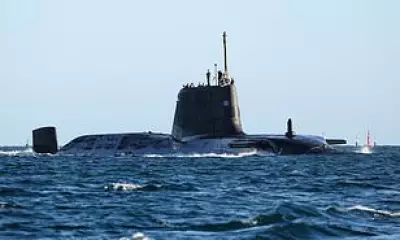
Trump's disparaging remarks about British aircraft carriers HMS Queen Elizabeth and HMS Prince of Wales added another layer of tension to the diplomatic rift. The former president dismissed the vessels as "toys compared to what we have," while criticizing NATO allies for doing "absolutely nothing" to assist in the Middle East conflict.
This public belittling of British military assets occurred alongside Trump's characterization of Sir Keir Starmer's position as "a big mistake," creating a multifaceted diplomatic challenge for the UK government as it navigates both the Strait of Hormuz blockade and strained transatlantic relations.