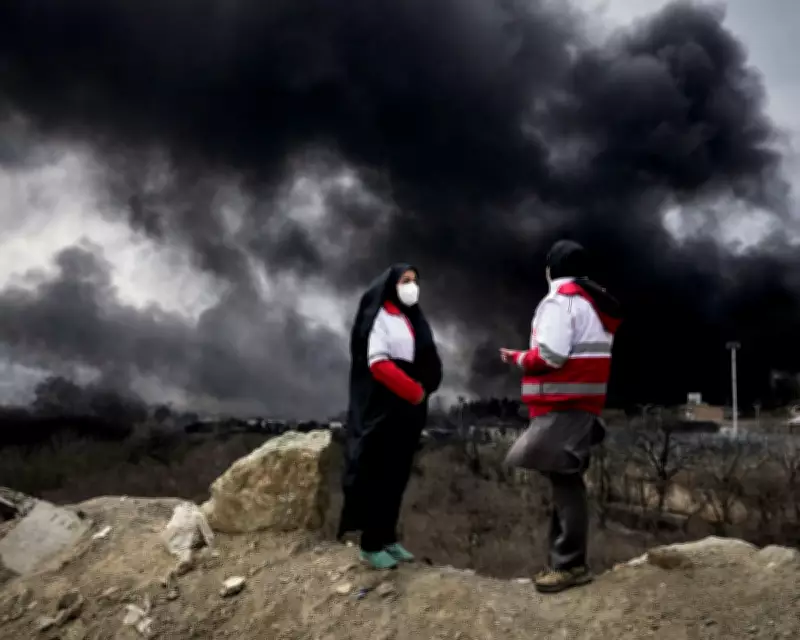
In a significant escalation of the ongoing Middle East conflict, Iran has launched an attack on a fully loaded crude oil tanker off the coast of Dubai, setting it ablaze. Local authorities have confirmed that response teams successfully contained the incident, with no oil leakage reported and no injuries sustained. This aggressive move comes amid heightened tensions in the region, as various nations and factions engage in military and diplomatic maneuvers.
Trump Issues Stark Warning Over Hormuz Strait
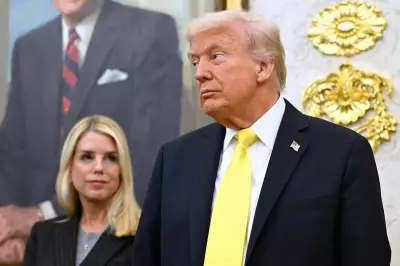
Former US President Donald Trump has issued a stark warning, threatening to obliterate Iran's energy plants and oil wells if the country does not open the Strait of Hormuz. This vital maritime chokepoint is crucial for global oil shipments, and its closure could have severe implications for international energy markets. Trump's statement underscores the volatile nature of the current geopolitical landscape, with the US taking a hardline stance against Iranian actions.
Israeli Military Casualties and Hezbollah Clashes
The Israeli military has reported that four soldiers were killed in combat in southern Lebanon, where forces are clashing with Iran-backed Hezbollah. This development highlights the proxy nature of the conflict, with Iran supporting militant groups across the region. The deaths add to the growing toll of the war, as Israel continues to target what it describes as military infrastructure in Tehran and Hezbollah assets in Beirut.

Diplomatic Breakthroughs and Maritime Transit
In a potential diplomatic breakthrough, two giant Chinese container ships have successfully sailed through the Strait of Hormuz on their second attempt to leave the Gulf, after turning back on Friday. Ship-tracking data indicates this transit, which Lloyd's List reports signals improved relations between Beijing and Tehran. Iran is widening its list of approved nations for transiting the route, suggesting a strategic effort to maintain some level of international trade amidst the hostilities.
International Calls for UN Action and Investigations
Indonesia's foreign minister has called for an emergency UN Security Council meeting and a thorough investigation into what he termed a heinous attack, following the deaths of three UN peacekeepers from Indonesia in southern Lebanon. This appeal reflects growing international concern over the humanitarian and security impacts of the war, with multiple nations seeking diplomatic resolutions to prevent further escalation.
Power Cuts and Missile Strikes in Tehran
Iranian media reported blasts heard in Tehran and power cuts affecting some areas of the capital on Tuesday. These incidents occurred after Israel carried out missile strikes on what it called military infrastructure in Tehran and infrastructure used by Hezbollah in Beirut. Additionally, two Iranian missile launches targeted central Israel, according to Israeli media, with emergency services reporting no injuries from these attacks.
Regional and Global Coordination Efforts
Turkey reported that a ballistic missile launched from Iran entered Turkish airspace before being shot down by NATO air and missile defenses, highlighting the spillover risks of the conflict. Meanwhile, Japan and Indonesia have agreed to step up coordination on energy security, as stated by Japanese PM Sanae Takaichi on Tuesday. This move indicates that nations are preparing for potential disruptions to energy supplies, emphasizing the global ramifications of the Middle East war.
The situation remains fluid, with ongoing military engagements, diplomatic initiatives, and international reactions shaping the course of the conflict. As developments unfold, the world watches closely, aware of the profound implications for regional stability and global security.