Eyewitness to History: The 1979 Iranian Revolution Unfolds
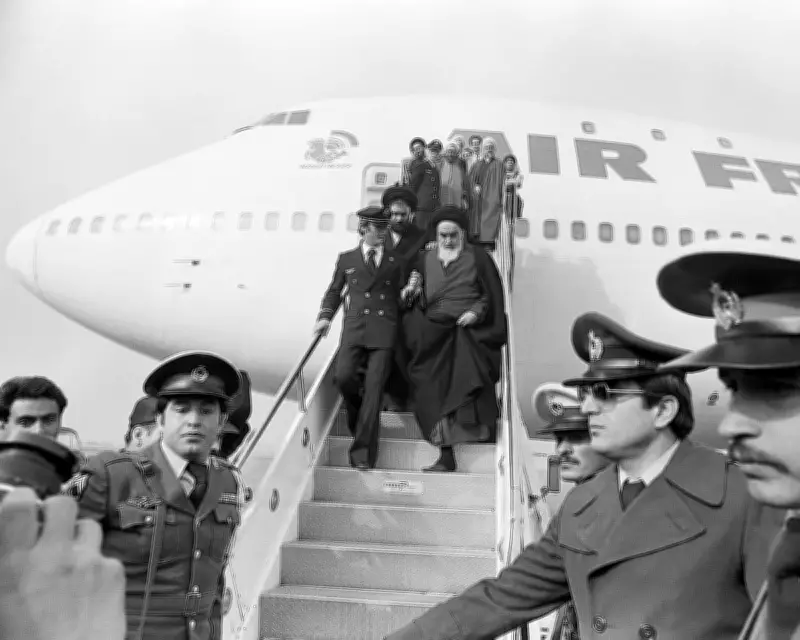
As Iran grapples with turmoil today, I reflect on my front-row view of the 1979 revolution that toppled Shah Mohammad Reza Pahlavi. Back then, as a young Reuters correspondent in Paris, I had no inkling of the austere Islamic republic that would emerge under Ayatollah Ruhollah Khomeini. Now, watching flames engulf the nation again, I wonder if history is repeating itself grotesquely or if western powers are merely rehashing past errors by pursuing violent regime change from afar.
An Unforgettable Interview with Khomeini
Through contacts with exiled Iranian revolutionaries in Paris, I secured the first foreign journalist interview with Khomeini shortly after his arrival in France. In a modest bungalow in Neauphle-le-Château, I sat cross-legged before him, noting his husky monotone and distant stare. He vowed no compromise with the shah, declared Iran would become an Islamic republic, and dismissed US efforts to intervene. When I asked about foreign oil companies, his translated response—"We will cut off the hand of the foreigner"—sent a chill down my spine, though aides later softened it as a metaphor.
The Revolution's Dark Turn and Foreign Wars
Initially, western reporters like myself were swayed by urbane exiles who painted Khomeini as a progressive father figure. Yet, the reality soon darkened. After the US embassy seizure in November 1979, which I covered from Tehran, the revolution radicalised, pushing liberals aside. Khomeini's masterstroke was creating parallel security forces, like the Revolutionary Guards, to prevent coups while maintaining a facade of republican institutions. This "dual power" structure, reminiscent of Lenin's Russia, has persisted for 47 years.

Foreign aggression, such as Iraq's 1980 invasion backed by the West, only rallied Iranians patriotically, leading to a bloody but successful defence. At home, it justified a reign of terror with mass arrests and executions, targeting "taghoutis" (devils) much like French nobles or Russian elites. Should we journalists have foreseen this? Perhaps, but in early 1979, it wasn't inevitable that repressive fundamentalism would triumph in such a sophisticated society.
Modern Parallels and Foreign Meddling
Decades later, during reformist President Mohammad Khatami's tenure from 1997 to 2005, hopes for easing repression were dashed by hardliner Ali Khamenei. Today, I see little cause for optimism in events like Khamenei's assassination by US-Israeli bombing or his son Mojtaba's rise. Leaders like Donald Trump and Benjamin Netanyahu seem more intent on destroying Iran as a threat than fostering genuine freedom. This cycle of interference echoes past blights, from British trade monopolies in the 19th century to the 1953 coup that reinstated the shah after oil nationalisation.
Once again, foreigners seek to shape Iran's destiny, likely worsening outcomes for a nation that deserves better. As a senior visiting fellow at the European Policy Centre, I urge reflection: history teaches that external meddling often backfires, perpetuating regimes rather than liberating people.