Jay-Z Speaks Out on Sexual Assault Lawsuit and Hip-Hop Culture in Candid GQ Interview
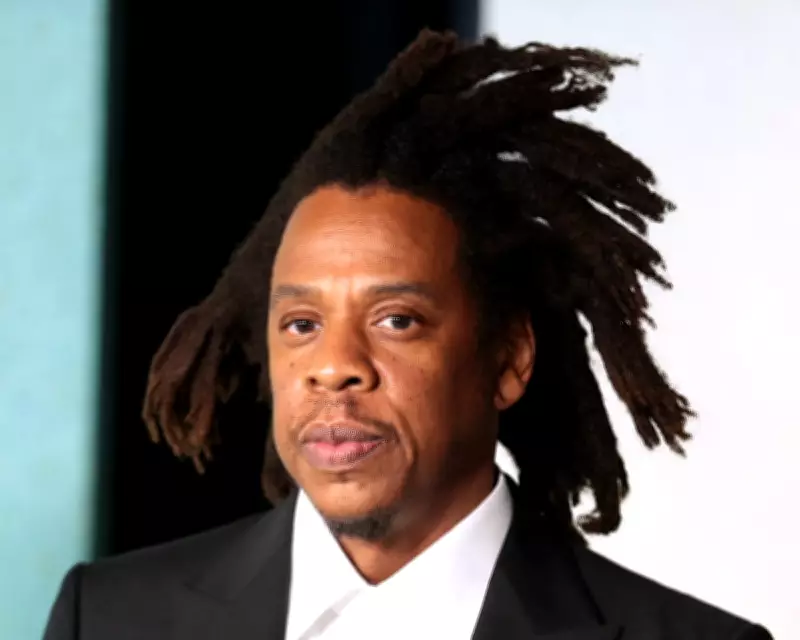
In a revealing new cover story for GQ magazine, rap icon Jay-Z has broken his silence on the sexual assault lawsuit filed against him in late 2024. The lengthy four-hour conversation also touched upon the high-profile feud between Kendrick Lamar and Drake, as well as broader cultural issues within hip-hop.
The Lawsuit Allegations and Jay-Z's Response
The lawsuit, which was voluntarily dismissed in February 2025, alleged that Jay-Z and fellow musician Sean "Diddy" Combs raped a 13-year-old girl at a party following the 2000 MTV Music Awards. Both men vehemently denied all accusations from the outset, with Jay-Z's attorney Alex Spiro calling the claims "provably, demonstrably false" and based on an "impossible timeline."
Jay-Z described the emotional toll of the allegations, stating, "It was hard. Really hard. I was heartbroken. We're in a space now where it's almost like consequence is not thought about enough. Because everything is so instant, you know what I'm saying?"

The rapper expressed particular anger about the nature of the accusations, emphasizing the gravity of such claims. "I was angry. I haven't been that angry in a long time, uncontrollable anger. You don't put that on someone – that's a thing that you better be super sure [about]. It used to be like that. You had to be super sure before you put those kind of things on a person," he told GQ.
Why Jay-Z Refused to Settle the Case
Perhaps the most striking revelation from the interview was Jay-Z's explanation for why he chose to fight the lawsuit rather than settle with the anonymous accuser. "I can't take a settlement – it ain't in my DNA," he declared.
The musician detailed his thought process, beginning with informing his wife Beyoncé about the situation. "First of all, first I had to tell my wife. Let's back up. I know the weight that this is going to bring on our family. I can't do it. I would die," Jay-Z revealed.
While acknowledging that settling would have been "cheaper, quicker, move on with your life," he emphasized his commitment to clearing his name. He also noted the support he received from business partners, who immediately offered assistance without hesitation.
Reflections on Kendrick-Drake Feud and Hip-Hop Culture
Beyond the legal matters, Jay-Z shared his perspective on the much-publicized conflict between Kendrick Lamar and Drake. While acknowledging hip-hop's tradition of competitive sparring, he expressed concern about modern escalations.
"We love the excitement and I love the sparring, but in this day and age there's so much negative stuff that comes with it that you almost wish it didn't happen," he said.
The rapper specifically criticized how such conflicts play out on social media, noting, "I don't know if it's helpful to our growth where the fallout lands, especially on social media. It's too far. It's bringing people's kids in it. I don't like that. I sound like the old guy wagging his finger, but I think we can achieve the same thing, as far as sparring with music, with collaborations more so than breaking the whole thing apart."
Commentary on Political Climate and Hip-Hop
Jay-Z also addressed what he perceives as political attacks on hip-hop culture, stating, "There is clearly an agenda to silence voices in our community, a heavy rightwing agenda. And the culture is happily playing along in the name of this insane thirst of Stan culture to have something on the other side. We are in a strange time."
Interview Context and Upcoming Performances
The GQ interview was conducted to commemorate the 30th anniversary of Jay-Z's groundbreaking debut album Reasonable Doubt. This July, the rapper will celebrate this milestone with two special performances at New York's Yankee Stadium, dedicated to both Reasonable Doubt and its acclaimed follow-up, 2001's The Blueprint.
Throughout the conversation, Jay-Z maintained his innocence regarding the sexual assault allegations while offering rare insight into his personal principles and perspective on contemporary hip-hop controversies.