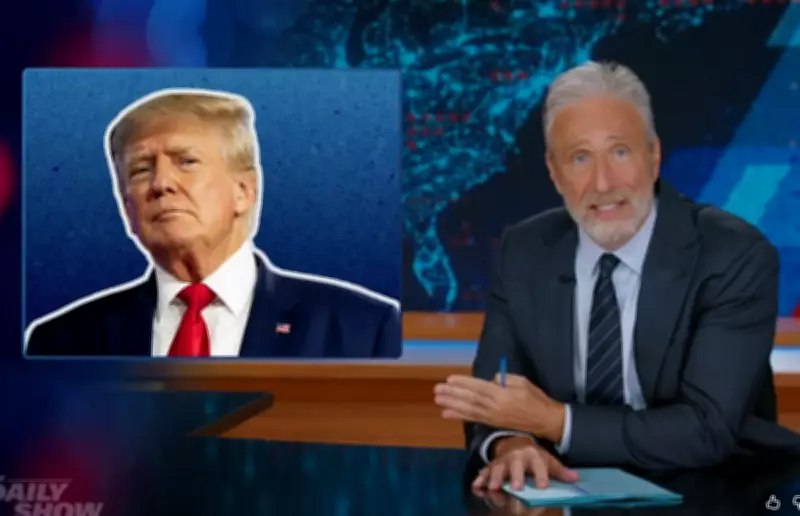
In a recent episode of his show, comedian and political commentator Jon Stewart delivered a sharp critique of former President Donald Trump's approach to Iran, highlighting tensions in international diplomacy. Stewart, known for his incisive satire, used his platform to dissect Trump's policies, arguing that they have exacerbated regional instability and failed to achieve long-term peace.
Stewart's Monologue on Trump's Iran Strategy
During his monologue, Stewart pointed to specific actions taken by the Trump administration, such as the withdrawal from the Iran nuclear deal and the imposition of sanctions. He emphasised that these moves have not only strained relations with Iran but also alienated key allies, creating a more volatile geopolitical landscape. Stewart's analysis drew on recent events and historical context, making his critique both timely and thought-provoking.
Impact of Political Satire on Public Discourse
Stewart's commentary has reignited discussions about the role of political satire in shaping public opinion. By blending humour with serious analysis, he has made complex foreign policy issues more accessible to a broader audience. This approach has been praised for encouraging civic engagement, though some critics argue it oversimplifies nuanced diplomatic matters.

The monologue also touched on broader themes of leadership and accountability, with Stewart questioning the effectiveness of Trump's 'America First' doctrine in dealing with international crises. He suggested that a more collaborative and nuanced strategy might be necessary to address the challenges posed by Iran and other global actors.
Reactions and Broader Implications
Responses to Stewart's critique have been mixed, with supporters applauding his boldness and detractors accusing him of bias. Regardless, the episode has sparked conversations about the future of U.S.-Iran relations and the importance of informed political discourse. As tensions in the Middle East continue to evolve, Stewart's insights serve as a reminder of the power of media to influence public understanding and policy debates.