State Department Oil and Gas Experts Dismissed Months Before Iran Conflict
A new investigative report has revealed that the Trump administration eliminated key oil and gas experts from the State Department just months before launching military action against Iran, a move that critics argue left the United States unprepared for the subsequent surge in global energy prices. According to NOTUS, citing nine former government officials who spoke anonymously, these dismissals occurred during a broader federal job reduction initiative led by the Department of Government Efficiency in July.
Critical Expertise Lost Ahead of Crisis
The layoffs specifically targeted staffers who maintained vital relationships with oil and gas companies across the Middle East, as well as personnel responsible for contingency planning for potential disruptions in the Strait of Hormuz. This strategic waterway is a crucial conduit for international trade, handling approximately twenty percent of the world's oil supply. The reductions resulted in the loss of roughly 1,300 positions at the State Department, with the Bureau of Energy Resources being pared down to focus solely on clean energy and critical minerals initiatives.
"Before any of this should have happened, there should have been discussion about what are the implications of this, and what happens when the Strait of Hormuz turns off," a former employee of the Bureau of Energy Resources stated, highlighting the lack of preparatory dialogue. Another ex-staffer accused the administration of "dismantling the framework" that could have mitigated the impact on oil and gas markets.

Administration Response and Escalating Conflict
Geoffrey Pyatt, who served as an assistant secretary of state for energy resources during the Biden administration, commented on the situation, noting, "I'm sure [Secretary of State Marco Rubio] wishes he had that expertise available today. Most of that institutional knowledge was lost with the elimination of the bureau and reduction-in-force initiatives last fall." In response, a State Department spokesperson asserted that the department is actively addressing the energy crisis, coordinating strategic reserve releases with allies and promoting increased exploration and production globally.
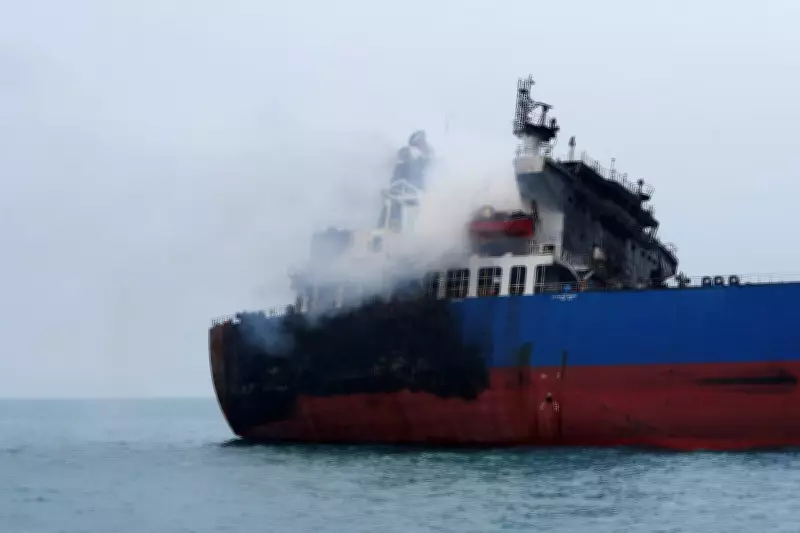
The conflict, initiated jointly by the U.S. and Israel on February 28, has escalated rapidly, with Iran retaliating by attacking oil and gas infrastructure throughout the Gulf region and targeting multiple Middle Eastern nations. These assaults have compelled countries like Qatar and Kuwait to reduce production, while repeated strikes on tankers in the Strait of Hormuz have caused a significant decline in maritime traffic. President Trump expressed surprise at Iran's broad offensive, stating, "Nobody expected that."
Soaring Prices and Public Concern
The war's repercussions have been starkly felt in energy markets, with oil prices repeatedly exceeding $100 per barrel in recent weeks. According to AAA, the national average price for a gallon of gasoline reached $3.79 on Tuesday, a sharp increase from $2.91 the previous month. Despite this, Trump has downplayed the economic impact, describing elevated oil prices as a "very small price to pay" for global security.
Energy Secretary Chris Wright warned that Americans might experience pain at the pump for "weeks," but not longer, announcing the release of 172 million barrels from the Strategic Petroleum Reserve to alleviate costs. Additionally, reports indicate plans for an international coalition to escort vessels through the Strait of Hormuz, with Defense Secretary Pete Hegseth assuring the public not to "worry" about the waterway, citing prior planning for such disruptions. However, recent polling shows that over half of Americans oppose the war against Iran, reflecting growing public discontent with the administration's handling of the crisis.