US and Iran Exchange Military Blows in Middle East Escalation
Late on Monday, the United States and Iran engaged in a significant military exchange, marking a dangerous escalation in their ongoing conflict. Iranian drones targeted a large Kuwaiti oil tanker near the critical Strait of Hormuz, while American forces conducted airstrikes on an Iranian ammunition depot in the city of Isfahan. These simultaneous attacks have heightened fears of a broader regional war and disrupted global oil markets.
American Airstrikes Target Iranian Military Site
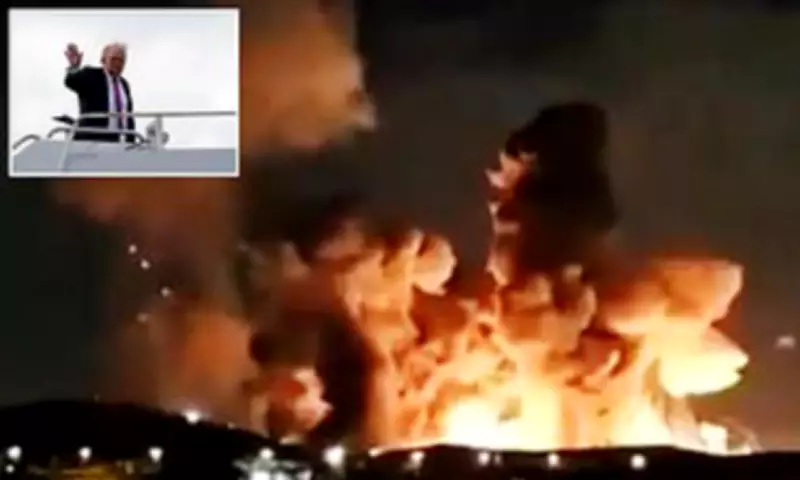
Former President Donald Trump shared a video on his Truth Social platform depicting the US strike in Isfahan. The footage showed 2,000-pound bunker buster bombs detonating, causing massive fireballs and secondary explosions that lit up the night sky. An American official confirmed the video's authenticity, stating it captured the Isfahan strikes and that the US employed these powerful munitions.
Fire-tracking satellites from NASA indicated the explosions occurred near Mount Soffeh, an area known to host military installations. Isfahan is particularly significant as it houses one of Iran's three uranium enrichment sites, which was previously bombed by the US during a 12-day conflict between Iran and Israel in June. American intelligence suggests that a portion of Iran's highly enriched uranium is stored there, with US officials hinting at potential ground operations to seize these materials.

Iranian Drone Attack on Kuwaiti Oil Tanker
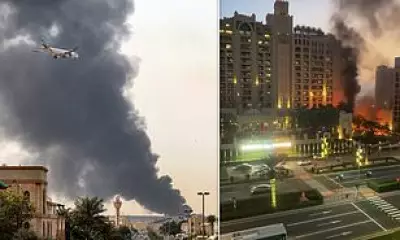
In a separate incident, Iranian drones struck the fully loaded Al Salmi tanker, a Kuwaiti crude oil vessel, while it was anchored at Dubai Port in the United Arab Emirates. The attack damaged the tanker's hull and ignited a fire onboard, raising immediate concerns about a potential oil spill in the surrounding waters. Kuwait Petroleum Corporation (KPC), the parent company of the tanker's owner, reported that maritime firefighting teams successfully extinguished the blaze. All 24 crew members were confirmed safe, with no injuries reported.
The Al Salmi was carrying two million barrels of oil from Kuwait and Saudi Arabia, destined for Qingdao, China, according to data from Lloyd's List Intelligence and TankerTrackers. This attack is the latest in a series of assaults on merchant vessels in the Gulf and Strait of Hormuz since the US and Israel initiated hostilities against Iran on February 28.
Economic and Diplomatic Fallout
The news of the tanker attack caused Brent crude futures to surge over two percent to $115.17 per barrel in early Asian trading, though prices later retreated slightly. Trump has issued stark warnings, threatening to "completely obliterate" Iranian energy resources, including power plants, oil wells, and the Kharg Island oil export hub, if a deal to end the war is not reached promptly. He also suggested potential attacks on desalination plants, which supply drinking water, raising legal and humanitarian concerns under the laws of armed conflict.
Trump claims to be making diplomatic progress, allegedly negotiating with Iranian Parliament Speaker Mohammad Bagher Qalibaf through Pakistani intermediaries, though Tehran denies any direct talks. Iranian officials have dismissed these negotiations as a cover for increased US troop deployments, with Qalibaf vowing to "set American troops on fire" if they invade. The US has bolstered its military presence in the Middle East to approximately 50,000 troops, including recent deployments of Marines, sailors, and Army personnel.
Broader Regional Implications
The conflict has now entered its fifth week, with Iran retaliating by striking a key water and electrical plant in Kuwait and targeting an oil refinery in Israel. Trump's aggressive stance, including comments about seizing Iranian oil similar to operations in Venezuela, has further inflamed tensions. The Strait of Hormuz, a vital waterway for global oil shipments, remains a flashpoint, with Iran threatening to mine the Persian Gulf if US troops advance.
As damage assessments continue on the Al Salmi tanker and Isfahan site, the international community watches closely, with the risk of a prolonged war threatening regional stability and energy security worldwide.