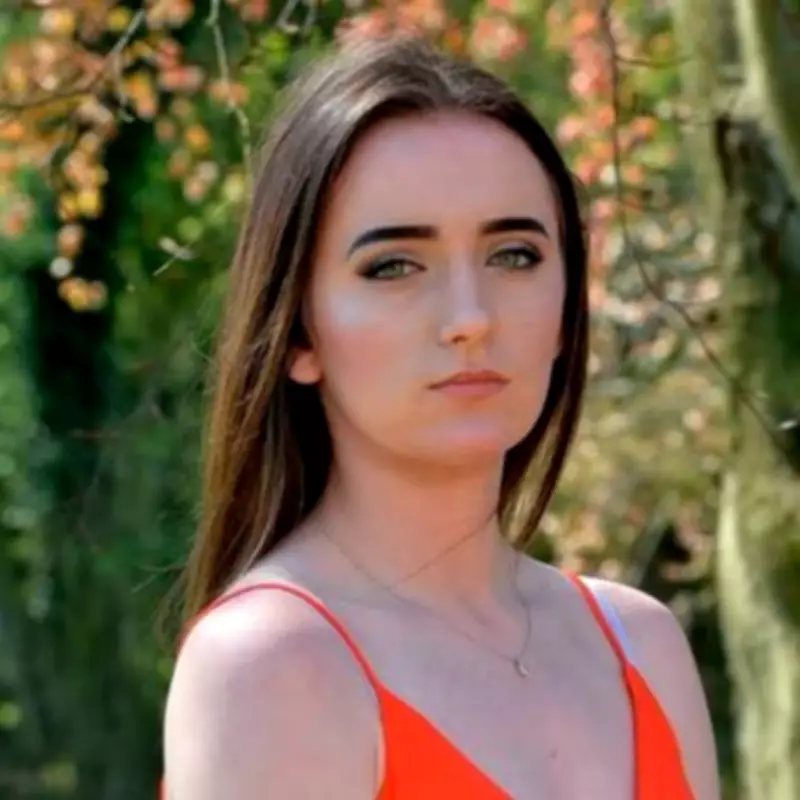
The daughter of notorious Soham murderer Ian Huntley has expressed profound disgust after police officers approached her with questions about potentially contributing towards his funeral expenses. Samantha Bryan, Huntley's biological daughter who never met her father, has firmly refused any involvement in funeral arrangements or financial responsibility for the killer's final rites.
Police Inquiry Sparks Outrage
Samantha Bryan met with two police officers on March 17, just ten days after Huntley's death following a brutal prison attack. During the thirty-minute meeting, officers reportedly asked if she wanted to take on responsibility for funeral arrangements, mentioning that "there would be quite a bill involved." Bryan immediately rejected the suggestion, stating she had nothing to do with Huntley in life and wanted nothing to do with him in death.
A Legacy of Violence and Tragedy
Ian Huntley became one of Britain's most reviled criminals after being convicted for the 2002 murders of ten-year-old best friends Jessica Chapman and Holly Wells in Soham, Cambridgeshire. The 52-year-old was serving a life sentence with a minimum term of forty years when he died on March 7 following a violent prison assault.

Throughout his incarceration, Huntley faced multiple brutal attacks from fellow inmates. In 2005, he was scalded with boiling water at HMP Wakefield. Five years later, he suffered a severe slash wound to the throat from a makeshift weapon. His final assault occurred at HMP Frankland in Durham, where he was attacked with a metal bar, sustaining skull fractures, brain damage, and a broken jaw.
Family Disassociation and Legal Complexities
Samantha Bryan, who lives in Cleethorpes, Lincolnshire, told The Sun newspaper: "He does not deserve the dignity of a funeral after what he did. I don't want any involvement." She emphasized that she wouldn't attend any funeral service and didn't want to receive his ashes.
Legal experts note that managing financial and estate matters for prisoners can be particularly complicated. Paul Hewitt, a partner in trust, estate and inheritance disputes at Withers law firm, explained that prisoners like Huntley must entrust whatever assets they have to family members or advisors, but accessing financial advisers from prison presents significant challenges.
Prison Violence and Fatal Consequences
Huntley's violent death followed years of being targeted by other inmates. Damien Fowkes, who admitted to attempting to murder Huntley in 2010, inflicted a seven-inch neck wound using a razor blade melted onto plastic cutlery. After the attack, Fowkes reportedly asked a prison officer: "Is he dead? I hope so."
The final assault that proved fatal left Huntley in a medically induced coma with ventilator support during his last days. His mother, Lynda Richards, who managed to visit him, reportedly couldn't recognize her son after the extensive injuries. The primary suspect in the fatal attack has been identified as triple killer Anthony Russell.
Uncertain Funeral Arrangements
With Samantha Bryan refusing any involvement, and Huntley's inquest scheduled to begin next month, funeral arrangements remain uncertain. No date has been set for services, and questions persist about who will ultimately bear responsibility for the costs and arrangements.
The case highlights the complex moral and practical questions surrounding the deaths of notorious criminals, particularly when family members have deliberately distanced themselves from the perpetrator's crimes and legacy. Samantha Bryan's firm rejection of any funeral involvement underscores the lasting trauma inflicted by Huntley's actions, extending even to his biological relatives who had no relationship with him.