DHS Secretary Mullin Floats Radical Airport Customs Proposal Targeting Sanctuary Cities
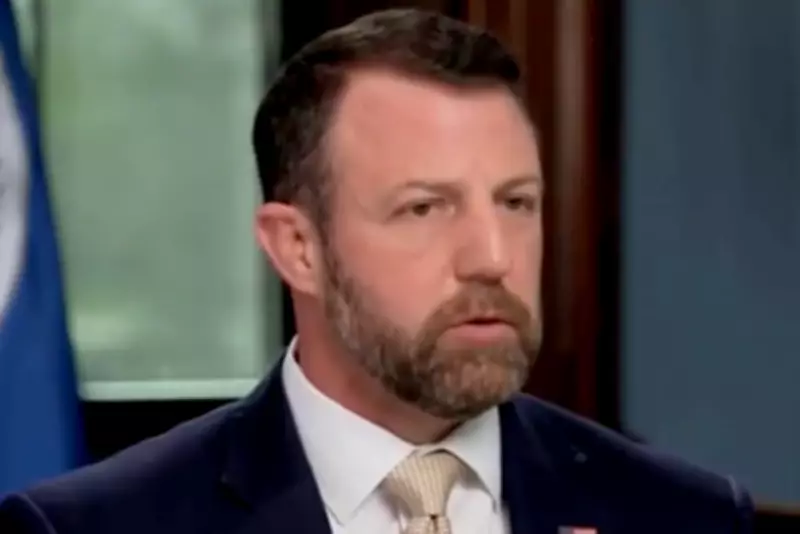
Markwayne Mullin, the newly appointed Secretary of Homeland Security, has ignited a political firestorm by suggesting that major US airports located in sanctuary cities could be stripped of their federal customs and immigration processing services. This controversial idea, floated during a Fox News interview, represents a significant escalation in the ongoing battle between the Trump administration and jurisdictions that limit cooperation with federal immigration enforcement.
Targeting International Gateways in Non-Cooperative Cities
In his first major policy suggestion since replacing Kristi Noem in March, Mullin specifically questioned whether sanctuary cities with international airports should continue processing customs arrivals. "If they're sanctuary cities and they're receiving international flights - and we're asking them to partner with us at the airport, but once they walk out of the airport, they're not going to enforce immigration policy - maybe we need to have a really hard look at that," Mullin told interviewer Bret Baier.
The Homeland Security chief emphasized that his department needs to "focus on cities that want to work with us" and prioritize resources accordingly. When pressed about whether this could mean removing customs services from major airports, Mullin responded that the government needs to start "prioritizing things" and making difficult decisions about partnerships.

Immediate Backlash from Political Opponents and Experts
California Governor Gavin Newsom launched a scathing attack on the proposal via social media, branding it as "stupid" and warning of severe economic consequences. "If you thought the economy was bad with Trump's war driving prices at the pump up ... just wait until international travel is halted at some of the busiest airports in the world," Newsom wrote, directly linking the suggestion to the Trump administration's policy direction.
Immigration policy experts joined the criticism, with Aaron Reichlin-Melnick of the American Immigration Council warning that such a move would "massively disrupt international air travel into and out of the United States" with far-reaching international ramifications. The proposal would potentially affect numerous major transportation hubs, given that as of August 2025, twelve states, eighteen cities, four counties, and the District of Columbia maintained sanctuary jurisdiction status.
Major Transportation Hubs Potentially Affected
The list of sanctuary cities includes some of America's most significant international gateways:
- New York City (John F. Kennedy International Airport)
- Los Angeles (LAX)
- San Francisco (SFO)
- Chicago (O'Hare International Airport)
- Philadelphia (Philadelphia International Airport)
- Boston (Logan International Airport)
- Seattle (Seattle-Tacoma International Airport)
- Denver (Denver International Airport)
- New Orleans (Louis Armstrong New Orleans International Airport)
According to tourism data from Visit California, international passengers represent approximately twenty percent of the traffic through California's ten busiest airports, highlighting the substantial impact such a policy change could have on travel and commerce.
Broader Context of Immigration Policy Battles
Mullin's suggestion emerges against a backdrop of intense political conflict over immigration policy. The Department of Homeland Security has become increasingly controversial during Trump's second term, particularly under the previous leadership of Kristi Noem, who oversaw what critics describe as a "brutal crackdown" on immigration that flooded federal agents into cities nationwide.
The funding situation adds another layer of complexity, with federal funding for DHS having lapsed in February. Democrats have demanded restrictions on Immigration and Customs Enforcement (ICE) and Customs and Border Protection (CBP) as conditions for renewed funding, while both agencies currently operate using resources from what the administration calls the "One Big Beautiful Bill."

During his interview, Mullin also made controversial claims about Democratic intentions, alleging plans to defund Customs and Border Protection while mistakenly referring to the agency as "Customs and Border Patrol." His comments reflect the administration's hardening stance toward jurisdictions that resist federal immigration enforcement priorities, potentially setting the stage for dramatic confrontations over airport operations and international travel infrastructure.