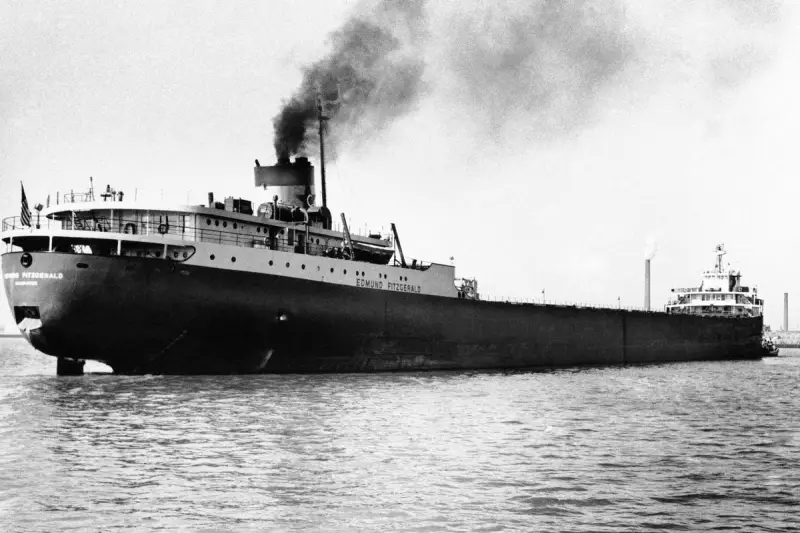
The Great Lakes, North America's magnificent freshwater system, are experiencing unprecedented water level surges that have scientists and coastal communities deeply concerned. Recent data reveals that Lake Superior, the largest and deepest of the chain, has reached water heights not seen in generations.
Record-Breaking Measurements
According to the latest hydrological surveys, Lake Superior's water levels have climbed to remarkable heights, marking one of the most significant increases in modern recording history. This surge isn't isolated to Superior alone—neighbouring lakes Michigan and Huron are showing similar patterns, creating a regional phenomenon that's reshaping shorelines and threatening infrastructure.
Coastal Communities Under Threat
The rising waters are already causing substantial erosion along vulnerable coastlines. From Milwaukee to Detroit, property owners and municipal authorities are witnessing first-hand the destructive power of these elevated lake levels. Beachfront properties are losing ground at alarming rates, while public infrastructure including roads and parks faces increasing flood risks.
Climate Connections
Meteorologists point to changing precipitation patterns and reduced ice cover during winter months as primary contributors to this worrying trend. The region has experienced heavier-than-average rainfall in recent years, combined with warmer temperatures that limit evaporation. This delicate hydrological balance appears to be shifting, creating long-term concerns for the entire Great Lakes basin.
Economic and Environmental Impacts
The consequences extend beyond immediate property damage:
- Shipping and maritime industries face navigation challenges
- Coastal ecosystems are being reshaped and displaced
- Municipal water treatment facilities encounter new operational hurdles
- Tourism and recreation sectors experience both benefits and drawbacks
Local governments are now forced to reconsider coastal management strategies and invest in protective measures that were previously unnecessary.
Looking Ahead
While water levels in the Great Lakes have historically fluctuated, the current trends suggest we may be entering a new normal. Researchers continue to monitor the situation closely, recognising that these changes could have far-reaching implications for the millions who depend on the lakes for drinking water, transportation, and economic livelihood.
The coming years will be crucial in understanding whether these elevated levels represent a temporary anomaly or a permanent shift in the region's hydrological character.