Former Prince Andrew Faces Mounting Pressure to Testify on Epstein Connections
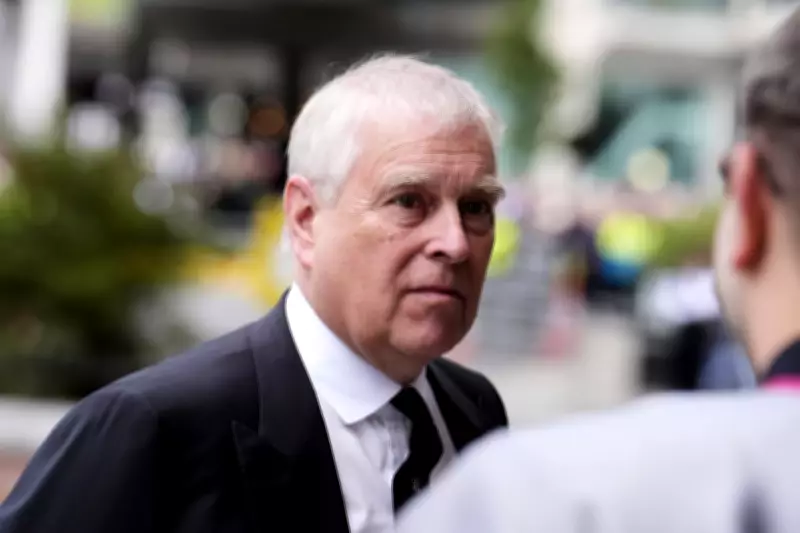
Former Prince Andrew, whose reputation was severely damaged six years ago following a catastrophic BBC interview about his relationship with convicted sex offender Jeffrey Epstein, is now facing renewed demands to provide evidence to investigators. However, constitutional experts and legal analysts suggest he is highly unlikely to voluntarily subject himself to such scrutiny again.
Growing Calls for Testimony Amid Document Releases
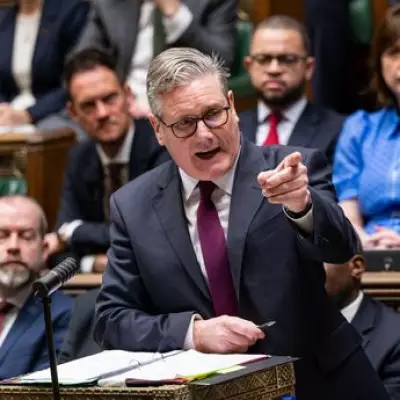
The pressure on Andrew Mountbatten-Windsor, as he is now formally known, has intensified following the latest release of documents from the U.S. Justice Department's investigation into Epstein. These files have revealed additional troubling details about the connections between the two men, prompting Prime Minister Keir Starmer, U.S. congressmen, and lawyers representing Epstein's victims to call for Andrew's cooperation.
Attorney Gloria Allred, who represents many of Epstein's victims, stated this week that Andrew has a moral obligation to provide any evidence that could assist investigators in understanding how Epstein was able to abuse numerous women over an extended period, and who else might have been involved in these crimes.

The Ghost of Newsnight Past
The shadow of Andrew's disastrous 2019 BBC Newsnight interview with Emily Maitlis looms large over current discussions about potential testimony. During that encounter, Andrew was widely ridiculed for offering implausible explanations for his continued association with Epstein following the financier's 2008 conviction, and for displaying a notable lack of empathy toward the victims.
"If you view the Newsnight evidence as a precedent, then who knows what Andrew would say or how he would come across in what would be some very, very hostile questioning — far more hostile than he faced from Emily Maitlis," said Craig Prescott, an expert on constitutional law and the monarchy at Royal Holloway, University of London. "It's very difficult to see how that is, in a sense, in the interests of Andrew to do that voluntarily."
Diminished Status and Limited Incentives
Andrew's circumstances have changed dramatically since his ill-fated interview. Last autumn, King Charles III stripped his brother of royal titles, including the right to be called a prince, as part of efforts to distance the monarchy from the ongoing Epstein revelations that have tarnished the royal family for over a decade. The former prince has also been ordered to vacate Royal Lodge, the 30-room mansion near Windsor Castle that served as his home for more than ten years.
Legal expert Mark Stephens, who handles international and complex cases at Howard Kennedy in London, suggests Andrew has little to gain from cooperating with investigators. "There will be huge pressure and calls for him to testify, but I don't think that even if he gets there, even if he gives evidence, it's going to reveal anything meaningful," Stephens observed. "I would fully expect him to take the fifth, as Americans say, the privilege against self-incrimination. And so I don't think, beyond his name, he's going answer any of the questions either by turning up or not turning up."
Revealing Documents and Previous Caution
The recently released documents contain several noteworthy details, including indications that Epstein sought to arrange a date between Andrew and a "beautiful" 26-year-old Russian woman, and that the former prince offered Epstein dinner at Buckingham Palace. The files also include emails from Sarah Ferguson, Andrew's ex-wife, in which she referred to Epstein as a "legend" and "the brother I have always wished for."
Andrew has previously demonstrated considerable caution regarding communication with U.S. authorities. Following his withdrawal from royal duties in 2019, he announced willingness to assist "any appropriate law enforcement agency" with their Epstein investigations. However, documents released last year revealed that ten months of negotiations between Andrew's lawyers and federal prosecutors ultimately failed to secure his testimony.

His legal team rejected proposals for direct interviews, either in person or via video, instead suggesting written responses—a format they argued was perfectly acceptable in British courts. On September 23, 2020, prosecutors abandoned attempts to secure a voluntary interview and indicated they would begin formal proceedings to compel Andrew's testimony under the Mutual Legal Assistance Treaty between the U.S. and U.K. There remains no indication that such an interview ever occurred.
The Victims' Perspective
Despite Andrew's assertions that he possesses no knowledge of Epstein's crimes, Gloria Allred maintains that the released documents demonstrate he has at least some understanding of the parties Epstein hosted and how he utilized young women to influence his network of wealthy, powerful associates.
"He's not the one who should decide whether he knows anything that could help in the investigation," Allred told the BBC. "I am saying it's not too late, and he does have information that he can share that may help them."
As pressure mounts from multiple directions, the central question remains whether Andrew will break his silence or continue to avoid the kind of public interrogation that previously proved so damaging to his reputation and standing within the royal family.