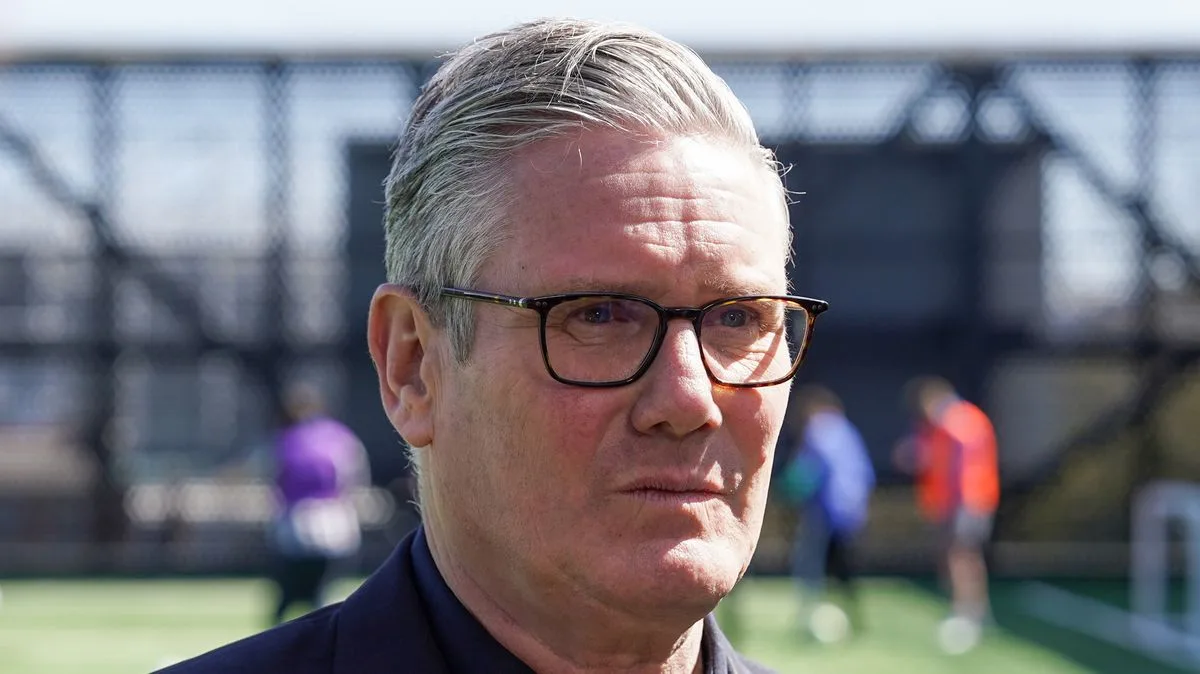
Senior Labour MPs have launched a furious revolt against Prime Minister Keir Starmer following his startling admission that he was aware of Peter Mandelson's ongoing relationship with convicted sex offender Jeffrey Epstein before appointing him as US ambassador. The revelation has plunged the Labour government into one of its most severe crises since taking office, with multiple figures calling for Starmer's resignation and describing the situation as potentially terminal for his leadership.
Damning Admission Sparks Immediate Backlash
After months of evasion and careful political maneuvering, Sir Keir was finally forced to concede that he knew about Mandelson's connections to Epstein when he brought the controversial peer back into government. Downing Street confirmed that the Prime Minister was informed that Mandelson had maintained his friendship with Epstein even after the financier's 2008 conviction for child sex offences, and that the former minister had continued staying at Epstein's properties while he was imprisoned and following his release.
The admission has horrified Labour's parliamentary party, with one former minister describing it as "one of the worst days of Starmer's premiership so far" while others went significantly further in their condemnation. "It's time for a fresh start," a former minister told the Guardian, with another warning they were uncertain whether they could support the Prime Minister in any potential confidence vote.
Allies Struggle to Mount Defence
Even Starmer's closest political allies found themselves unable to mount an effective defence, with one cabinet minister admitting that Mandelson's appointment was "very hard to defend" and represented "yet another self-inflicted wound" for the government. The sense of crisis deepened as another minister told the Times the situation felt "terminal" for Sir Keir, while a third described his performance during Prime Minister's Questions as "physically painful" to witness.
The controversy has also engulfed Starmer's chief aide, Morgan McSweeney, who is understood to have played a pivotal role in Mandelson's appointment. Multiple MPs have called for McSweeney's resignation, stating they have "lost confidence" in him and that his position has become "untenable" given the circumstances.
Vetting Process Under Intense Scrutiny
It has emerged that when Mandelson was appointed towards the end of 2024, Sir Keir received a two-page document from the Cabinet Office ethics team that summarised potential conflicts of interest and previous scandals. According to sources, this document - described by one insider as "cut and pasted from Google" - contained information already in the public domain regarding Mandelson's Epstein connections.
The document reportedly included a warning from a 2019 internal JP Morgan report stating that "Jeffrey Epstein appears to maintain a particularly close relationship with Prince Andrew… and Lord Mandelson, a senior member of the British government." Details about Mandelson's stays at Epstein's properties, including during 2009 when Epstein remained in prison, were also clearly outlined. This, it appears, constituted the extent of the vetting Mandelson underwent before his controversial appointment.
Commons Clashes Force Further Revelations
The Prime Minister's admission followed intense pressure in the House of Commons, where Kemi Badenoch deployed a rare parliamentary procedure to force the government to release key documents surrounding Mandelson's appointment. Sir Keir insisted he would release all relevant documents except those pertaining to national security and international relations, a position Badenoch dismissed as inadequate.
"The national security issue was appointing Mandelson in the first place," Badenoch declared. "This is not about national security; this is about the Prime Minister's job security." She described Starmer's decision to proceed with the appointment despite the known Epstein connections as "absolutely shocking."
Starmer's Defence and Mounting Criticism
During angry Commons exchanges, the Prime Minister claimed he had been "lied to repeatedly" by Mandelson and insisted that proper processes had been followed. He told MPs he acted swiftly to dismiss Mandelson last year when it emerged the peer had advised Epstein to appeal against his conviction for soliciting a minor.
"I am as angry as the public about the conduct of my former ally," Starmer stated. "He lied repeatedly to my team when asked about his relationship with Epstein… I regret appointing him." He maintained that vetting documents would confirm "the extent to which, time and time again, Mandelson completely misrepresented the extent of his relationship with Epstein and lied throughout the process."
However, this defence has failed to satisfy critics within his own party. Dame Emily Thornberry, Labour chairman of the foreign affairs committee, argued the entire fiasco could have been avoided if the Prime Minister had allowed Mandelson to be properly interviewed by MPs rather than rushing through the political appointment.
Growing Calls for Resignation
The scandal has prompted unprecedented criticism from across the political spectrum, with John McDonnell, Jeremy Corbyn's former deputy, telling Sky News: "I've never called for him to go but I have lost confidence in him. The decisions around Mandelson pushed me over the edge." This sentiment reflects growing unease within Labour ranks about Starmer's judgment and leadership capabilities.
The controversy represents a significant escalation of the Mandelson-Epstein scandal that has dogged the Labour government since Mandelson's appointment as US ambassador last year. The peer was eventually ousted from the position last September following further revelations about his Epstein connections, but the political fallout continues to intensify with potentially devastating consequences for Starmer's premiership.