Doreen Lawrence Accuses Daily Mail of Exploiting Her Family's Tragedy for 'Credibility'
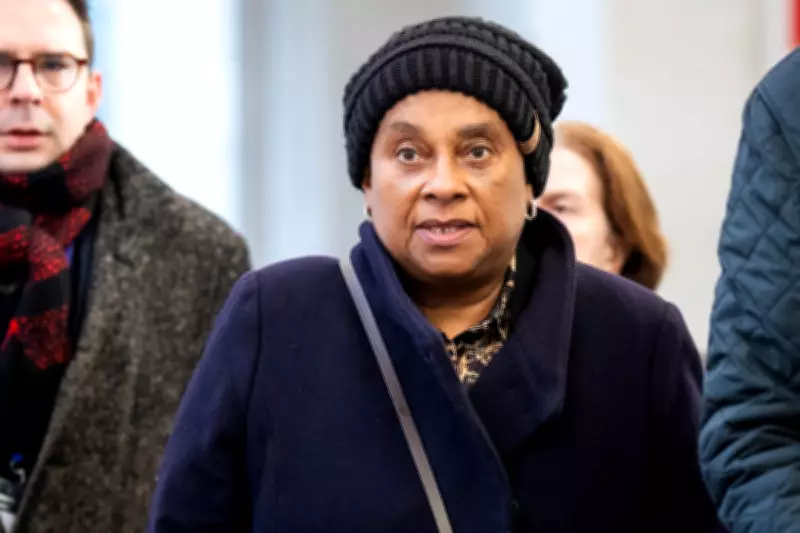
Baroness Doreen Lawrence has delivered powerful testimony at the High Court, alleging that the Daily Mail newspaper exploited her family's tragedy to gain credibility while pretending to support her quest for justice. The mother of Stephen Lawrence, who was murdered in a racist attack in 1993, is bringing a claim against Associated Newspapers Limited (ANL), the publisher of the Daily Mail.
Painful Betrayal of Trust
During her emotional evidence, Lady Lawrence revealed she found the court proceedings "very painful" because she had developed trust with both the newspaper and journalist Stephen Wright over many years. "I thought we had a relatively good relationship with him and I have been played for such a long time," she told the court.
The peer continued: "To find out now that after all that time, the level of trust that I had built up, to find that all that time he's been lying to me and pretending that he was supporting my case and supporting getting justice for Stephen."

Credibility Claims and Racial Exploitation
Lady Lawrence made the striking allegation that the publication primarily sought "the credibility of supporting a black family" rather than genuine advocacy. She questioned whether the newspaper's motivation was justice or newspaper sales, asking: "Were they really fighting for justice for my son or were they just pretending that they were to sell their papers?"
She expanded on this point: "They've used me and my son to give them credibility for supporting a black family. But at the end of the day, I don't think they have." The Baroness also noted the broader context, questioning how many other black families the publication had genuinely supported.
Legal Context and Wider Claims
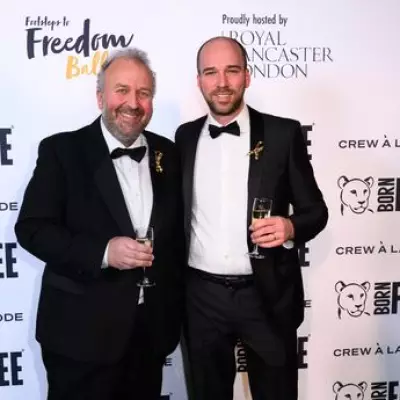
Lady Lawrence is part of a group of seven high-profile individuals bringing legal action against ANL, alleging unlawful information gathering. The group includes the Duke of Sussex, Sir Elton John, and his husband David Furnish. Her specific claims relate to five articles published between 1997 and 2007.
Her legal team contends she was "extensively targeted" by private investigators working for ANL. However, the publisher strongly denies any wrongdoing and is vigorously defending against all claims.
Defence Arguments and Counterclaims
In written submissions, Antony White KC, representing ANL, stated that the allegations concerning Lady Lawrence "are denied in their entirety" and "are unsupported by the available evidence." He characterised the claims as "the product of an attempt by members of the claimants' research team" to present a case based on "spurious and/or discredited information."
The barrister asserted that the information in the contested articles was obtained through "entirely legitimate reporting" and that the publisher could call witnesses to explain sourcing for almost every article alleged to involve phone hacking or tapping.
Mr White also noted that Associated's editors and journalists "are lining up to reject the claimants' allegations of habitual and widespread phone hacking, phone tapping and blagging within the organisation," while acknowledging some use of third-party investigators before April 2007 when such practices were largely banned.
Personal Impact and Grief
Lady Lawrence revealed the profound personal toll of her experiences, stating she felt she had never been able to "grieve for my son properly" due to her dealings with police and media. She explained why she hadn't complained about the articles at the time of publication: "When you're suffering and going through grief, you don't think 'I must make sure that I challenge what is in the newspaper.'"
In her witness statement, she expressed feeling like "a victim again" by people "who I thought were my allies and friends."

Trial Proceedings and Timeline
The trial before Mr Justice Nicklin is scheduled to conclude in March, with a written judgment expected at a later date. The proceedings represent a significant moment in the ongoing scrutiny of media practices and their impact on individuals who have experienced profound personal tragedy.
Lady Lawrence's testimony highlights the complex intersection of media ethics, racial representation, and personal trauma in high-profile legal cases involving press conduct.