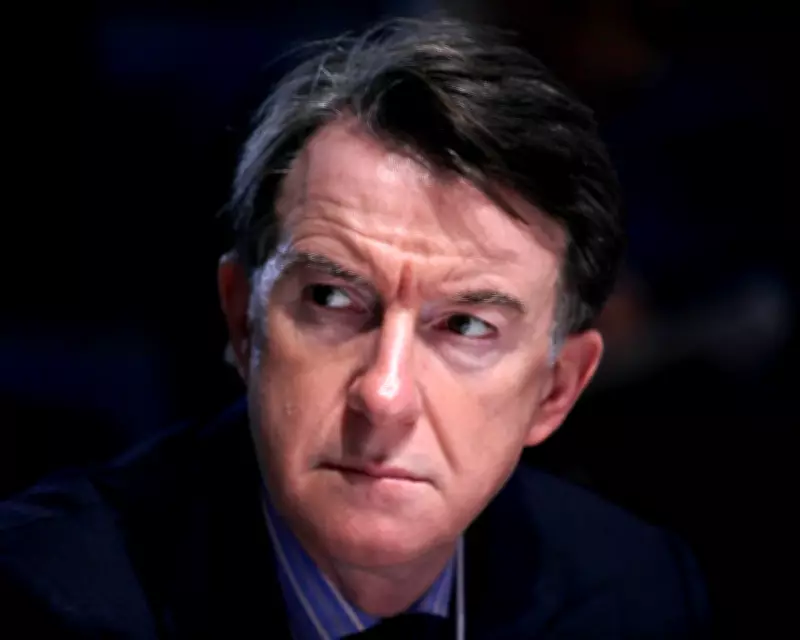
The political career of Peter Mandelson, one of Labour's most enduring and controversial figures, appears to have reached its final conclusion. While journalists have prematurely declared his career over on at least four previous occasions, the latest developments suggest this time it may indeed be definitive.
A History of Resignations and Returns
Mandelson's political journey has been marked by remarkable resilience in the face of repeated scandals. In 1998, he first faced career-ending allegations when it emerged he had accepted an undisclosed loan from a millionaire, forcing his resignation as trade secretary. Remarkably, he returned to cabinet just three years later as Northern Ireland secretary, only to resign again over another controversy involving favours for wealthy individuals.
After serving as a European commissioner, Mandelson made yet another comeback to cabinet. Following Labour's 2010 general election defeat, incoming leader Ed Miliband appeared to signal the end of Mandelson's political journey, stating "All of us believe in dignity in retirement" when explaining why he wouldn't offer Mandelson a position.

The Epstein Connection and Final Fall
Keir Starmer, however, provided Mandelson with what many considered a dream appointment: ambassador to the United States. This opportunity proved short-lived when, in September, Mandelson was dismissed over his past associations with the late Jeffrey Epstein, a convicted child sex offender.
The situation escalated dramatically last night as further revelations emerged from the Epstein files, prompting Mandelson to resign from the Labour Party entirely. In his statement, Mandelson explained he was leaving primarily to prevent "further embarrassment" to the party.
Financial Transactions and Political Influence
Documents from the Epstein files suggest Epstein paid Mandelson $75,000, a claim Mandelson disputes as false and based on inaccurate documentation. However, he has not contested another significant revelation: that in 2009, he advised Epstein on how investment bank JPMorgan should lobby his cabinet colleague, then-chancellor Alistair Darling, against a proposed tax on bankers' bonuses.
Financial Times journalist Jim Pickard reports that Epstein emailed Mandelson asking whether the new tax might only apply to the cash portion of bonuses. Mandelson responded within minutes: "Trying hard to amend as I explained to Jes last night. Treasury digging in but I am on case."
Epstein replied with "let me know before jes please," apparently referring to Jes Staley, then a senior banker at JPMorgan. Two days later, on December 17, Epstein emailed Mandelson asking whether Jamie Dimon, JPMorgan's chief executive, should "call darling one more time?" Mandelson's response was succinct: "Yes and mildly threaten."
Today's Political Agenda
While Mandelson's departure dominates political headlines, Westminster continues with its scheduled business:
- Morning: Kemi Badenoch and Mel Stride, the shadow chancellor, are conducting a visit in London
- 11.30am: Downing Street holds its regular lobby briefing
- Morning: Nick Thomas-Symonds, the EU relations minister, meets with his EU counterpart Maroš Šefčovič, who also has meetings with Chancellor Rachel Reeves and Business Secretary Peter Kyle
- 2.30pm: Defence Secretary John Healey takes questions in the House of Commons
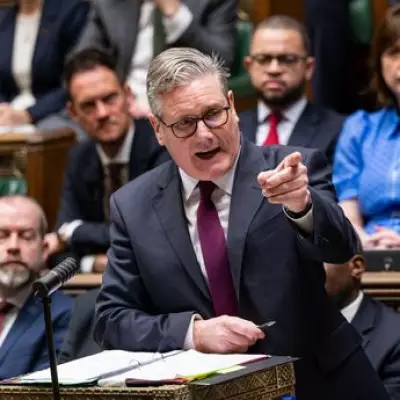
- After 3.30pm: Keir Starmer is expected to make a statement to MPs about his recent trip to China
The Mandelson saga serves as a stark reminder of how past associations can resurface with devastating consequences, even for politicians who have previously weathered multiple storms. His departure marks the end of an era for Labour and closes one of the most turbulent chapters in modern British political history.