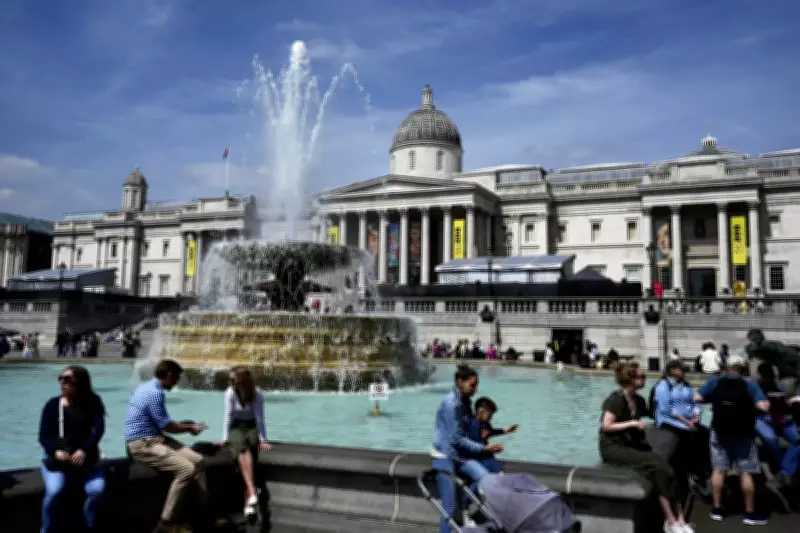
The UK government is actively exploring proposals to introduce entry charges for international tourists visiting the country's most prominent national museums. This initiative aims to generate additional funding for the cultural sector, which has faced financial pressures in recent years.
Review and Recommendations
The proposal stems from a comprehensive review conducted by Baroness Margaret Hodge, which advocated for limiting free entry at iconic institutions such as the British Museum and the National Gallery. According to the review, implementing fees for overseas visitors could provide a sustainable revenue stream to support museum operations and exhibitions.
Digital ID System Challenges
A key aspect of the plan involves the use of digital identification systems to differentiate between domestic and international visitors. However, such a system is not currently in place, raising concerns about its feasibility and implementation costs. Critics, including the Cultural Policy Unit, argue that this requirement could inadvertently affect British citizens, potentially complicating access for locals.

Alternative Funding Suggestions
In response to the proposed charges, some stakeholders have suggested alternative measures. For instance, a hotel levy has been proposed as a less intrusive way to raise funds without deterring international tourism. Research conducted by the Art Fund reveals that 72 per cent of the public believe any revenue generated from a tourist tax should be specifically allocated to maintaining free entry for national museums, ensuring accessibility for UK residents.
Potential Impacts on Tourism
Opponents of the plan warn that introducing charges could significantly reduce the number of international tourists visiting UK museums, which are currently major attractions. This could have broader economic implications, affecting local businesses and the tourism industry as a whole. The debate highlights the delicate balance between securing funding and preserving the cultural appeal that draws millions of visitors annually.
As discussions continue, the government will need to weigh these factors carefully, considering both the financial benefits and the potential risks to the UK's cultural and tourism sectors.