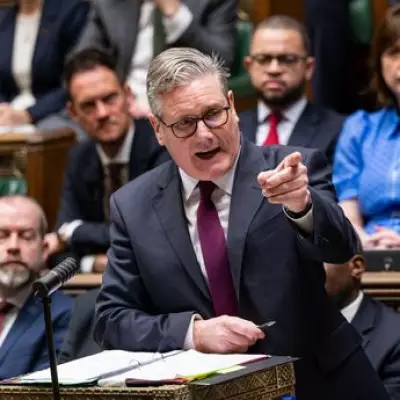
British Prime Minister Keir Starmer has delivered a significant public apology to the victims of the late financier Jeffrey Epstein, directly addressing the controversial appointment of Peter Mandelson as the United Kingdom's ambassador to Washington. The apology, delivered during a speech on Thursday, marks a notable moment of political accountability concerning the diplomatic posting.
Formal Apology for Diplomatic Appointment
In his address, Prime Minister Starmer explicitly stated his regret for having believed what he described as Mandelson's falsehoods regarding his relationship with Epstein. "I am sorry... for having believed Mandelson's lies and appointed him," Starmer declared, acknowledging the distress caused to Epstein's victims by the decision. The prime minister revealed that Mandelson had previously downplayed his connections, portraying Epstein as someone he "barely knew," a characterisation that has since been contradicted by emerging evidence.
Revelations Prompting the Apology
The apology follows the release of newly disclosed documents which have shed further light on the extent of Mandelson's close association with Epstein. These revelations have intensified scrutiny over the initial appointment, despite Starmer having already dismissed Mandelson from the ambassadorial role in September. That dismissal came after the publication of emails demonstrating that Mandelson maintained a friendship with Epstein even after the financier's 2008 conviction for sex offences involving a minor.

The ongoing disclosure of correspondence and records has provided fresh, detailed insights into their relationship, applying renewed political pressure on the Prime Minister regarding his judgement in making the high-profile diplomatic appointment. This situation underscores the complex challenges of vetting for senior government positions when historical associations come to light.
Starmer's public contrition represents a direct response to victims' groups and public concern, aiming to address the ethical implications of the appointment. The episode continues to raise questions about due diligence processes within Whitehall for senior diplomatic postings and the lasting impact of associations with convicted individuals on public office.