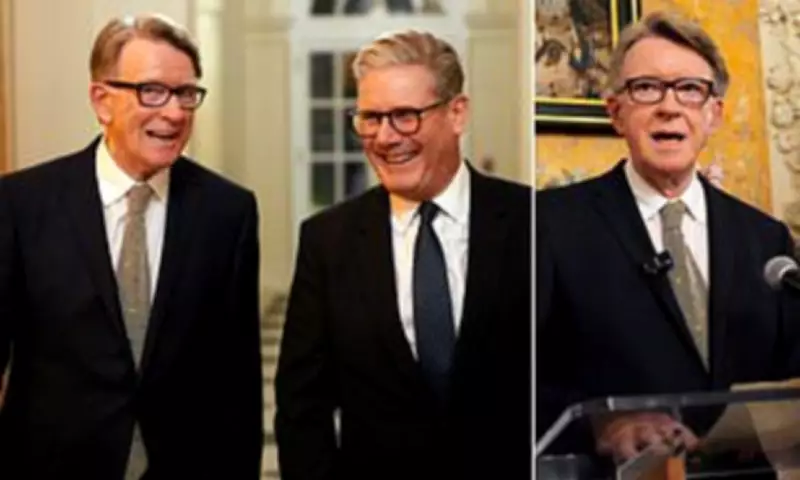
Sir Keir Starmer's premiership has been plunged into a severe crisis following his admission that he appointed Lord Peter Mandelson as US ambassador despite being fully aware of the Labour peer's continued friendship with the convicted paedophile Jeffrey Epstein. After months of evasion, the Prime Minister was compelled to confess that he proceeded with the controversial appointment even after officials explicitly warned him about Mandelson's ties to Epstein.
Damning Revelations and Official Warnings
Downing Street has confirmed that Sir Keir was informed not only about the enduring friendship but also that Mandelson had stayed at Epstein's residence while the disgraced financier was imprisoned and after his release. The disclosure has ignited a firestorm of criticism from across the political spectrum, raising profound questions about the Prime Minister's judgment and the integrity of the appointment process.
Inadequate Vetting and Public Domain Details
It is understood that when Mandelson was appointed towards the end of 2024, Sir Keir received a two-page document from the Cabinet Office ethics team. This document, described by one source as seemingly 'cut and pasted from Google', outlined well-rehearsed conflicts and previous scandals, including the Epstein connection. The matters were all in the public domain, featuring a warning from a 2019 internal JP Morgan report that highlighted Epstein's 'particularly close relationship' with both Prince Andrew and Lord Mandelson, then a senior member of the British government.

Specific details were provided about Mandelson's stays at Epstein's home, including a visit in 2009 while Epstein was still serving his prison sentence for child sex offences. This, it appears, constituted the extent of the vetting Mandelson underwent before his appointment to one of the most sensitive diplomatic roles.
Commons Clashes and Political Fallout
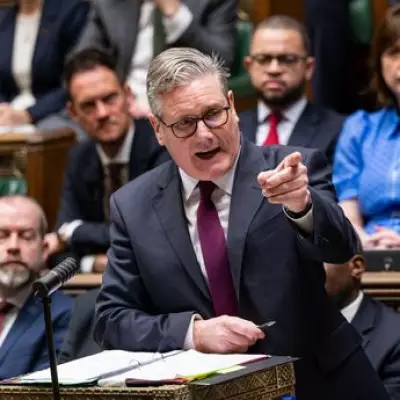
During angry exchanges in the House of Commons, the Prime Minister claimed he had been 'lied to repeatedly' by Mandelson and insisted that the proper 'process' had been followed. However, he now faces intense scrutiny from all sides regarding his own decision-making. Kemi Badenoch, who forced the admission from Sir Keir, described his choice to press ahead as 'absolutely shocking'.
The admission came after Mrs Badenoch deployed a rare parliamentary procedure to compel the Government to release key documents surrounding the appointment. While Sir Keir stated he was willing to release all documents except those pertaining to national security and international relations, Mrs Badenoch retorted: 'The national security issue was appointing Mandelson in the first place... This is not about national security; this is about the Prime Minister's job security.'
Swift Dismissal and Regret
Sir Keir maintained that he acted promptly to dismiss Mandelson last year when it emerged that the peer had advised Epstein to appeal against his conviction for soliciting a minor. Addressing MPs, the Prime Minister expressed his anger, stating he was 'as angry as the public' about his former ally's conduct. He admitted, 'He lied repeatedly to my team when asked about his relationship with Epstein… I regret appointing him.'
Broader Criticism and Calls for Accountability
Dame Emily Thornberry, Labour chairman of the foreign affairs committee, suggested the entire fiasco could have been avoided if the Prime Minister had allowed Mandelson to be interviewed by MPs instead of rushing through the political appointment. Meanwhile, John McDonnell, Jeremy Corbyn's former deputy, went further, calling for Sir Keir's resignation on Sky News: 'I've never called for him to go but I have lost confidence in him. The decisions around Mandelson pushed me over the edge.'
The scandal has not only damaged Sir Keir's credibility but has also cast a long shadow over his administration's commitment to ethical standards and proper vetting procedures for high-profile appointments.