Exclusive Poll Shows Voters Approve Starmer's International Stance
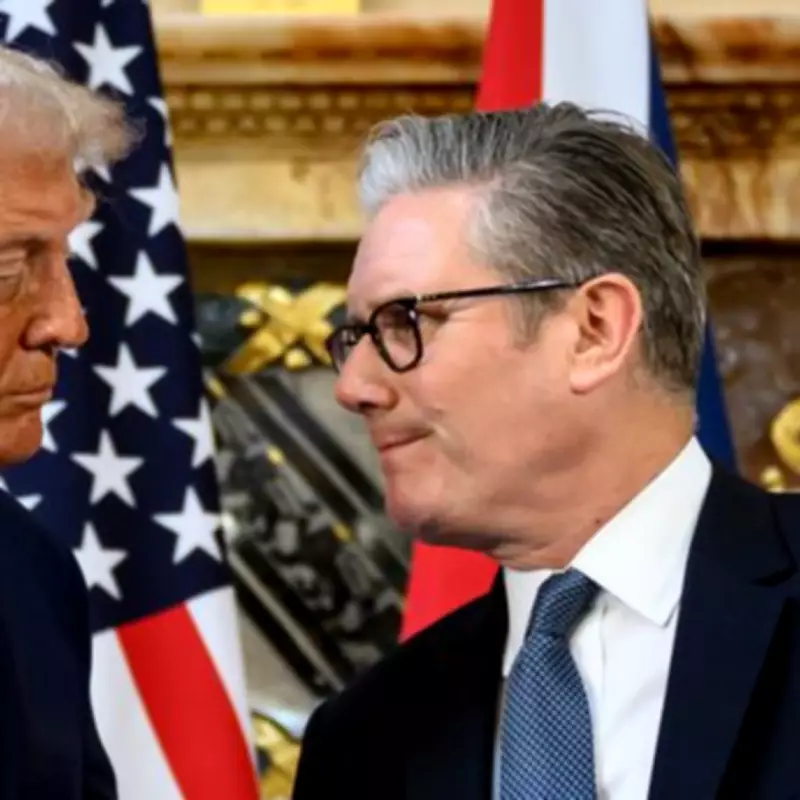
A recent survey conducted by the Good Growth Foundation has revealed that Prime Minister Keir Starmer receives significant voter approval for his handling of key international issues, offering a potential pathway to bolster his political standing. The poll, which involved 2,006 British adults between March 27 and April 3, 2026, indicates that Starmer's decisions to avoid involvement in the Iran conflict, distance from former US President Donald Trump, and strengthen EU relations are viewed favourably by the electorate.
International Successes Highlighted in Poll Results
According to the findings, 43% of respondents—the largest group—believed Starmer made the correct choices in responding to the Iran conflict. Additionally, 38% felt he effectively balanced British values with the US relationship or prioritised national interests appropriately. These results suggest a growing confidence in the Prime Minister's foreign policy approach, which contrasts with his domestic challenges.
Louisa Dollimore, Director of Strategy at The Good Growth Foundation, commented, "Voters clearly rate the Prime Minister's performance on the world stage. It's now a question about how that foreign-policy strength can be used to effect change here at home."

Domestic Issues Remain a Significant Hurdle
Despite the positive feedback on international matters, the poll underscores Starmer's difficulties in convincing voters on domestic fronts. Respondents were least likely to support his efforts in addressing the cost of living crisis, immigration, and the UK economy, with the NHS ranking fourth in areas of concern. This disparity highlights the Prime Minister's ongoing struggle to translate foreign policy successes into tangible benefits for everyday Britons.
Comparative Analysis of Party Leaders
The survey also compared Starmer's performance with other political figures regarding the Iran conflict. Notably, 42% of voters stated that Nigel Farage would have performed worse, including 31% who believed he would have done "much worse." Only 23% thought Farage would have handled the situation better. Similarly, nearly a third of respondents felt Tory leader Kemi Badenoch would have been less effective, with just 22% predicting improvement. For Lib Dem Ed Davey, a third anticipated similar outcomes, while 23% expected worse performance.
Defence Policy as a Bridge Between Domestic and Foreign Concerns
The Good Growth Foundation's report proposes using defence spending to connect Starmer's international popularity with domestic improvements. Recommendations include launching a paid "defence foundation year" for individuals aged 18-24 to facilitate skilled employment and implementing regulations to prioritise British firms in defence contracts. The report emphasises that defence policy can enhance national resilience by supporting cybersecurity measures, protecting the NHS from ransomware attacks, and boosting local economies.
Ms Dollimore added, "It is a false choice to say we must choose between defending Britain abroad and fixing things at home. Defence spending can and should do both. A more resilient Britain is how you secure the public consent needed for traditional defence spending."
Strategic Recommendations for Future Policy
The Foundation advocates for practical steps to leverage defence initiatives, such as:
- Creating targeted skills programmes in cyber, engineering, and logistics for youth not in education or employment.
- Establishing local cyber resilience centres and a national hotline for cybercrime and fraud.
- Directing more defence spending towards British small and medium-sized enterprises to support domestic jobs and supply chains.
These measures aim to demonstrate how security investments can simultaneously strengthen the workforce and public services, thereby building lasting public confidence. As Starmer continues to navigate complex global and domestic landscapes, the poll suggests that focusing on integrated policies may be key to sustaining voter support and achieving a political comeback.