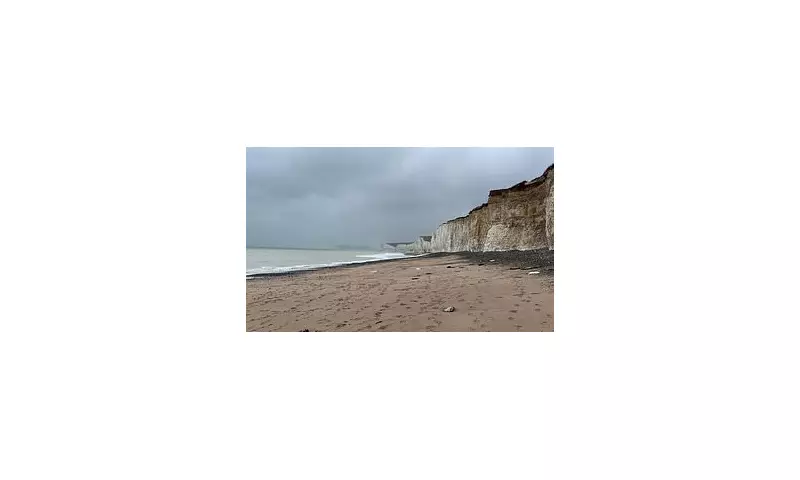
In a remarkable natural event, a Sussex beach that is typically covered in pebbles has been transformed into a sandy expanse following a series of recent storms. Birling Gap beach, situated in East Dean near Eastbourne and famed for its chalky cliffs and numerous rock pools, has changed its appearance dramatically as sand has been uncovered beneath the usual flint pebbles.
A Rare Coastal Phenomenon
The BBC reports that this sandy revelation is not a regular occurrence, with the National Trust confirming it is an unusual sight. A spokesperson explained to the broadcaster that the action of strong waves during storms and high tides can reveal sandy patches on the beach, which are usually covered by pebbles at other times of the year. They noted that this year has seen a higher than usual amount of sand appearing, urging visitors to enjoy it while they can.
Visitor Reactions and Safety Advice
Many locals and visitors have expressed astonishment at the huge change. On a video posted by the Birling Gap - National Trust Facebook page, one commenter stated they had never seen sand there despite living nearby for nearly 29 years. Another added, "It's the first time I see sand there. Amazing!!" Visitor Mary Sievwright, who visited with her mother, remarked that she wished the area had been sandy when her children were young, as the soft ground is much more enjoyable.

The National Trust has issued safety guidance alongside the news, asking all visitors to take care when heading to the beach, check tide times in advance, and keep well away from the cliff base at all times. This caution is particularly relevant given past issues with overcrowding and safety at the site.
Background on Birling Gap's Visitor Challenges
Last year, the coastal hamlet of Birling Gap was dealing with large numbers of day-trippers standing perilously close to cliff edges to admire the views. In response, the National Trust, which manages the attraction, implemented a ban on coaches visiting the area. This move aimed to reduce what was described as a 'tsunami of tourists' and limit damage to the natural environment.
Up to 600,000 visitors a year flock to this stretch of the legendary Seven Sisters chalk cliffs, with non-stop sightseeing tours having previously wrecked grassland, paths, and verges. The ban was said to be the first of its kind imposed by the Trust on one of its attractions, following council warnings about the dangers of straying too close to the cliff edge.
Preservation Efforts and Future Implications
Residents living close to Birling Gap praised the coach ban in April, stating it would help preserve the East Sussex beauty spot for future generations. There were fears that the Trust's action could be a precursor to similar measures in other tourist hotspots, such as the Cotswolds and the Lake District, highlighting ongoing tensions between conservation and accessibility in popular natural sites.
The current sandy transformation adds a new layer to Birling Gap's story, offering a temporary but delightful change for those who visit, while underscoring the dynamic and sometimes fragile nature of Britain's coastal landscapes.