Fresh Deluges Threaten to Exacerbate Widespread Flooding Following Storm Chandra
The United Kingdom faces a renewed threat of significant flooding as forecasters predict further heavy rainfall across already saturated regions. This comes in the direct aftermath of Storm Chandra, which has left the ground waterlogged and communities on high alert.
Met Office Issues Critical Weather Warnings
The Met Office has escalated its alerts by issuing a yellow rain warning for Devon and Cornwall, effective from 9am on Friday through to 6am on Saturday. This warning covers a substantial area stretching from Land’s End to Exeter, where the soil is already sodden from previous downpours.
A separate yellow warning has been activated for Northern Ireland on Friday, forecasting spells of heavy rain that are expected to cause transport disruption and localised flooding. The situation remains precarious, with the Environment Agency reporting 64 flood warnings and 150 flood alerts across England as of Thursday.

Immediate Forecast and Potential Impacts
Meteorologists anticipate outbreaks of rain, heavy at times, to arrive across Cornwall by Friday morning. Widespread rainfall of 10mm to 20mm is likely, with potential accumulations of up to 30mm over the moors and western Cornwall.
"Falling on saturated ground, this may lead to some flooding and disruption," a Met Office spokesman cautioned. "Strong winds are also likely in places, compounding the hazardous conditions."
Severe Flooding and Emergency Response
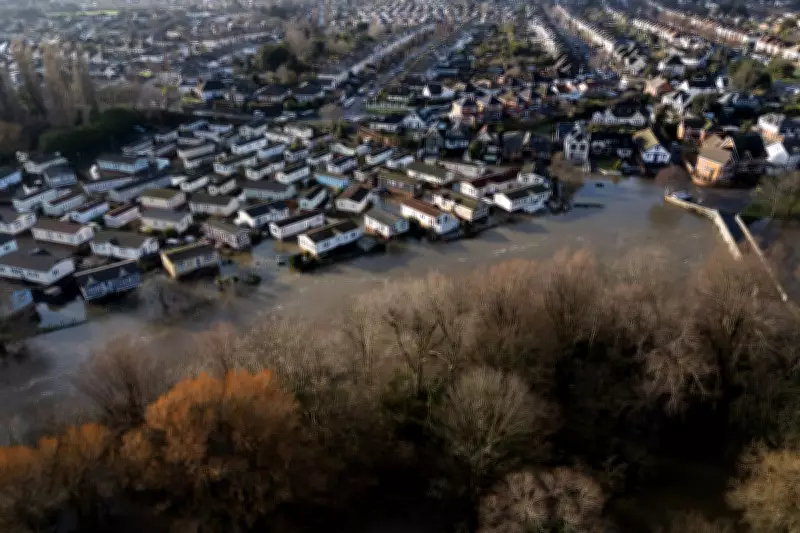
A severe flood warning, indicating a danger to life, remains active for the Lower Stour at Iford Bridge Home Park in Bournemouth. Residents in this area have been instructed to evacuate their properties "as soon as possible" due to the imminent threat.
Floods Minister Emma Hardy expressed her concern, stating: "Flooding is devastating and my thoughts are with the people affected. I am in regular contact with the Environment Agency on their response to the ongoing flooding in Somerset and Dorset."
She emphasised that the Environment Agency, alongside local authorities and emergency services, is taking decisive action to protect communities, urging all residents to adhere strictly to local safety advice.
Ground Operations and Infrastructure Concerns
Environment Agency teams are actively deployed on the ground, operating pumps to remove floodwater as soon as river levels permit. Ultra high-volume pumps are currently in use at critical locations including Northmoor and Saltmoor on the Somerset Levels.
Somerset Council has reported that an estimated 50 properties have already been affected by flooding across several communities, including Ilminster, West Coker, Taunton, Mudford, and West Camel.
Calls for Permanent Flood Defence Upgrades
The Flooding on the Levels Action Group (Flag) has issued a stark warning, highlighting that residents and landowners on the Somerset Levels are confronting the prospect of a potential catastrophic flood for the third time in just twelve years.
The campaign group is calling for an urgent, total upgrade of the pumping station at Northmoor, arguing that repeated reliance on temporary pumps—costing approximately £500,000 per flood event—is neither sustainable nor cost-effective.
"With the costs to the county escalating through road closures, clean-up charges, and damage to the local economy, upgrading the pumping station would represent a more prudent long-term investment," a Flag spokesperson asserted. "While we accept that flooding can never be entirely eliminated, we cannot accept operational delays that make such events feel inevitable when they are often preventable."
Nationwide Flood Alert Status
The flooding threat extends beyond England, with three flood alerts currently in place for Wales. Scotland is also affected, with three flood warnings and two flood alerts active, indicating a widespread weather challenge across the UK.
Storm Chandra, named by the western Europe storm naming group—a collaborative initiative between the UK, Ireland, and the Netherlands—underscores the increasing frequency and intensity of such weather systems affecting the region.