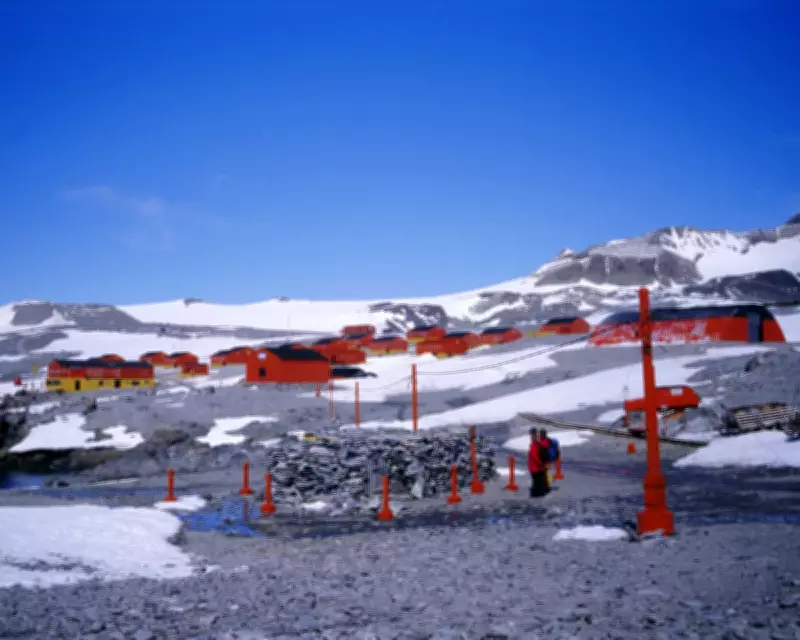
Esperanza Base, situated in Hope Bay, Antarctica, presents a breathtaking spectacle: skies of an exceptionally deep, saturated blue. This remarkable visual phenomenon is scientifically attributed to the region's unique combination of high altitude and extraordinarily low levels of humidity and atmospheric pollution. The pristine conditions create an optical display that captivates visitors and researchers alike.
The Science Behind the Azure Hue
When we gaze skyward, the shade of blue we perceive is fundamentally a product of light scattering. The dominant process at play is Rayleigh scattering, which preferentially scatters shorter wavelengths of light—those at the blue end of the visible spectrum. The blue colour we see is essentially the scattered blue component of white sunlight.
Factors That Dilute the Blue
However, other elements in the atmosphere can alter this effect. High humidity, dust, smoke, and various pollutants contribute to a different type of scattering known as Mie scattering. This process scatters light across a broader range of wavelengths, resulting in a whiter, milkier, or more washed-out appearance in the sky, diminishing the purity and intensity of the blue.

Altitude plays a crucial role. At higher elevations, there is less atmosphere above to scatter light. This reduction means the sky often appears darker, and the blue component can seem more vivid and concentrated, enhancing the perceived depth of colour.
Global Contenders for the Bluest Sky
Many locations around the world are celebrated for their brilliantly blue skies. Destinations like Cape Town in South Africa and Briançon in France often pride themselves on the exceptional clarity and colour of their heavens. Travellers frequently report that skies on holiday appear a deeper, more striking blue than those seen on even the clearest summer days at home.
Spectroscopic studies confirm that measurable differences in sky colour do exist between various global regions. However, a comprehensive, definitive global survey ranking these skies has yet to be conducted, leaving room for informed scientific deduction and anecdotal observation.
Why Antarctica is the Presumptive Champion
Based on the known scientific principles, Antarctica emerges as the most likely global winner for the deepest, most saturated blue sky. It uniquely combines significant altitude with some of the lowest humidity and pollution levels found anywhere on Earth. Visitors to the continent are consistently struck by the sapphire-blue, almost jewel-like quality of the Antarctic sky, a testament to its unparalleled atmospheric purity.
Strong contenders for second place include other high, dry regions such as the Atacama Desert in Chile and the vast Tibetan Plateau. Both are renowned for their extreme altitude and aridity, which similarly minimise the effects of Mie scattering and allow for exceptionally clear, blue vistas.
The quest to understand and appreciate the world's bluest skies continues to blend atmospheric science with the simple, profound wonder of looking up. Antarctica, with its unique environmental conditions, currently stands as the benchmark for this captivating natural phenomenon.