Storm Chandra Aftermath: Britons Share Personal Accounts of Weather Disruption
As the UK recovers from the recent onslaught of Storm Chandra, residents from various regions are coming forward to share their firsthand experiences of how the severe weather has impacted their lives. The storm, which swept across the country with ferocious winds and heavy rainfall, has left a trail of disruption that many are still grappling with in its wake.
Widespread Travel Chaos and Infrastructure Damage
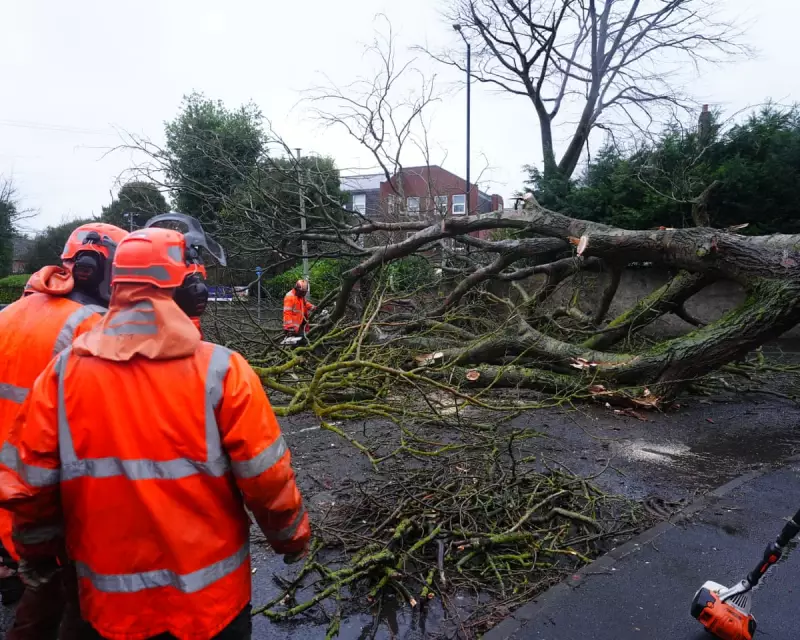
One of the most significant effects reported by individuals involves extensive travel chaos. Numerous commuters found themselves stranded as train services were cancelled or delayed due to fallen trees and flooding on the tracks. Road closures became commonplace, with major motorways experiencing blockages from debris and standing water, leading to lengthy detours and hazardous driving conditions. Public transport networks in urban centres like London and Manchester faced severe strain, with bus routes diverted and underground services running on reduced schedules.
In addition to travel woes, many homeowners have shared stories of property damage caused by the storm's intensity. Roof tiles were torn off by powerful gusts, while flooding infiltrated ground-floor rooms in low-lying areas. Some residents reported power outages lasting several hours, disrupting daily routines and forcing families to rely on emergency supplies. The financial burden of repairs is beginning to weigh heavily on affected households, with insurance claims expected to surge in the coming weeks.

Personal Hardships and Community Resilience
Beyond the physical damage, Storm Chandra has imposed considerable personal hardships. Elderly individuals and those with mobility issues described feeling isolated during the worst of the weather, unable to venture out for essential supplies or medical appointments. Parents recounted the challenge of managing childcare when schools were forced to close unexpectedly, adding to the stress of an already disruptive event.
However, amidst the adversity, tales of community resilience have also emerged. Neighbours banded together to clear fallen branches from driveways, while local volunteers assisted in distributing food parcels to those cut off by flooded roads. Social media platforms became hubs for sharing real-time updates and offering support, showcasing the collective spirit that often arises in times of crisis.
Ongoing Recovery and Future Preparedness
As clean-up efforts continue, many are reflecting on the lessons learned from Storm Chandra. There is a growing call for improved infrastructure resilience, with suggestions for better drainage systems and more robust power grids to mitigate future disruptions. Environmental experts emphasise the need for heightened awareness of climate change's role in intensifying such weather events, urging policymakers to prioritise adaptation strategies.
For now, the focus remains on recovery. Local councils are assessing the full extent of the damage, while meteorological services analyse the storm's patterns to enhance forecasting accuracy. The personal stories shared by Britons serve as a poignant reminder of the human impact behind the headlines, underscoring the importance of community support and proactive planning in the face of nature's unpredictability.