Hundreds of educational institutions across the United Kingdom have been forced to shut their doors today as Storm Chandra unleashes a barrage of severe weather conditions, including powerful winds, torrential rainfall, and more than one hundred active flood alerts. The disruptive storm system has prompted widespread closures, with over 350 schools confirmed shut in Northern Ireland and an additional 47 in Devon, as authorities grapple with the escalating situation.
Severe Weather Warnings and Regional Impacts
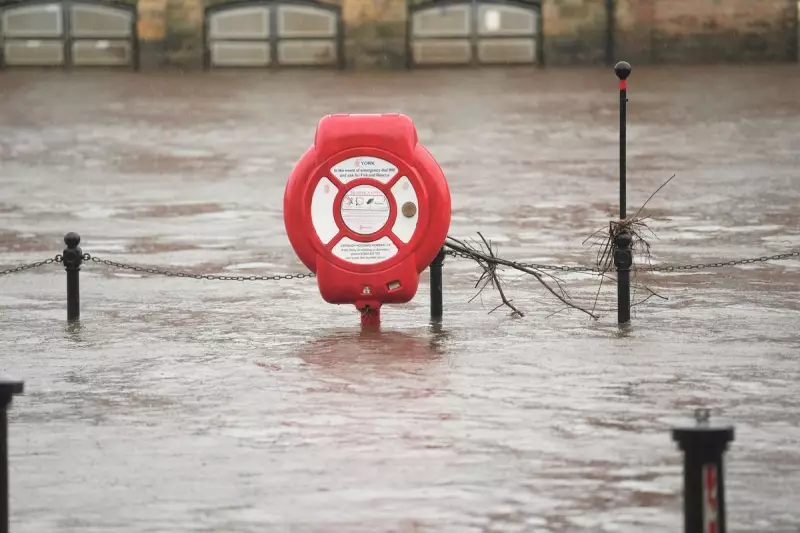
The Met Office has issued a string of weather warnings across the nation, with Northern Ireland experiencing particularly severe conditions. An amber wind warning is in effect for eastern areas, while a yellow warning for both wind and rain blankets all regions. In Devon, the situation has grown critical with a severe flood warning issued for the River Otter, indicating potential danger to life. Firefighters in Devon and Cornwall have already rescued 25 individuals from vehicles trapped in rising floodwaters earlier today.
Widespread Disruption Across Multiple Regions
Yellow weather warnings extend far beyond these hotspots, covering extensive areas including parts of South Wales, Cornwall, the South East, and northern England. Much of southern and central Scotland is also under yellow warnings, creating a complex weather picture affecting millions of residents. Richard Foord, Liberal Democrat MP for Honiton and Sidmouth, described the situation as "a truly horrendous night," confirming that the River Otter had reached its highest recorded level ever.

Foord further warned on social media: "Flooding is expected this morning, with heavy rain continuing to fall throughout the day. We are predicting that some flood defences will be overtopped." This statement underscores the severity of the ongoing crisis as communities brace for further impacts.
Transport Chaos and Infrastructure Failures
The severe weather has created significant travel disruption nationwide, with numerous roads and rail lines forced to close. Air travel has been heavily affected, with multiple airports reporting lengthy delays and some flights from Belfast and Scotland cancelled entirely on Tuesday. Maritime transport has also suffered, with overnight ferries between Liverpool and Belfast cancelled in both directions on Stena Line, and the morning sailing from Belfast to Liverpool remaining in port.
Infrastructure damage extends beyond transportation, with Northern Ireland Electricity reporting approximately 10,000 properties currently without power. Emergency crews are actively responding to these outages as they work to restore essential services to affected communities.
Expert Analysis from the Met Office
Met Office Chief Forecaster Paul Gundersen provided detailed insight into the storm's progression: "Storm Chandra will bring a range of hazards to the UK through Monday night and Tuesday. Initially strong winds will impact the Isles of Scilly, western Cornwall and southwest Wales which are still vulnerable after Storm Goretti, with gusts of 70 to 80mph possible here. Heavy rain presents an additional hazard as it falls on saturated ground in Dorset and southern parts of Devon, Somerset and Cornwall."
Gundersen further explained the complex nature of the weather system: "As Chandra interacts with colder air further north, snow becomes a hazard, with 10-20cm of snow possibly accumulating over higher ground in the Pennines, southern Scotland and the Highlands. With such a complex spell of weather, it's crucial that people stay up to date with the forecast and any warnings in their area."
Checking School Status and Staying Informed
Parents and guardians across England and Wales are advised to check the status of their children's schools through official channels as the situation continues to evolve. The widespread closures reflect the serious nature of the weather conditions and the priority placed on safety during this disruptive period. As Storm Chandra continues to move across the country, residents are urged to monitor local advisories and take necessary precautions against the multiple weather hazards affecting different regions.