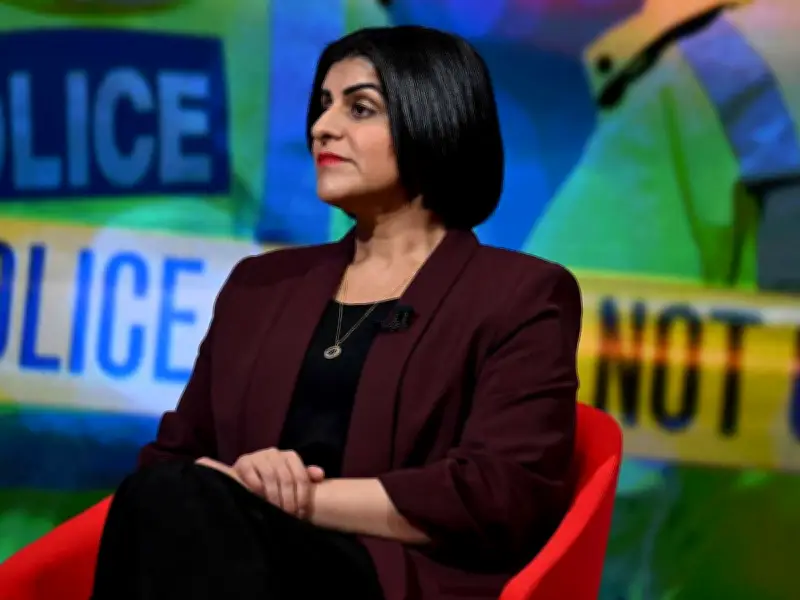
Asylum seekers will be required to pay up to £10,000 towards the cost of their accommodation and support once they start earning, Home Secretary Shabana Mahmood has announced. The full amount must be repaid before they become eligible for settled status, also known as Indefinite Leave to Remain, under new plans set out in the Immigration and Asylum Bill introduced to Parliament today.
Repayment structure similar to student loans
Eligible adults will likely make monthly repayments above a set income threshold, in a system resembling student loan repayments. The Home Office estimates the average cost per person per night of accommodating asylum seekers is £23.25 in dispersal accommodation and £144 in hotels, while subsistence payments range from £9.95 to £49.18 per person per week.
The government reported spending £4 billion on accommodation and support for asylum seekers last year. Home Secretary Mahmood described the cost as “too high,” adding: “We have already reduced asylum costs by £1 billion, but it is also right that we ask those who can contribute to do so. Receiving asylum support is a right, but it is also a responsibility. Once people can contribute and repay the generosity of the British people, we expect them to do so.”

Total repayment amount and adjustments
Asylum seekers are expected to pay around £10,000 in total, though the Home Secretary will have the authority to adjust this amount, the Home Office confirmed. Those who leave the UK while still owing money will be required to repay the full amount if they wish to return at a future date.
The powers to recover these costs are included in the Immigration and Asylum Bill, which was introduced to Parliament on 30 June 2026. The bill also creates a “single route” to prevent migrants from appealing a rejected claim and then bringing further claims on new matters before their removal.
Reduction in hotel use and other reforms
This announcement comes as the Home Office revealed plans to use more former military barracks to house thousands of asylum seekers, aiming to close all asylum hotels by the next election. According to Home Office figures published last month, the number of people housed in hotels has fallen to its lowest level since data was first reported in 2022.