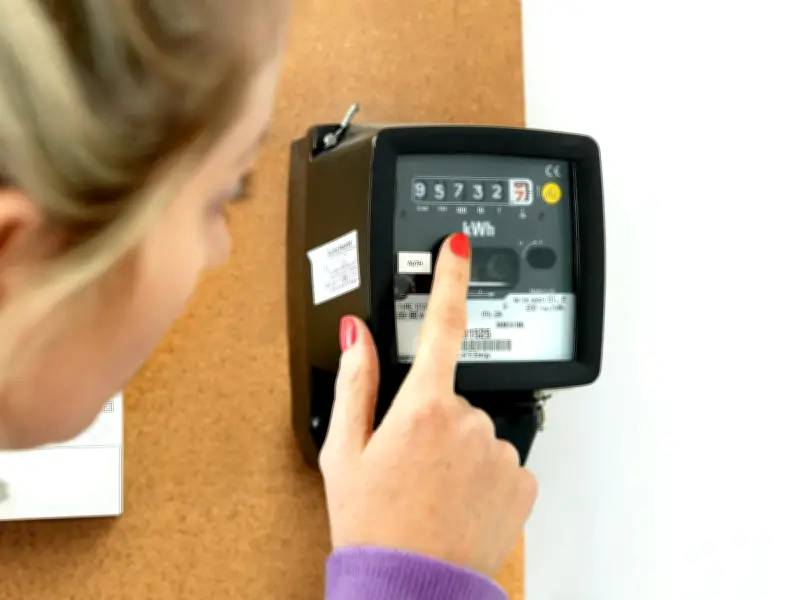
Millions of households are being urged to take a meter reading on June 30 to ensure accurate billing ahead of the energy price cap increase taking effect from July 1. The Ofgem price cap for a typical home paying by direct debit is rising from £1,641 to £1,862 per year.
Consumers on variable energy tariffs are covered by the price cap. Taking a meter reading near the date of the cap change helps avoid being charged higher rates for energy used before the adjustment.
Smart Meter Exemption and Expert Advice
Households with smart meters do not need to submit readings, as these meters automatically send regular usage data to suppliers.

Gareth Kloet, energy expert at Go.Compare, said: “The extra cost of a single load of washing or one oven cycle may only be a few pence, but households use energy constantly and across lots of different appliances. That is why taking a meter reading on 30 June is so important. It helps make sure your supplier has an accurate record of the energy you used before the new, higher rates come in, rather than estimating your usage and potentially applying the wrong rate to part of your bill.”
Future Price Cap Outlook
The price cap will remain in place until October, when it will be updated again. Energy analysts expect bills to remain high during winter. Cornwall Insight forecasts a typical household bill of £1,849 from October, which will hit harder as people switch heating back on.
Dr Craig Lowrey, principal consultant at Cornwall Insight, said: “The Iran ceasefire gave the markets some breathing room but this is a pause, not a resolution to the conflict. What comes out of the final agreement, if there is one, will matter enormously for energy prices. And even in the best-case scenario, the enduring effects from the conflict will be with us for a while. Infrastructure takes time to repair, supply chains take time to recover and households will be left dealing with the consequences for some time.”
Political Pressure for Long-Term Solutions
Dr Lowrey added: “October bills always hit harder than July’s because people are turning their heating on again and this year that coincides with a difficult geopolitical backdrop. The new Prime Minister will face real pressure to act on support for vulnerable households but the harder question is what comes after that – currently we are in a perpetual cycle of global shocks, high bills and short-term fixes. More permanent measures like social tariffs, moving levies into general taxation, or removing VAT on energy bills would take some of the pressure off bill-payers but there is no firm steer that these options are being actively pursued by Government at the moment.”
Ofgem will announce the price cap for October on or by August 26.