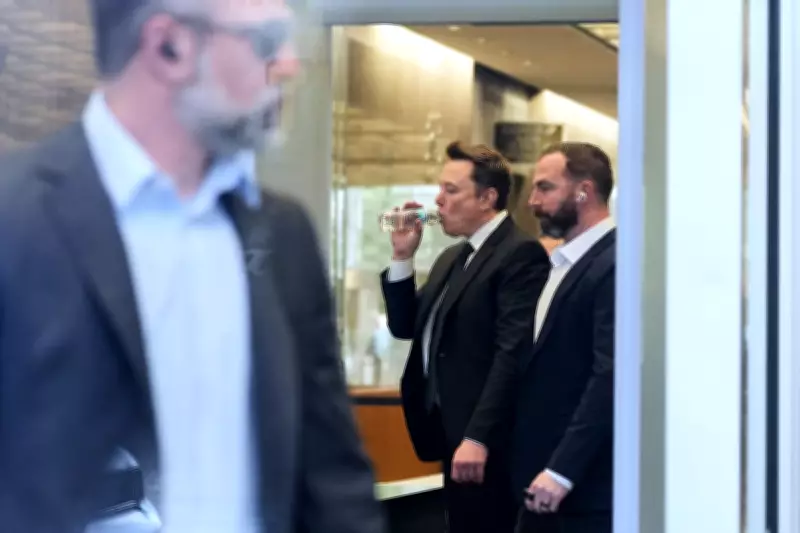
Elon Musk has continued to vigorously defend his actions during the months preceding his 2022 acquisition of Twitter, now rebranded as X, in a high-stakes civil trial unfolding in San Francisco. The billionaire entrepreneur faced questioning in court on Thursday as part of a class-action lawsuit that accuses him of misleading investors and triggering significant financial losses through a series of calculated moves designed to depress Twitter's stock price.
Lawsuit Alleges Securities Law Violations
The legal battle centres on allegations that Musk violated federal securities laws while orchestrating steps to drive down Twitter's share value, potentially to either abandon the deal or negotiate a lower purchase price. The lawsuit represents Twitter shareholders who sold their stock between May 13 and October 4, 2022, just before Musk finalised his $44 billion acquisition of the social media platform at $54.20 per share.
Bot Numbers Take Centre Stage
During his testimony, Musk doubled down on his longstanding assertion that Twitter harboured a substantially higher number of fake and spam accounts than the 5% figure disclosed in regulatory filings. "Saying the bot number was at least this high was like saying the grass is green or the sky is blue," Musk declared, referencing analyst estimates suggesting the actual figure could be 20% or more.

The issue of bots and fake accounts was not novel when Musk negotiated the acquisition. Twitter had previously paid $809.5 million in 2021 to settle claims it had overstated its growth rate and monthly user metrics. For years, the company had reported its bot estimates to the Securities and Exchange Commission while cautioning that these figures might be conservative.
Contradictory Testimony Emerges
Following Musk's brief appearance on the stand, testimony shifted to expert witnesses and Twitter's former CEO, Ned Segal. Much of Thursday's proceedings focused on the disputed 5% spam account metric. When questioned about whether Twitter had ever filed false SEC documents misstating its spam numbers, Segal firmly denied any wrongdoing.
Segal revealed that Twitter had once restated its finances after discovering an error in its daily user calculations. In 2017, the company acknowledged it had been inadvertently overstating monthly user numbers by including users from a third-party application. Regarding the 5% spam account rate, Segal countered that the actual figure was closer to 1%, directly contradicting Musk's Wednesday assertion that Twitter had "lied" about bot numbers on its platform.
The trial continues to examine whether Musk's public statements about Twitter's bot problems constituted deliberate market manipulation or legitimate concerns about platform integrity. With millions of dollars in potential damages at stake, the outcome could establish significant precedents for how corporate leaders communicate during major acquisition negotiations.