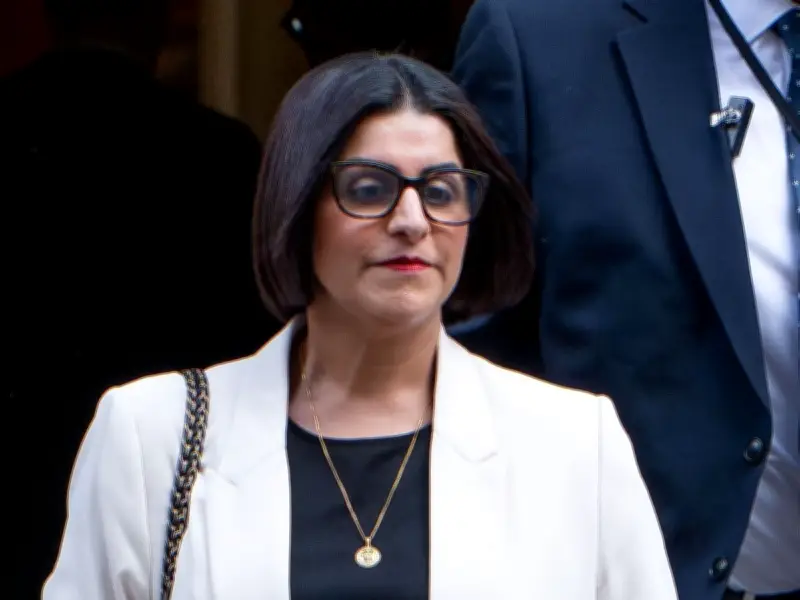
Home Secretary Shabana Mahmood has announced plans to introduce a £10,000 flat-rate charge for asylum seekers to cover the cost of their accommodation and support while their claims are processed. The measure is part of the Immigration and Asylum Bill, which she will present to Parliament on Tuesday.
Details of the Charge
Under the proposed legislation, asylum seekers will be required to pay a means-tested sum of £10,000 before they can be granted full settlement rights. The charge is intended to recover costs associated with housing and supporting individuals during the asylum process. The Home Office expects that payments will be made monthly until the debt is cleared, and officials are exploring mechanisms to use the tax and benefits system to recover the sum. Migrants who leave the UK will need to pay the full amount if they wish to return in the future.
Government Justification
Mahmood stated: “The cost of asylum accommodation on the British taxpayer is too high. We have already reduced asylum costs by £1billion, but it is also right that we ask those who can contribute to do so. Receiving asylum support is a right, but it is also a responsibility. Once people can contribute and repay the generosity of the British people, we expect them to do so.” The Home Office notes that a quarter of working-age people granted asylum find work in the same calendar year, rising to 50% within two years, and over a third earn over £23,000 within eight years.

Criticism from Charities
Charities have condemned the proposal. Zoe Dexter, housing and welfare manager at the Helen Bamber Foundation, said: “This proposal is simply more performative cruelty from the government. These are people who have fled persecution and extreme violence, often arriving with nothing, before spending months or years in overcrowded, dilapidated accommodation, sometimes facing intimidation and violent protests outside the places they are housed. Burdening them with debt just as they begin rebuilding their lives is grossly unjust and entirely self-defeating.” Imran Hussain, director of external affairs at the Refugee Council, added: “The reason why many need asylum support is because the Home Office itself bans asylum seekers from working while their claims are being assessed. Asylum support is only given to people who are at risk of being destitute, so this new financial burden would only harm those who arrive on our shores with nothing.”
Broader Reforms
The Immigration and Asylum Bill also includes the creation of a new Independent Immigration Appeals Authority (IIAA), which will take over appeal decisions from judges. Mahmood said the appeals tribunal system is currently overwhelmed, and changes will prevent people “gaming the system.” Additionally, a new safe route will allow employers to sponsor refugees coming to the UK. The Home Secretary stated: “I will open new legal routes for genuine refugees, while closing loopholes that have been too often abused. My goal is simple: to ensure we have an asylum system not just today, but for generations to come.”
Accommodation Changes
Last week, the Home Office announced plans to increase the use of ex-military barracks for housing asylum seekers, including MOD Bicester in Oxfordshire, RAF Barnham in Suffolk, and RAF Linton-on-Ouse in North Yorkshire. Ministers also plan to extend the use of existing sites in Crowborough until 2030 and Wethersfield beyond 2027.