Beyond Meat Rebrands as 'Beyond' in Strategic Pivot to Plant-Based Beverages and Snacks
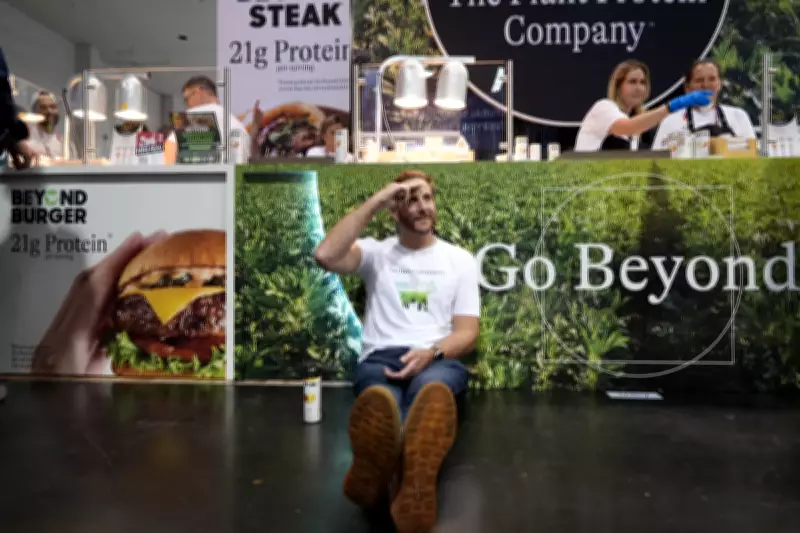
In a significant strategic shift, Beyond Meat is officially dropping the word "meat" from its name as it moves beyond the struggling market for plant-based burgers, sausages, and tenders. The company is now rebranded as Beyond The Plant Protein Co., or simply Beyond on its packaging, with its website and social media channels updated this week to reflect the change.
Expanding into New Categories Amid Market Challenges
This rebranding comes as Beyond expands into new product categories like protein drinks and snacks. The company introduced its first beverage, a sparkling protein drink called Beyond Immerse, in January 2026 and plans to release a protein bar this summer. This refresh could be critical for the brand, as U.S. sales of plant-based meat alternatives have been flagging, dragging Beyond down with them.
The company's net revenue dropped 14% in the first nine months of 2025, and its shares have been trading below $1 since the start of this year. According to data from NIQ, U.S. retail sales of plant-based meat have plummeted 26% over the last two years after peaking in 2020.

CEO Ethan Brown on Reshaping the Company
"For me, it is an opportunity to reshape the company around very real food that is directly from plants," said Beyond President and CEO Ethan Brown, who founded the company in 2009. "It's about delivering all those benefits of the plant kingdom to the consumer in ways that they're going to be able to easily integrate into their lives."
Brown emphasized that Beyond wants to "celebrate the realness" of its products and its simplified ingredients. The company will increasingly focus on products that showcase plants, like chickpea sausages or faba bean strips, moving away from the heavy reliance on texturizers and unfamiliar ingredients that have plagued the plant-based meat sector.
Industry-Wide Shift Towards Simpler Plant-Based Products
Beyond is not alone in this pivot. Consumer demand for protein is skyrocketing, and several companies are scrambling to serve up more plant-based options. Eat Just, which makes plant-based eggs, introduced a protein powder made with mung beans last spring. In January 2026, Impossible Foods announced a partnership with Equii Foods to develop protein-packed breads and pastas. Silk, a plant-based dairy brand, also unveiled a protein drink in January.
Chris Costagli, a food thought leader at NIQ, noted that plant-based brands have struggled in recent years as customers scrutinized their labels and found unfamiliar ingredients, added sugars, or high sodium content. "There's a lot of fillers and gums and texturizers and things that give those products a more familiar feel," Costagli said. "I think as people have been paying closer and closer attention to what they're actually ingesting, it's causing some products to stumble."
Beyond's Product Reformulation and Future Plans
Costagli added that reformulating products to make them simpler and healthier has helped some brands in the plant-based dairy market, and he believes new products and recipes could also boost plant-based meats. That's precisely what Beyond is betting on. In 2024, it revamped its flagship burger to make it healthier. Last summer, it introduced Beyond Ground, which contains just four ingredients – faba bean protein, potato protein, psyllium husk, and water – and doesn't have the word "meat" on its packaging.
For now, new products like Beyond Ground and Beyond Immerse are only available online through a website the company has dubbed Beyond Test Kitchen. Brown said the company wants to innovate and collect feedback quickly but will eventually put its products in stores.
Continued Commitment to Plant-Based Meat and Global Markets
Despite the rebranding, El Segundo, California-based Beyond will continue to make plant-based burgers, chicken, and other products designed to mimic meat. These remain popular in Europe, where Beyond's burgers and nuggets are found on McDonald's menus. Brown still believes plant-based meat will be a "much more dominant choice" over the next decade or two, but the company has to navigate what he calls "a period of confusion."

"It's just not the moment for plant-based meat right now," he said, highlighting the need for strategic adaptation. Brown hopes that the new products will lead customers back to its plant-based meats, fostering a broader appreciation for plant-based nutrition.
"Hopefully, at some point people will say, 'Wait a minute, how did we get here, where protein taken from red lentils, peas and brown rice and oil taken from avocado and mixed together into a burger is somehow not good for you?'" Brown remarked, underscoring his vision for a future where plant-based foods are celebrated for their simplicity and health benefits.