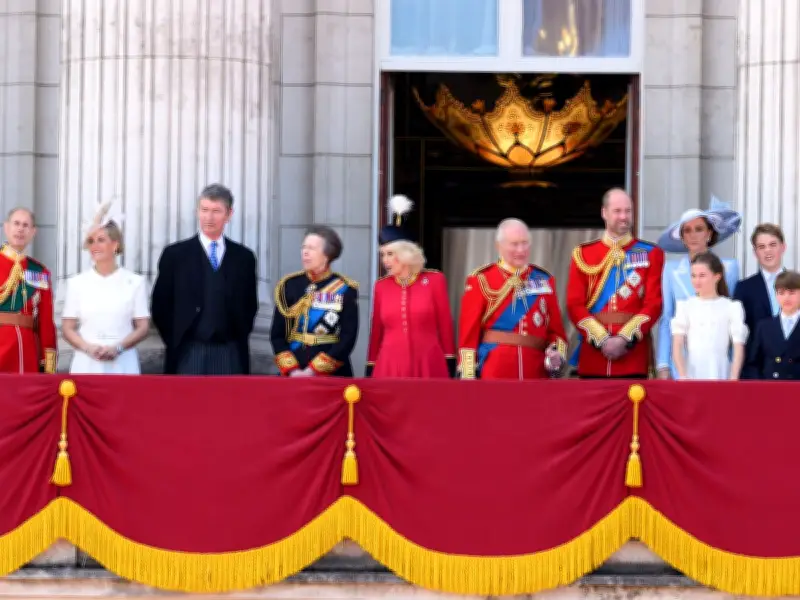
King Charles III has made history by becoming the first British monarch to voluntarily disclose his personal tax payments to HM Revenue and Customs, revealing he was among the country’s top 100 taxpayers in the 2024-25 financial year. The unprecedented move aims to enhance transparency and accessibility around royal finances, following years of resistance when he was Prince of Wales.
Tax Payments and Private Income
Since ascending the throne in September 2022 after the death of Queen Elizabeth II, King Charles has paid more than £30 million in tax. In 2024-25 alone, his tax bill amounted to £12.9 million. The King voluntarily pays income tax on all his private income, capital gains tax on relevant assets, and inheritance tax under arrangements agreed by the late Queen in 1993.
The Prince of Wales, William, also disclosed his tax payments for the first time since inheriting the Duchy of Cornwall, with a personal tax bill of £7.76 million for 2024-25. Since becoming Prince of Wales, William has paid over £20 million in tax. His annual private income from the Duchy of Cornwall estate was £21.6 million, down from £22.9 million the previous year.

Sovereign Grant Increase
The core funding of the monarchy, known as the Sovereign Grant, is set to jump to £99.9 million in 2027-28, nearly doubling from £51.8 million in 2024-25. This increase is based on a new formula using 20.5% of the Crown Estate’s profits, which reached £487 million. The total taxpayer-funded Sovereign Grant for 2025-26 is £132.1 million, up from £86.3 million the previous year, thanks to profits from Crown Estate wind farm deals.
The change was decided by Royal Trustees: outgoing Prime Minister Sir Keir Starmer, Chancellor Rachel Reeves, and the King’s Keeper of the Privy Purse and Treasurer James Chalmers. The boost will address a backlog in maintenance at occupied royal palaces, strengthen cybersecurity at royal residences, and install energy-efficient heating systems, with £11 million earmarked to replace boilers at Windsor Castle.
A temporary decade-long uplift to the Sovereign Grant was introduced in 2017 to fund the £369 million overhaul of Buckingham Palace. The refurbishments are due to end in 2027, when the overall grant will fall from £137.9 million in 2026-27 (including both core and renovation funds) to a core funding of £99.9 million in 2027-28.
Key Financial Figures
Official net expenditure by the monarchy rose to £117.2 million in 2024-25, up from £85.2 million the previous year. Property maintenance costs surged to £67.5 million from £41.2 million. Official royal travel costs increased to £5.1 million from £4.7 million, including 177 helicopter journeys costing £733,063 (less than £20,000 each). The most expensive journey was William’s official visit to Saudi Arabia on a charter flight, costing £130,106, while the King and Queen’s state visit to Rome cost £126,946.
The King’s private income from the Duchy of Lancaster estate rose to £25.2 million from £24.4 million. Rental income from properties let to non-working royals, including Princesses Beatrice and Eugenie, totaled £3.9 million. Housekeeping and hospitality costs increased to £3.5 million from £3.2 million, and the staff wage bill rose to £33.7 million from £29.9 million.
The King and Queen carried out 708 public engagements across the UK in 2024-25, an increase of 104. More than 97,000 guests attended events at official royal palaces. The proportion of staff from ethnic minority backgrounds working for Buckingham Palace reached 12%, still 2% short of the 14% target by December 2025. Income earned to supplement the Sovereign Grant was £21.3 million, slightly down from £21.5 million the previous year.